9 Cool Ways How to Design a Shade Garden
Damp earth releases a distinct petrichor as actinobacteria break down organic matter in the cool, low-light corners of the landscape. Success in these environments depends on maintaining high turgor pressure in broad-leaved species that must maximize limited photon capture. Understanding how to design a shade garden requires a shift from solar-driven growth models to a focus on soil respiration and moisture management. You are not fighting the darkness; you are managing the specific metabolic rates of plants adapted to low irradiance.
The fundamental challenge of a shade garden is the reduced rate of photosynthesis. When light intensity drops below 500 foot-candles, plants must compensate by increasing chlorophyll density or expanding leaf surface area. This physiological adaptation makes them highly sensitive to transpiration rates and soil chemistry. A successful design integrates structural layers that mimic a forest floor, utilizing the vertical space to manage airflow and prevent fungal colonization. By focusing on the chemical composition of the rhizosphere and the physical properties of the substrate, you can create a high-performance ecosystem that thrives where traditional turf and sun-loving perennials fail.
Materials:
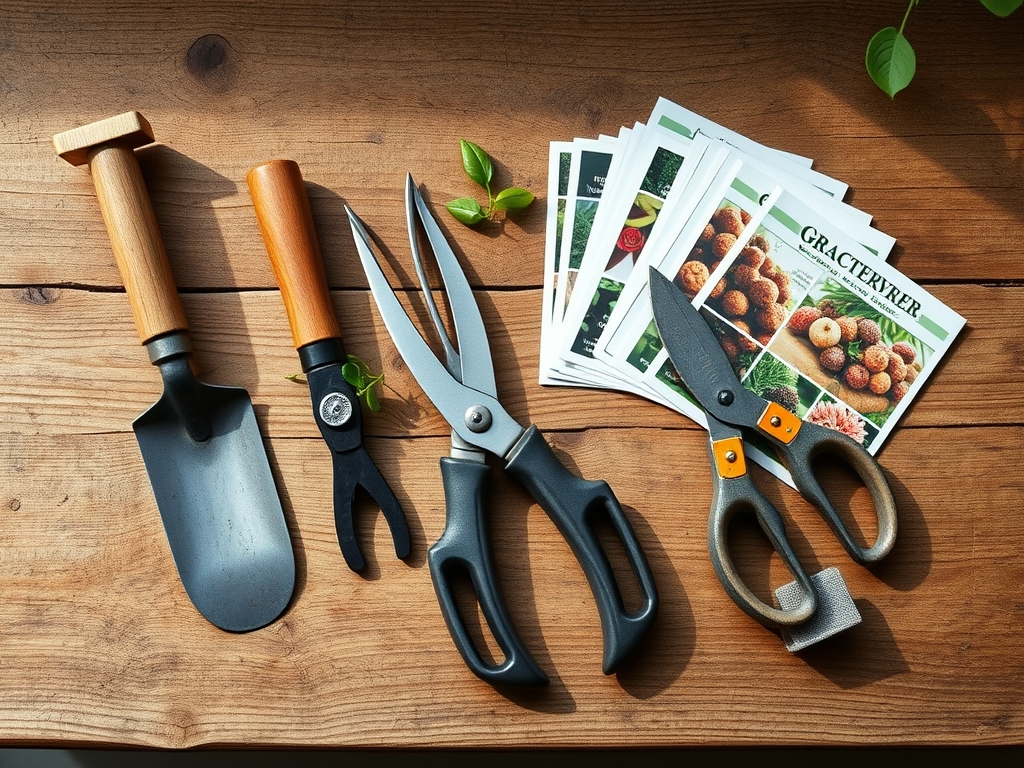
Shade-dwelling species generally prefer a pH range between 5.5 and 6.5. This acidity ensures that micronutrients like iron and manganese remain bioavailable. The substrate must be a friable loam with at least 5% to 8% organic matter to support a high Cation Exchange Capacity (CEC). This allows the soil to hold onto positively charged ions like Calcium (Ca2+) and Magnesium (Mg2+).
For initial soil amendment, utilize a balanced NPK ratio of 10-10-10 for general establishment. However, for established shade perennials like Hosta or Heuchera, a transition to a 5-10-10 formula is preferred to prioritize root development and cellular integrity over rapid, weak vegetative growth. Ensure you have pine bark fines or leaf mold to improve the physical structure. These materials increase the macropore space, allowing for essential gas exchange in the root zone. High-density clay soils must be amended with expanded shale or coarse sand to prevent anaerobic conditions that lead to root rot.
Timing:
Most shade-loving perennials are hardy in USDA Zones 3 through 9, but their biological clock is governed by soil temperature and photoperiod. Planting should occur when soil temperatures reach a consistent 55 degrees Fahrenheit. In the spring, this usually falls between the last frost date and the onset of summer heat.
The transition from vegetative to reproductive stages in shade plants is often triggered by the cooling temperatures of autumn or the increasing day length of spring. For example, many woodland ephemerals complete their entire life cycle before the forest canopy closes. If you are designing with these species, your window for installation is narrow; they must be in the ground 4 to 6 weeks before the first hard freeze to allow for root initiation. This timing ensures the plant can establish a sufficient carbohydrate reserve in its rhizomes or bulbs before winter senescence.
Phases:

Sowing and Propagation
Direct sowing in shade is often inefficient due to slower germination rates in cool soil. Start seeds in a controlled environment at 70 degrees Fahrenheit. Use a sterile, peat-based starting mix with a 0.5-inch depth for larger seeds. Once the first set of true leaves appears, reduce ambient humidity to harden the cuticle.
Pro-Tip: Monitor for phototropism, where seedlings lean toward light sources. This is caused by the elongation of cells on the shaded side of the stem due to auxin accumulation. Rotating trays 180 degrees daily ensures straight, structurally sound stems.
Transplanting
When moving plants into the shade garden, dig a hole twice as wide as the root ball but no deeper. Ensure the crown sits exactly at the soil line. Deep planting smothers the crown and invites pathogens, while shallow planting leads to desiccation of the upper root mass.
Pro-Tip: Inoculate the planting hole with endomycorrhizal fungi. This biological symbiosis expands the root system's surface area by up to 1,000 times, significantly increasing the plant's ability to uptake phosphorus and water in competitive environments.
Establishing
The first 365 days are critical for establishment. Apply a 2-inch layer of organic mulch to regulate soil temperature and suppress weed competition. Maintain consistent moisture levels, ensuring the soil feels like a wrung-out sponge at a 3-inch depth.
Pro-Tip: Avoid high-nitrogen fertilizers during the first two months. High nitrogen levels can cause auxin suppression in the roots, favoring leaf growth before the root system can support the increased transpirational demand.
The Clinic:
Physiological disorders in shade gardens often stem from poor drainage or light starvation.
Symptom: Interveinal Chlorosis
Yellowing between leaf veins while veins remain green indicates a Manganese or Iron deficiency. This is common when soil pH rises above 7.0.
Solution: Lower the pH by applying elemental sulfur at a rate of 5 lbs per 1,000 square feet and use a chelated iron foliar spray for immediate relief.
Symptom: Edema
Small, corky bumps on the undersides of leaves. This occurs when the plant absorbs water faster than it can transpire it.
Solution: Improve air circulation by thinning the overhead canopy and reducing irrigation frequency during high-humidity periods.
Symptom: Nitrogen Chlorosis
General paling of the entire leaf, starting with older growth.
Fix-It: Apply a quick-release water-soluble fertilizer with a 20-20-20 ratio to restore nitrogen levels, followed by a top-dressing of composted manure for long-term nitrogen availability.
Maintenance:
Precision is the hallmark of a professional shade garden. Use a soil moisture meter to ensure the root zone remains between 40% and 60% field capacity. Most shade gardens require 1.5 inches of water per week, delivered at the drip line to avoid wetting the foliage, which invites fungal spores.
Pruning should be performed with sharpened bypass pruners to ensure clean vascular cuts that heal quickly. Use a hori-hori knife for weeding and dividing perennials; its serrated edge easily cuts through dense rhizomes. In the spring, remove dead biomass before new growth emerges to prevent the carryover of pathogens like Botrytis. Every three years, divide clump-forming plants to prevent center-dieback and maintain vigorous growth.
The Yield:
If your shade garden includes woodland edibles like ramps or shade-tolerant herbs like mint and chervil, harvest timing is essential. Harvest early in the morning when cell turgidity is at its peak. Use a sharp knife to take no more than 30% of the plant's biomass at one time.
Post-harvest, submerge greens in 40-degree Fahrenheit water to remove field heat and maintain crispness. For flowers like Astilbe or Hellebores, cut the stems at a 45-degree angle and place them immediately into a solution of water and a floral preservative containing sucrose and a biocide to prevent vascular clogging.
FAQ:
How much light is considered "partial shade"?
Partial shade is defined as 3 to 6 hours of direct sunlight per day. In these conditions, plants receive between 1,000 and 2,500 foot-candles of light. Morning sun is preferable as it is less thermally stressful than afternoon sun.
Can I grow vegetables in a shade garden?
Leafy greens like spinach, kale, and lettuce can thrive with as little as 3 to 4 hours of sun. However, fruiting crops like tomatoes require at least 6 to 8 hours to drive the energy-intensive process of fruit production.
What is the best mulch for shade?
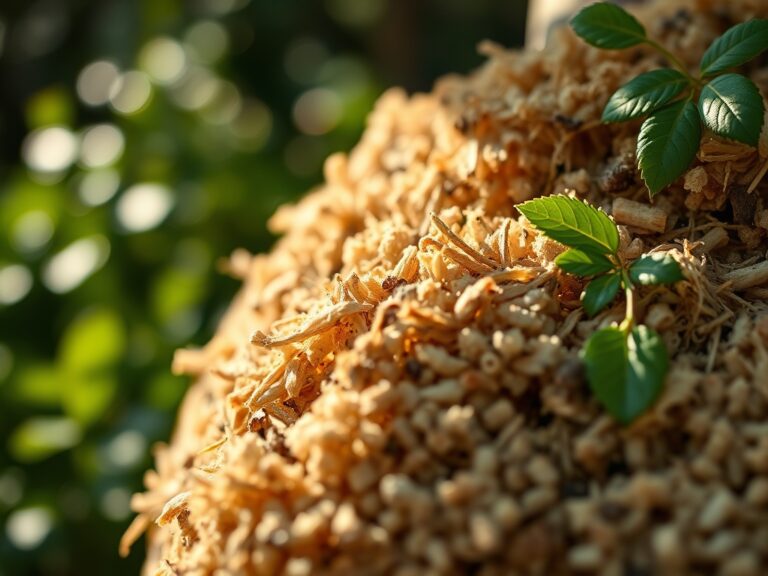
Finely shredded pine bark or leaf mold is ideal. These materials decompose at a rate that mimics the natural forest floor, consistently adding organic matter and maintaining the acidic pH levels that most shade-loving species require for nutrient uptake.
Why are my shade plants leggy?
Legginess, or etiolation, is a response to insufficient light. The plant elongates its internodes to "reach" for a light source. To fix this, increase light penetration by pruning overhanging tree limbs or moving the plant to a brighter location.
How do I handle dry shade under large trees?
Dry shade is the most difficult environment. Trees create a "rain shadow" and compete for nutrients. Use drip irrigation and add 3 inches of compost annually to compensate for the intense competition within the shared rhizosphere.