7 Best Hosta Varieties for Shade
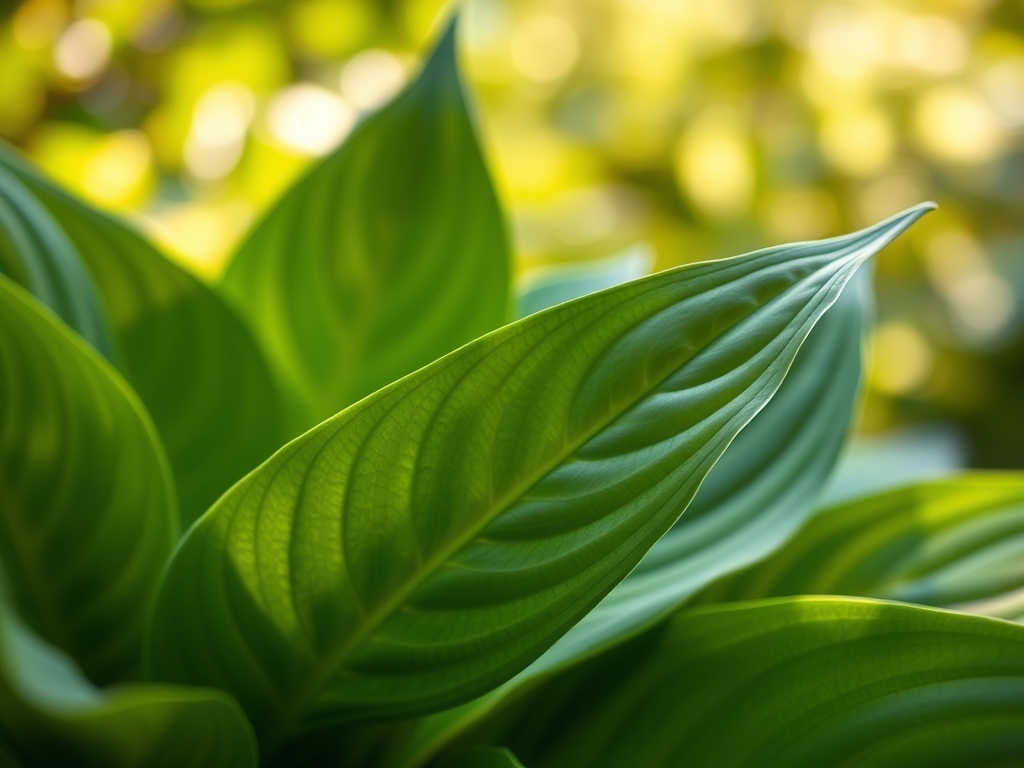
Damp earth carries the scent of geosmin and decomposing organic matter when you peel back the mulch layer in a deep shade garden. A healthy Hosta leaf exhibits high turgor pressure; it feels cool, firm, and resilient to the touch. Selecting the best hosta varieties for shade requires an understanding of light compensation points and the specific physiological needs of the genus Hosta. These perennials thrive where photosynthetically active radiation is limited, converting minimal light into massive foliar biomass.
The success of a shade planting depends on the structural integrity of the rhizosphere. Hostas are not merely passive survivors of low light; they are aggressive nutrient recyclers that demand specific soil chemistry to maintain their structural pigments. In the following sections, we will analyze the technical requirements for establishing a high-performance shade border using the most robust cultivars available to the modern horticulturist.
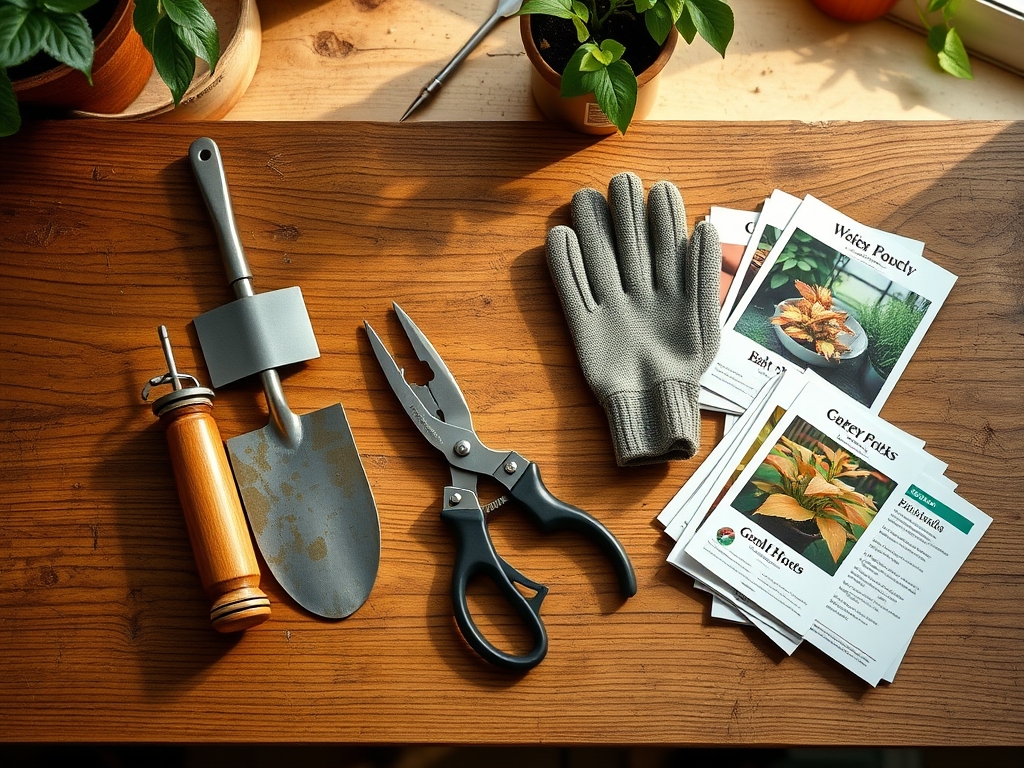
Materials:
The ideal substrate for the best hosta varieties for shade is a friable loam with a high percentage of organic matter. The physical texture must allow for rapid gas exchange while maintaining consistent moisture.
- Soil pH: Maintain a range between 6.5 and 7.3. Hostas are sensitive to extreme acidity, which can lock out essential cations.
- Cation Exchange Capacity (CEC): Aim for a CEC rating above 15 meq/100g to ensure the soil can hold onto ammonium, potassium, and calcium ions.
- Nutrient Ratios (NPK):
- Establishment Phase: Use a 10-10-10 balanced fertilizer to support root architecture and leaf expansion.
- Maintenance Phase: Transition to a 15-5-10 ratio. High nitrogen levels are required to support the massive surface area of the foliage.
- Mulch: Apply 2 to 3 inches of composted pine bark or leaf mold to regulate soil temperature and suppress competitive weed germination.
Timing:
Hostas are hardy across USDA Zones 3 through 9. Their biological clock is governed by vernalization; the plants require a dormant period of at least 40 days below 40 degrees Fahrenheit to reset their growth cycle.
The transition from the vegetative stage to the reproductive stage (flowering) typically occurs in mid to late summer. This shift is triggered by the photoperiod and accumulated heat units. Planting should occur in early spring as the "pips" (dormant buds) begin to break the soil surface, or in early autumn at least 30 days before the first hard frost. This allows the root system to establish before the plant enters senescence.
Phases:

Sowing and Selection
While hostas can be grown from seed, they do not come true to type. For the best hosta varieties for shade, utilize vegetative divisions or tissue-cultured starts. Select cultivars based on leaf thickness (substance).
- Empress Wu: Massive green leaves; requires significant space.
- June: Exceptional gold center with blue-green margins.
- Blue Angel: High pruinose wax coating for deep blue color.
- Sum and Substance: Chartreuse foliage that can handle filtered sun.
- Halcyon: Slow growing but holds blue pigment late into the season.
- Patriot: High contrast white margins; excellent for dark corners.
- Guacamole: Fragrant flowers and rapid growth rate.
Pro-Tip: Thicker leaves have a higher "substance" rating. This is a biological defense; high cellulose content in the cell walls makes the plant less palatable to gastropods and increases drought resistance.
Transplanting
Dig a hole twice as wide as the root ball but no deeper. Ensure the crown is level with the soil surface.
Pro-Tip: Inoculate the planting hole with endomycorrhizal fungi. This symbiotic relationship expands the root surface area by up to 1,000 times, significantly increasing phosphorus uptake and water absorption.
Establishing
During the first growing season, the plant focuses on root expansion. Maintain consistent moisture levels to prevent leaf scorch.
Pro-Tip: Avoid overhead irrigation. Water at the base to prevent the removal of the pruinose wax coating. This wax is a biological UV filter and moisture barrier; once it is stripped by mechanical force or chemicals, the leaf loses its "blue" appearance and becomes susceptible to desiccation.
The Clinic:
Physiological disorders in hostas often manifest in the foliage.
- Symptom: Interveinal chlorosis (yellowing between green veins).
- Solution: This indicates a Magnesium deficiency. Apply Epsom salts (magnesium sulfate) at a rate of 1 tablespoon per gallon of water.
- Symptom: Marginal necrosis (brown, crispy edges).
- Solution: This is typically "Scortch" caused by low humidity or excessive solar radiation. Increase irrigation or provide more shade.
- Symptom: Stunting and distorted leaf shape.
- Solution: Check for Hosta Virus X (HVX). There is no cure. The plant must be removed and destroyed to prevent sap-borne transmission via garden tools.
- Fix-It: Nitrogen Chlorosis: If the entire leaf turns pale green or yellow, the plant lacks nitrogen. Apply a liquid 20-20-20 fertilizer for immediate uptake through the roots.
Maintenance:
Precision is required for peak performance. Use a soil moisture meter to ensure the rhizosphere remains at 60% to 80% field capacity. Hostas require approximately 1.5 inches of water per week delivered at the drip line.
Use a hori-hori knife for precision weeding and to slice through tough root mats during division. When removing spent flower scapes or damaged leaves, use bypass pruners to ensure clean cuts that callus over quickly. Sanitize tools with 70% isopropyl alcohol between plants to prevent the spread of pathogens. In late autumn, once the foliage has turned yellow and collapsed (senescence), remove the debris to prevent overwintering sites for pathogens.
The Yield:
While hostas are primarily ornamental, their "yield" is measured in the quality of their divisions and the longevity of their foliage. For floral arrangements, harvest flower scapes when the first two bells have opened. Cut at a 45-degree angle and immediately submerge in 110-degree Fahrenheit water to maximize vascular uptake. This technique ensures "day-one" freshness for up to 10 days in a vase. For propagation, divide the plant every 3 to 5 years by slicing through the crown, ensuring each division has at least three pips and a robust root mass.
FAQ:
How much sun can shade hostas actually handle?
Most varieties prefer 2 to 4 hours of dappled morning sun. Blue varieties require deep shade to preserve their wax coating. Yellow and chartreuse varieties, like Sum and Substance, can tolerate more light, which intensifies their golden pigmentation.
Why are my hosta leaves turning thin and translucent?
This is often caused by excessive heat or water stress. When the transpiration rate exceeds the roots' ability to provide water, the plant loses turgor. Ensure consistent moisture and apply mulch to keep the root zone cool.
What is the best fertilizer for hostas in spring?
A granular, slow-release 10-10-10 or 14-14-14 NPK fertilizer is ideal. Apply it just as the pips emerge. This provides a steady supply of nutrients as the plant undergoes its rapid spring growth surge.
Can hostas grow in heavy clay soil?
Yes, but they require modification. Incorporate 30% organic matter to improve aeration. While hostas like moisture, they cannot survive in anaerobic, waterlogged conditions which lead to crown rot. Aim for a balance of drainage and retention.