10 Best Climbing Vines for Arches
The smell of damp earth and the tactile turgor of a healthy leaf define the success of a vertical landscape. Selecting the best climbing vines for arches requires more than aesthetic preference; it demands an understanding of structural load and vascular efficiency. A mature vine can weigh over 200 pounds when saturated with rainwater. This weight exerts massive mechanical stress on the archway. Choosing species like Clematis, Wisteria, or Lonicera ensures the plant utilizes its natural climbing mechanisms, such as twiners or tendrils, to distribute this weight evenly across the support.
Success begins at the rhizosphere. The root zone must maintain a high cation exchange capacity (CEC) to facilitate the uptake of essential macronutrients. When a vine is properly established, its cellular structure exhibits high osmotic pressure, allowing water to travel against gravity through the xylem to heights exceeding 15 feet. Failure to select the correct species for your specific microclimate results in stunted internode elongation and poor floral density. This guide provides the technical framework for selecting, planting, and maintaining the best climbing vines for arches to ensure long term structural integrity and physiological health.
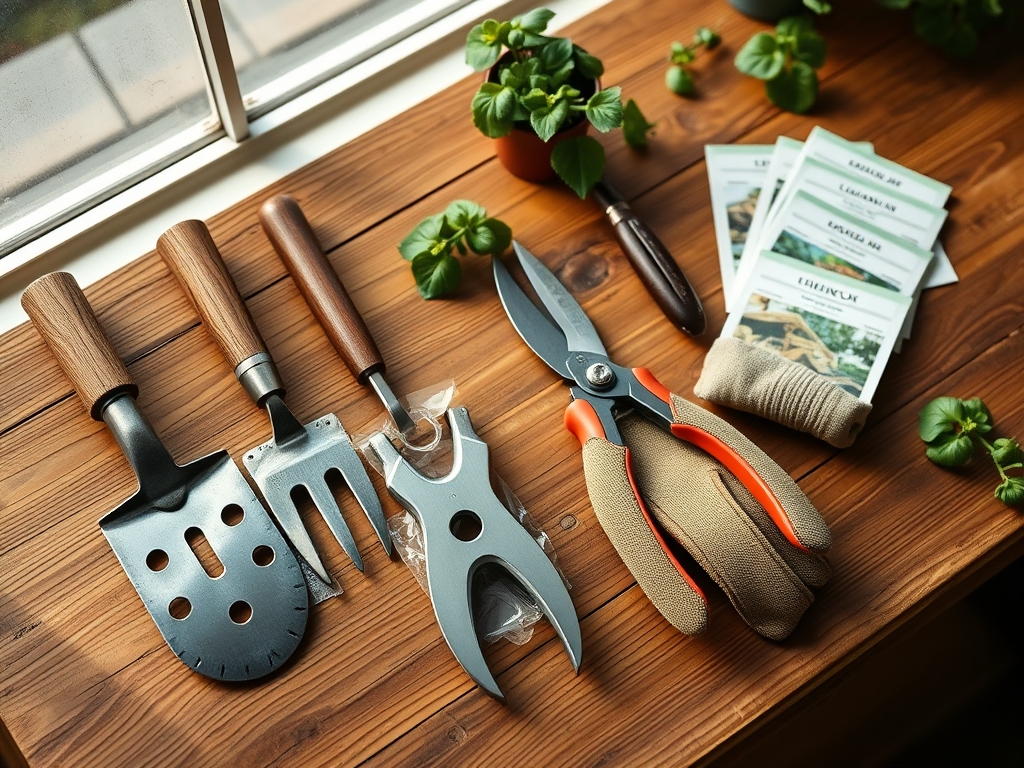
Materials:
The substrate must be a **friable loam** with a composition of approximately 40 percent sand, 40 percent silt, and 20 percent clay. This ratio ensures adequate pore space for oxygen diffusion while maintaining water retention.
For heavy bloomers like Clematis or Climbing Roses, the soil pH must be maintained between 6.0 and 7.0. Use a digital pH meter to verify levels before planting. Nutrient requirements vary by growth stage:
- Establishment Phase: Use a high phosphorus fertilizer with an NPK ratio of 10-30-10 to stimulate vigorous root architecture.
- Vegetative Phase: Transition to a balanced 10-10-10 formula to support leaf canopy development.
- Reproductive Phase: Apply a potassium-rich 5-10-15 blend to enhance floral pigmentation and cellular strength.
Incorporate organic matter to increase the CEC, allowing the soil to hold onto positively charged ions like Calcium (Ca2+) and Magnesium (Mg2+). Avoid heavy clay which leads to anaerobic conditions and root rot.
Timing:
Hardiness zones determine the survival threshold of your vines. Most perennial climbers for arches thrive in USDA Zones 4 through 9. Planting should occur when soil temperatures reach a consistent 55 degrees Fahrenheit.
In northern latitudes, the window for planting opens approximately two weeks after the last spring frost. In southern regions, autumn planting is preferred to allow root establishment before the summer heat stress. The "Biological Clock" of the vine is governed by the photoperiod. As daylight hours increase, the plant moves from dormancy into the vegetative stage. Once the plant reaches a specific node count or encounters a change in light duration, it enters the reproductive stage. Disrupting this cycle through late-season pruning can trigger a flush of new growth that will be killed by the first frost, wasting the plant's stored carbohydrate reserves.
Phases:

Sowing and Seed Preparation
For annual vines like Ipomoea tricolor (Morning Glory), scarification of the seed coat is required to break dormancy. Use a small file to nick the outer layer, then soak in 75-degree water for 12 to 24 hours. This process facilitates imbibition, the first stage of germination.
Pro-Tip: Scarification mimics the natural degradation of the seed coat in the wild. This allows water to penetrate the embryo, triggering the release of gibberellic acid, which signals the seed to begin metabolizing stored starches.
Transplanting
Dig a hole twice as wide as the root ball but no deeper. For Clematis, plant the crown 2 inches below the soil surface to encourage dormant buds to sprout if the main stem is damaged. Ensure the roots are spread radially to prevent girdling.
Pro-Tip: Inoculate the planting hole with mycorrhizal fungi. This symbiotic relationship expands the root surface area by up to 100 times, significantly increasing the plant's ability to absorb phosphorus and water.
Establishing and Training
Secure the primary leaders to the arch using soft garden twine. Do not use wire, which can cause mechanical girdling as the stem diameter increases. Prune the terminal buds of young plants to encourage lateral branching.
Pro-Tip: This pruning technique utilizes auxin suppression. By removing the apical meristem (the tip), you stop the flow of auxins that inhibit lower buds. This forces the plant to grow bushier and cover the arch more densely.
The Clinic:
Physiological disorders often mimic disease but are usually caused by environmental stress or nutrient imbalances.
-
Symptom: Interveinal chlorosis (yellowing between green veins) on new leaves.
-
Solution: This indicates an Iron (Fe) deficiency, often caused by high soil pH. Apply chelated iron to the soil to lower pH and increase bioavailability.
-
Symptom: Necrosis (browning) at the leaf margins and weak stems.
-
Solution: This is a sign of Potassium (K) deficiency. Potassium regulates stomatal opening and closing. Apply a high-potassium liquid feed to restore turgor pressure.
-
Symptom: Powdery white residue on leaf surfaces.
-
Solution: Powdery mildew is a fungal issue caused by poor airflow. Thin the interior foliage using bypass pruners to increase light penetration and wind movement.
Fix-It Section: For general Nitrogen chlorosis (overall paling of the plant), apply a quick-release 20-0-0 fertilizer. Observe the plant for 7 days; if greening does not occur, check for root-knot nematodes which may be blocking nutrient transport.
Maintenance:
Precision is required for long term vine health. Provide 1.5 inches of water per week at the drip line. Avoid wetting the foliage to prevent fungal spores from germinating. Use a soil moisture meter to check the depth of hydration; the top 6 inches of soil should remain consistently moist but not saturated.
Keep your hori-hori knife sharp for removing invasive weeds that compete for nutrients in the rhizosphere. Annual pruning is mandatory. For Group 3 Clematis, cut the entire plant back to 12 inches above the ground in late winter. For Wisteria, prune side shoots back to 6 inches in summer to encourage the development of flowering spurs. Always use sterilized bypass pruners to make clean, 45-degree angle cuts that shed water and prevent rot.
The Yield:
If growing flowering vines like Lonicera (Honeysuckle) or Jasminum, harvest blooms when they are 50 percent open. This ensures the maximum concentration of essential oils and floral longevity. Use sharp snips to cut stems at a node. To maintain "day-one" freshness, immediately plunge the cut stems into 100-degree water and store in a cool, dark location for two hours before arranging. This "hardening off" process prevents air embolisms in the xylem, allowing the flower to remain turgid for several days.
FAQ:
What is the best vine for a shady arch?
Hydrangea anomala subsp. petiolaris (Climbing Hydrangea) is the superior choice for low-light environments. It utilizes adventitious roots to cling to structures and thrives in soil with a pH of 5.5 to 6.5.
How do I stop my vine from collapsing the arch?
Perform structural pruning twice annually. Remove at least 30 percent of the previous year's growth to reduce weight. Ensure the arch is anchored at least 24 inches deep in concrete footings to offset the wind load.
Why is my wisteria not blooming?
Wisteria often fails to bloom due to excess nitrogen, which promotes foliage over flowers. Stop nitrogen applications and prune the long green "runners" back to five or six buds in mid-summer to stimulate reproductive growth.
Can I grow two different vines on one arch?
Yes, provided they share similar moisture and pH requirements. Pairing a spring-blooming Clematis with a summer-blooming Lonicera ensures a continuous flowering period. Monitor for competition and prune to prevent one species from shading out the other.