8 Practical Ways How to Design a Kitchen Garden
Crushing a handful of damp, friable loam releases the sharp scent of geosmin; it is the smell of active microbial life. A healthy leaf possesses high turgor pressure, feeling crisp and firm rather than flaccid. To master how to design a kitchen garden, one must prioritize metabolic efficiency over aesthetics. The goal is a high-functioning ecosystem that converts solar energy and soil minerals into nutrient-dense biomass. Successful integration requires precise spatial planning and an uncompromising focus on the rhizosphere.
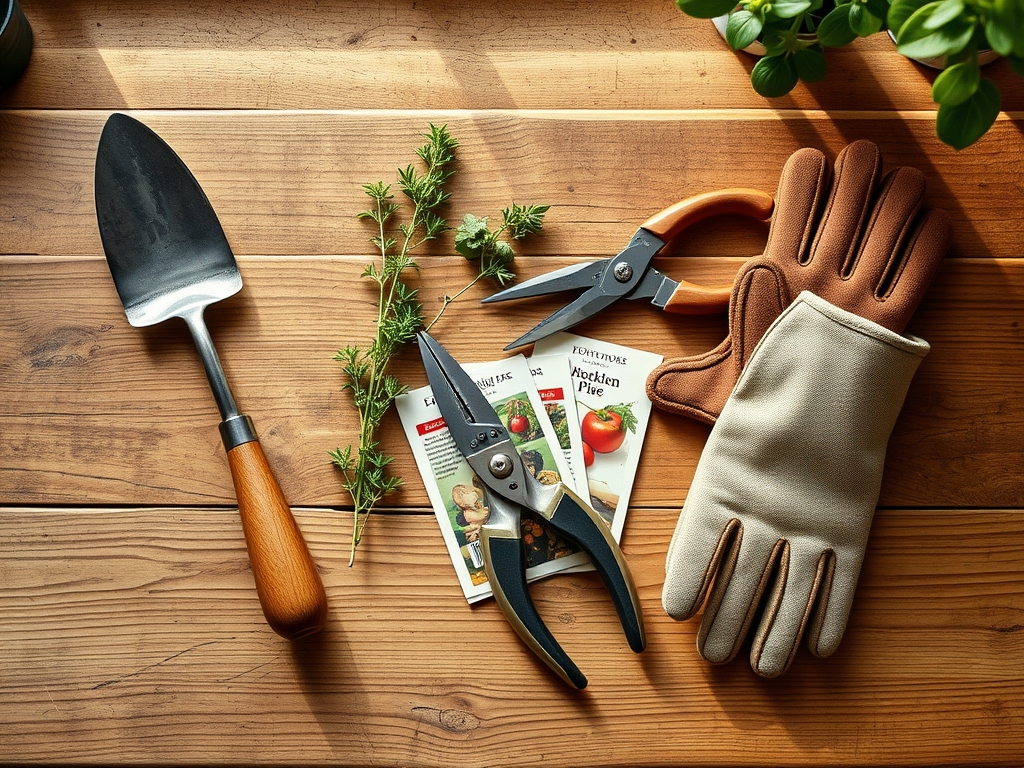
Materials:
The foundation of any kitchen garden is the substrate. For most culinary crops, aim for a soil pH between 6.2 and 6.8. This range ensures maximum bioavailability of macronutrients. The physical texture should be a friable loam, consisting of roughly 40 percent sand, 40 percent silt, and 20 percent clay. This balance provides a high Cation Exchange Capacity (CEC), allowing the soil to retain essential ions like potassium and magnesium.
Specific nutrient requirements vary by crop type, but a standard baseline involves:
- Nitrogen (N): Essential for vegetative growth. Maintain a ratio of 10-5-5 for leafy greens.
- Phosphorus (P): Critical for root development and ATP production. Use a 5-10-5 ratio during the establishment of root crops.
- Potassium (K): Regulates stomatal opening and water use. A 5-5-10 ratio is necessary for fruiting crops like tomatoes during the reproductive stage.
Timing:
Success is dictated by the Hardiness Zone and the local frost-free window. In Zones 5 through 7, the primary growing season spans from late April to October. Understanding the "Biological Clock" of a plant is mandatory. Plants transition from the vegetative stage (leaf and stem production) to the reproductive stage (flowering and fruiting) based on the photoperiod and accumulated heat units.
Monitor the Soil Temperature using a probe; do not sow warm-season crops like basil or peppers until the substrate reaches a consistent 65 degrees Fahrenheit. Cold-season crops, such as spinach and peas, can germinate at temperatures as low as 40 degrees Fahrenheit. Use a soil moisture meter to ensure the root zone remains at 60 to 80 percent field capacity during these critical transitions.
Phases:
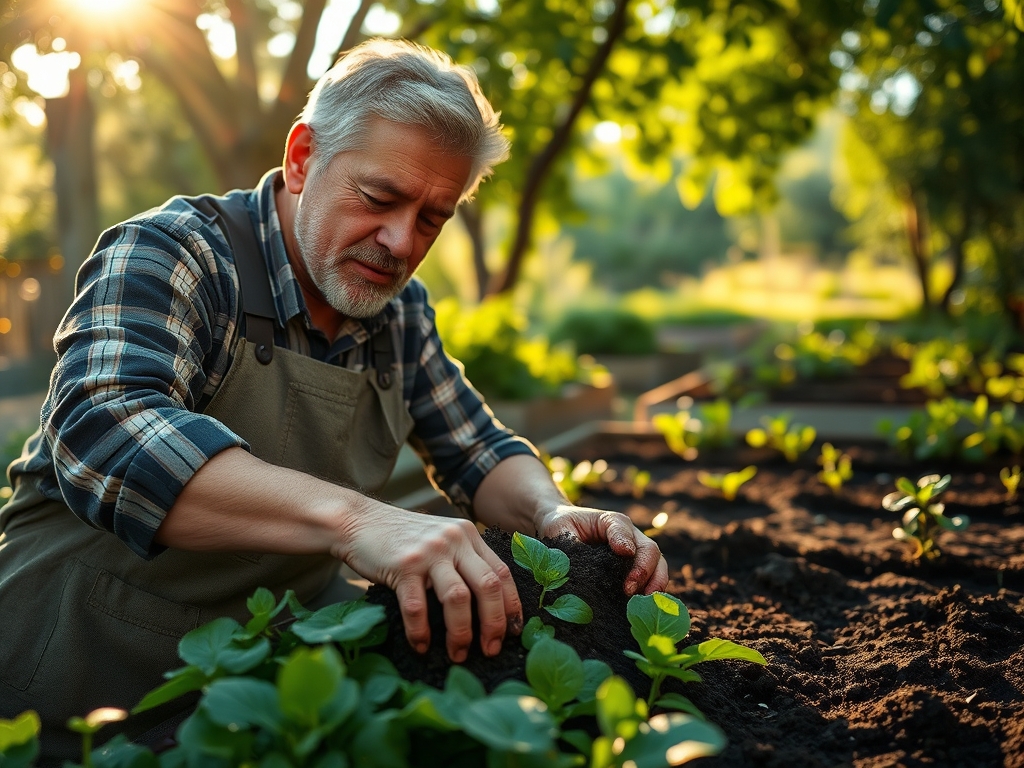
Sowing
Direct sow seeds at a depth approximately three times their diameter. Ensure even contact between the seed coat and the moist substrate to initiate imbibition.
Pro-Tip: Proper spacing prevents auxin suppression caused by overcrowding. When plants are too close, they compete for light, triggering an elongation of the internodes (legginess) as the plant prioritizes height over structural integrity.
Transplanting
When moving seedlings from trays to the garden, minimize transplant shock by maintaining the integrity of the root ball. Dig a hole twice the width of the current container to allow for easy lateral root expansion into the surrounding soil.
Pro-Tip: Inoculate the planting hole with endomycorrhizal fungi. This establishes a mycorrhizal symbiosis where the fungi extend the reach of the root system, significantly increasing the uptake of phosphorus and water.
Establishing
The first 14 to 21 days post-planting are critical for root anchorage. Maintain consistent moisture to prevent the wilting of young tissues.
Pro-Tip: Utilize phototropism by orienting taller structures, such as trellises, on the north side of the garden. This prevents shorter, light-sensitive crops from being shaded out during the peak solar hours of 10:00 AM to 4:00 PM.
The Clinic:
Physiological disorders often mimic infectious diseases but result from environmental or nutritional imbalances.
-
Symptom: Interveinal chlorosis (yellowing between leaf veins) on older leaves.
-
Solution: This indicates Magnesium deficiency. Apply Epsom salts (magnesium sulfate) at a rate of 1 tablespoon per gallon of water as a foliar spray.
-
Symptom: Blossom end rot (dark, leathery spots on the bottom of fruit).
-
Solution: This is caused by a Calcium transport issue, often triggered by inconsistent watering. Maintain a steady moisture level to ensure calcium ions can move through the xylem.
-
Symptom: Purpling of the underside of leaves.
-
Solution: This is a classic sign of Phosphorus deficiency, common in cold soils where microbial activity is low. Increase soil temperature with black plastic mulch or wait for seasonal warming.
-
Fix-It for Nitrogen Chlorosis: If the entire plant is pale green or yellow, apply a high-nitrogen organic fertilizer like blood meal (12-0-0) to rapidly boost chlorophyll production.
Maintenance:
Precision maintenance prevents plant senescence (premature aging). Apply exactly 1.5 inches of water per week at the drip line rather than overhead. Overhead watering increases leaf wetness duration, which promotes fungal pathogens. Use a hori-hori knife for deep weeding to ensure the entire taproot is removed without disturbing the crop's rhizosphere.
Pruning should be performed with sharp bypass pruners to create clean cuts that callouse quickly. For indeterminate tomatoes, prune the "suckers" (axillary buds) to focus the plant's energy on a single main leader. This improves airflow and light penetration. Check soil compaction monthly; if the soil resists a soil moisture meter probe, lightly aerate the surface with a hand fork to improve gas exchange.
The Yield:
Harvesting is a physiological intervention. For leafy greens, harvest in the early morning when turgor pressure is at its peak; this ensures the leaves are crisp and have the highest sugar content. For fruiting crops like peppers or cucumbers, use pruners to cut the pedicel rather than pulling, which can damage the main stem.
Post-harvest handling is vital for "day-one" freshness. Immediately submerge leafy greens in 40-degree Fahrenheit water to remove field heat and slow down the metabolic rate. This process, known as hydro-cooling, prevents rapid wilting. Store most vegetables in a high-humidity environment at 35 to 40 degrees Fahrenheit, with the exception of tomatoes and basil, which suffer chill injury below 50 degrees Fahrenheit.
FAQ:
What is the best soil for a kitchen garden?
A well-draining friable loam with a pH of 6.2 to 6.8 is ideal. It should contain at least 5 percent organic matter to support microbial life and provide a high Cation Exchange Capacity for nutrient retention.
How much sun does a kitchen garden need?
Most culinary crops require a minimum of 6 to 8 hours of direct sunlight daily. This duration is necessary to drive the photosynthesis required for the production of complex carbohydrates and essential oils.
When is the best time to water?
Water in the early morning, between 5:00 AM and 9:00 AM. This allows the foliage to dry quickly, reducing the risk of fungal infections, and ensures the plant has maximum hydration before peak midday evaporation.
How do I stop my plants from bolting?
Bolting is triggered by high temperatures or changes in the photoperiod. To delay this, provide shade to cool the soil and choose "slow-bolt" varieties. Maintain consistent moisture to prevent the stress that signals the plant to produce seeds.