6 Best Screens for Carrot Soil
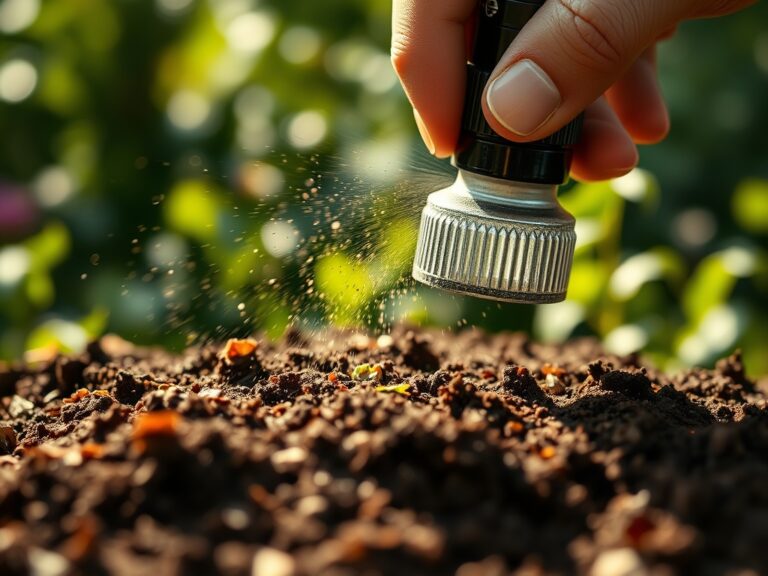
Damp earth emits a sharp, geosmin-heavy scent as the spade cuts through the upper horizon. A healthy carrot leaf maintains high turgor pressure; its serrated edges remain rigid and upright against the morning sun. Achieving this level of cellular integrity requires a substrate free of physical obstructions. Stones, compacted clay clods, and unrefined organic matter force the taproot to bifurcate or twist. To produce straight, marketable roots, a gardener must utilize the best screens for carrot soil to filter out any debris larger than a pea. This mechanical refinement ensures the primary radicle descends vertically without resistance. Soil density directly dictates the final morphology of the Daucus carota. A refined, friable medium allows for maximum cell expansion in the cortex of the root. When the rhizosphere is clear of obstructions, the plant can focus its metabolic energy on carbohydrate storage rather than navigating around physical barriers. Success begins with the sieve; without it, even the most balanced nutrient profile cannot correct for a deformed root structure caused by rocky soil.
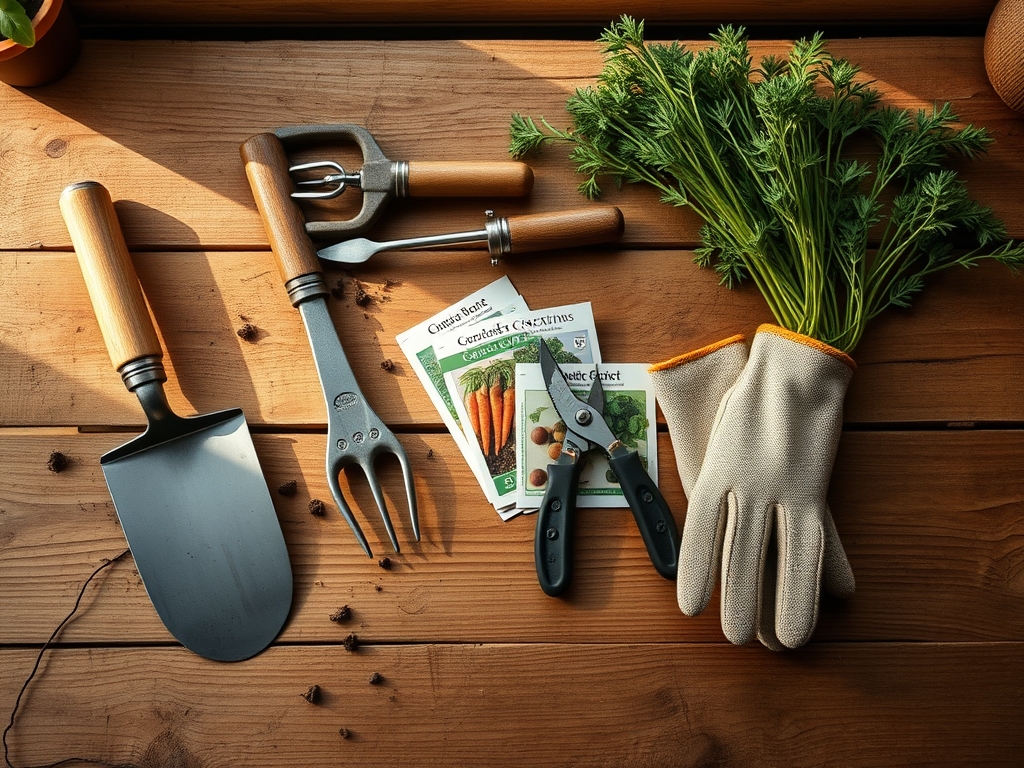
Materials:
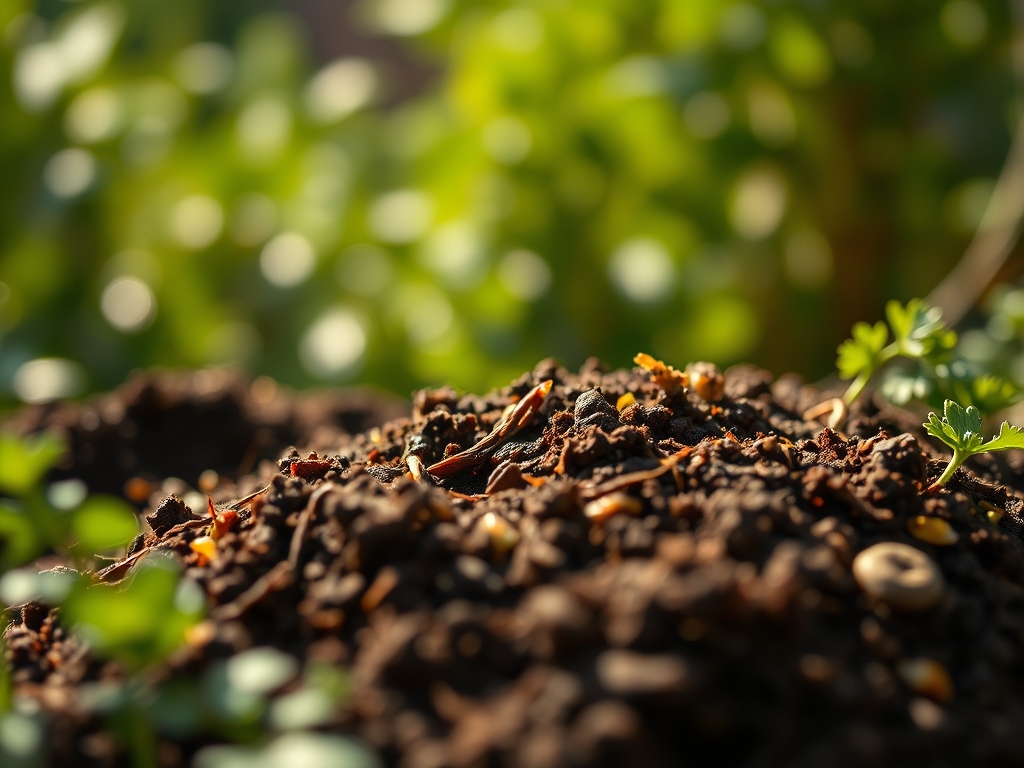
The ideal substrate for carrots is a deep, friable loam with a **pH range between 6.0 and 6.8**. At this acidity level, micronutrients like iron and manganese remain bioavailable. Before sowing, the soil must be screened to a depth of **12 inches**. The best screens for carrot soil typically feature a **1/4 inch or 1/2 inch galvanized steel mesh**.
Nutrient management requires a specific NPK ratio to prevent excessive foliage at the expense of root development. Aim for a 1-2-2 ratio, such as a 5-10-10 fertilizer. High nitrogen (above a 10 percent concentration) triggers rapid vegetative growth but leads to hairy, spindly roots. Phosphorus is critical for root elongation, while potassium regulates the translocation of sugars from the leaves to the taproot. The soil Cation Exchange Capacity (CEC) should ideally sit between 15 and 25 meq/100g to ensure the medium can hold and exchange these essential ions.
Timing:
Carrots are cool-season biennials that thrive in Hardiness Zones 3 through 10. For optimal germination, soil temperatures must reach at least 50 degrees Fahrenheit, though the physiological "sweet spot" is 65 to 75 degrees Fahrenheit. In northern zones, sow three weeks before the last predicted frost. In southern zones, carrots are a winter crop, sown as the photoperiod shortens in autumn.
The biological clock of the carrot is divided into distinct phases. The vegetative stage encompasses the first 70 to 80 days for most cultivars. During this window, the plant focuses on developing a robust photosynthetic canopy. If exposed to prolonged temperatures below 45 degrees Fahrenheit for several weeks (vernalization), the plant may prematurely enter the reproductive stage, known as bolting. Once bolting begins, the taproot becomes woody and unpalatable as the plant reallocates sugars to produce a flower umbel.
Phases:

Sowing
Sow seeds at a depth of 1/8 to 1/4 inch in rows spaced 12 inches apart. Because carrot seeds are minute and slow to germinate, the soil must remain consistently moist to prevent crusting.
Pro-Tip: Carrots exhibit slow initial germination due to their small endosperm reserves. Maintaining a moist surface prevents "soil capping," which can physically block the hypocotyl from emerging. This ensures the seedling can immediately begin photomorphogenesis upon breaking the surface.
Establishing
Once seedlings reach 2 inches in height, thin them to a spacing of 3 inches apart. Use a hori-hori knife to slice through the foliage of the extras rather than pulling them, which protects the delicate root systems of the remaining plants.
Pro-Tip: Thinning reduces competition for light and nutrients, preventing auxin suppression. When plants are too crowded, the shade avoidance response triggers elongated, weak stems and stunted root development as the plant prioritizes vertical growth over subterranean storage.
Maturation
During the mid-to-late growth phase, the taproot undergoes secondary thickening. This is when the plant requires steady potassium levels to facilitate the movement of photosynthates.
Pro-Tip: Maintaining a stable moisture profile encourages mycorrhizal symbiosis. These beneficial fungi extend the reach of the root system, increasing the surface area for phosphorus uptake, which is essential for the structural integrity of the taproot.
The Clinic:
Physiological disorders often stem from environmental stressors rather than pathogens.
- Symptom: Forked or twisted roots.
- Solution: Screen soil to a depth of 12 inches using a 1/4 inch mesh to remove stones and hard clods.
- Symptom: Growth cracks (longitudinal splitting).
- Solution: Regulate irrigation. Cracking occurs when a dry period is followed by heavy rain, causing a sudden surge in turgor pressure that ruptures the outer tissues.
- Symptom: Green shoulders (chlorophyll development on the root top).
- Solution: Mound soil or mulch around the crown. Exposure to light triggers photosynthesis in the root tissue, producing bitter alkaloids.
- Fix-It for Nitrogen Chlorosis: If older leaves turn pale yellow, apply a side-dressing of blood meal or a low-nitrogen liquid seaweed extract to restore leaf function without over-stimulating foliage.
Maintenance:
Precision is required for high-yield carrot production. Provide exactly 1.5 inches of water per week delivered via drip irrigation to keep the moisture at the rhizosphere consistent. Surface watering often leads to shallow root systems. Use a soil moisture meter to ensure the hydration reaches a depth of 8 inches.
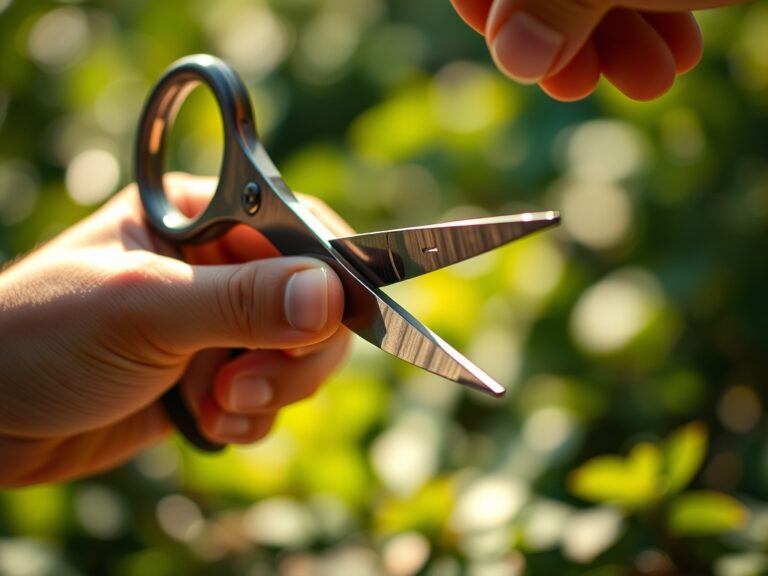
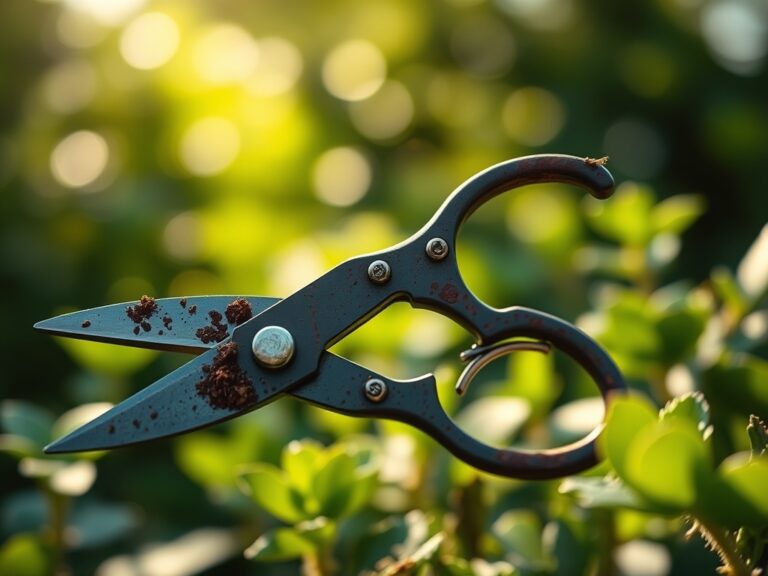
Keep the area weed-free using a hori-hori knife for deep-rooted perennials and bypass pruners to clip back any overhanging vegetation from neighboring crops that might block the sunlight. Carrots require at least 6 to 8 hours of direct solar radiation to maximize sugar synthesis. Mulching with a thin layer of weed-free straw can help maintain soil temperature and moisture levels during the heat of mid-summer.
The Yield:
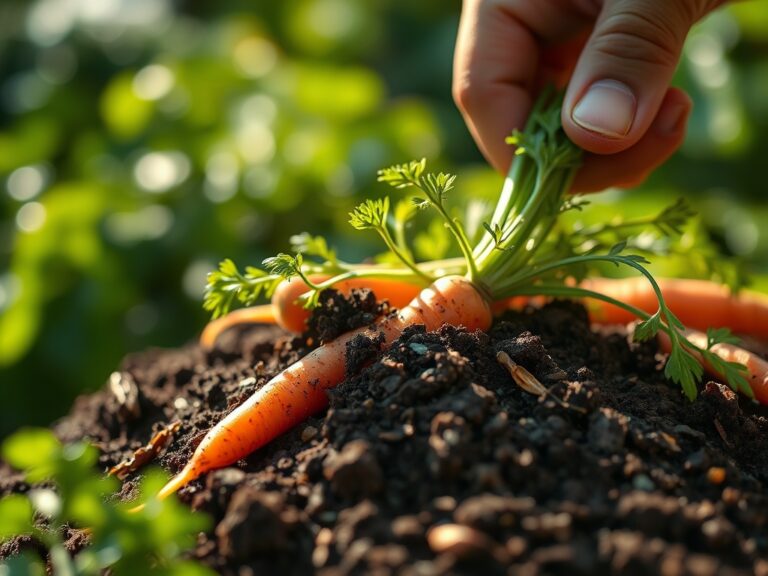
Harvesting typically occurs 60 to 80 days after sowing, depending on the cultivar. To check maturity, clear soil away from the crown; a diameter of 1/2 to 1 inch usually indicates readiness. Use a garden fork to loosen the soil 4 inches away from the row to avoid piercing the roots.
Post-harvest handling is vital for "day-one" freshness. Immediately remove the green tops. The foliage continues to draw moisture and sugars from the root after harvest, leading to rapid senescence and limpness. Wash the roots in cool water to remove soil and store them at 32 to 35 degrees Fahrenheit with 95 percent humidity. Under these conditions, the carrots will maintain their crispness and sugar content for several months.
FAQ:
What is the best mesh size for screening carrot soil?
A 1/4 inch galvanized hardware cloth is the professional standard. It removes small pebbles and compacted clay bits that cause root bifurcation while allowing beneficial organic matter and fine particulates to pass through into the planting bed.
Why are my carrots hairy instead of smooth?
Excessive nitrogen or waterlogged soil often causes fine secondary roots to proliferate. Maintain a 5-10-10 NPK ratio and ensure the soil has a high sand-to-silt ratio to promote drainage and smooth skin development.
Can I grow carrots in heavy clay soil?
Yes, but only if you incorporate significant amounts of organic matter and use a soil screen to break up clods. Alternatively, choose "Chantenay" or "Oxheart" varieties, which are bred with shorter, wider taproots to penetrate denser substrates.
How do I prevent my carrots from tasting bitter?
Bitterness is often caused by heat stress or high terpene levels. Ensure the plants receive 1.5 inches of water weekly and harvest before soil temperatures exceed 80 degrees Fahrenheit, which triggers the plant to convert sugars back into starches.