8 Best Venus Flytrap Indoor Tips
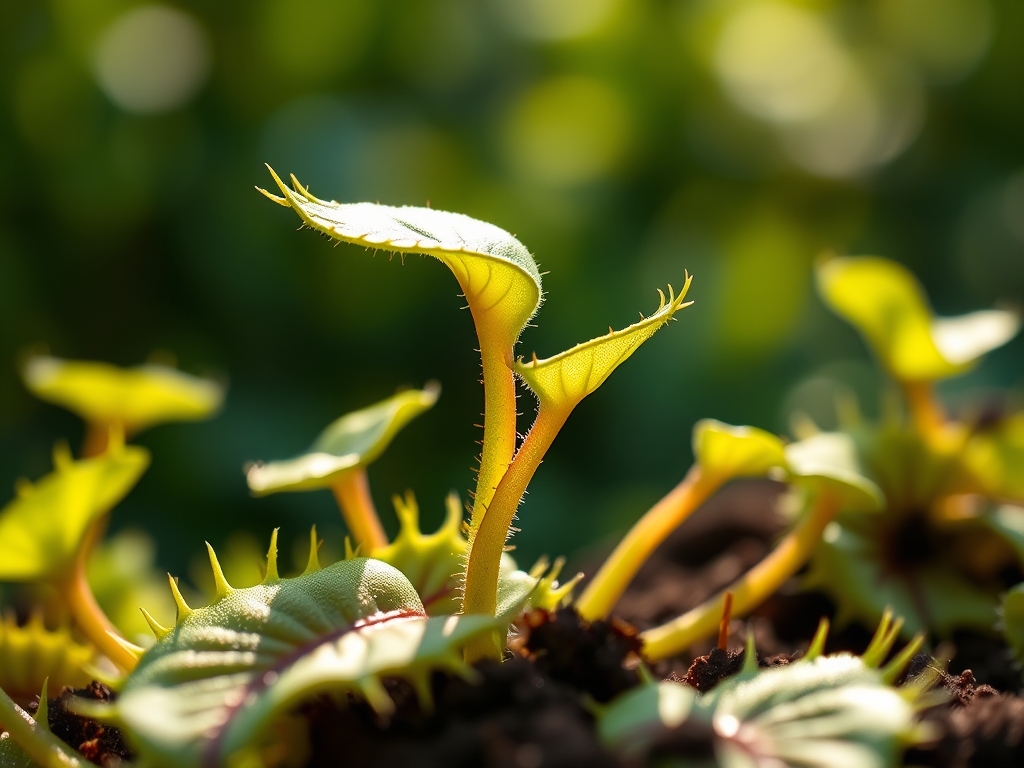
The smell of damp peat and the crisp snap of a closing trap define the physical reality of Dionaea muscipula. Maintaining high turgor pressure in the marginal teeth requires a precise balance of hydration and light. Cultivating these carnivorous plants inside a home environment demands more than casual interest; it requires a commitment to simulating a specific bog ecosystem. Following the best venus flytrap indoor tips ensures your specimen avoids the common pitfall of rapid senescence. Success depends on managing the plant at a cellular level, focusing on the electrical impulses that trigger the trap and the chemical composition of the rhizosphere. You are not just growing a plant; you are managing a specialized biological machine that thrives on nutrient scarcity and high photon flux.
Materials:
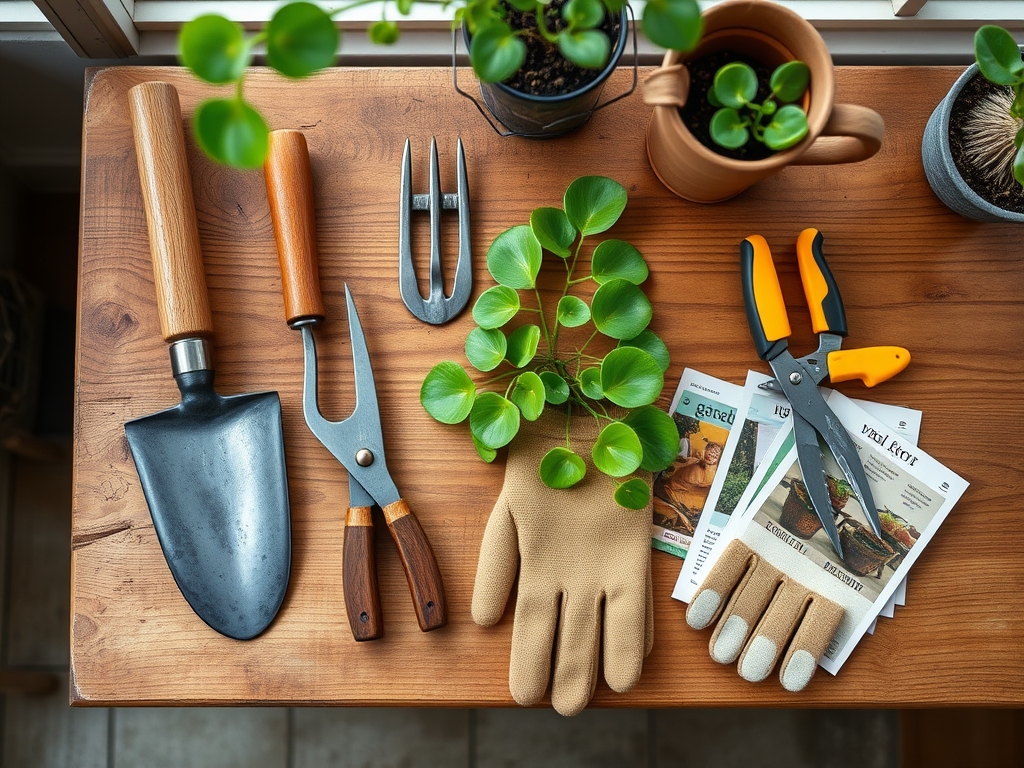
The substrate for a Venus flytrap must be inert and acidic, maintaining a pH between 4.0 and 5.0. Unlike standard garden flora, these plants have a negligible Cation Exchange Capacity (CEC) requirement because they evolved to bypass soil-based nutrient uptake. The ideal substrate is a friable mix of 50 percent long-fiber sphagnum peat moss and 50 percent horticultural grade perlite or silica sand.
Do not use potting soil or compost. These materials contain high NPK ratios that will cause mineral burn and root necrosis. The NPK ratio of your substrate must be 0-0-0. Any presence of nitrogen, phosphorus, or potassium in the soil will overwhelm the plant's specialized root system. The physical texture should be airy yet capable of holding significant moisture without becoming anaerobic. Ensure the silica sand is washed to remove any traces of calcium carbonate, which can drift the pH toward alkalinity and kill the plant.
Timing:
While Venus flytraps are native to the coastal plains of North and South Carolina, categorized in Hardiness Zones 7 through 9, indoor cultivation requires simulating these seasonal shifts. The biological clock of the plant is dictated by the photoperiod. During the vegetative stage, which occurs in spring and summer, the plant requires 12 to 14 hours of intense light.
The transition to the reproductive stage or dormancy is critical. As the calendar moves toward November, the plant enters a period of senescence where leaf production slows and existing traps may turn black. This is not death; it is a metabolic necessity. You must provide a cool period of three to four months with temperatures between 35 and 50 degrees Fahrenheit. Failure to provide this winter rest will exhaust the plant's energy reserves, leading to a diminished lifespan and eventual collapse.
Phases:
Sowing and Stratification
Venus flytrap seeds require cold moist stratification to break physiological dormancy. Place seeds on damp peat in a sealed container at 35 to 40 degrees Fahrenheit for 4 to 6 weeks. Once moved to a warmer environment of 75 to 85 degrees Fahrenheit, germination occurs within 21 days.
Pro-Tip: Maintaining high humidity during germination prevents the desiccation of the delicate radicle. This is due to the plant's lack of a developed cuticle in its early stages, making it highly susceptible to rapid transpiration.
Transplanting
Transplant during late winter or early spring before the plant exits dormancy. Use a hori-hori knife to gently lift the white, bulbous rhizome from the old substrate. Ensure the rhizome is buried about 1 inch deep, with the growth point just at the surface.
Pro-Tip: Avoid touching the traps during transplanting to prevent unnecessary energy expenditure. Every time a trap snaps shut without a meal, the plant loses a significant portion of its stored adenosine triphosphate (ATP).
Establishing
Once transplanted, the plant enters a phase of rapid root elongation. Place the pot in a tray containing 1 inch of distilled water or rainwater. The Total Dissolved Solids (TDS) of the water must be below 50 parts per million (ppm).
Pro-Tip: Use a soil moisture meter to ensure the substrate remains saturated but not stagnant. This encourages the development of a healthy rhizosphere where the roots can facilitate gas exchange despite the high water content.
The Clinic:
Physiological disorders in indoor flytraps often stem from environmental mismatches rather than pathogens.
Symptom: Blackening traps before they reach full size.
Solution: Increase light intensity. This is often a sign of low photon flux, where the plant cannot produce enough sugars via photosynthesis to support the metabolic cost of a new trap. Use a full-spectrum LED grow light positioned 6 to 10 inches above the foliage.
Symptom: Weak, elongated leaves with small, non-functional traps.
Solution: This is etiolation. The plant is stretching for light. Increase the photoperiod to 14 hours and ensure the light source provides at least 15,000 lux.
Symptom: Yellowing of the entire leaf (Chlorosis).
Solution: Check your water source. Mineral accumulation from tap water causes a lockout of the plant's ability to regulate its internal pH. Flush the substrate with one gallon of distilled water to leach out accumulated salts.
Fix-It for Nutrient Issues: If the plant appears stunted despite perfect light and water, it may need a manual feeding. Place a small, live insect into a trap. The movement triggers the mechanoreceptors, signaling the plant to secrete digestive enzymes. This provides the necessary nitrogen and phosphorus that the roots cannot absorb.
Maintenance:
Precision is the hallmark of a master horticulturist. Use a soil moisture meter daily to ensure the pot never dries out. The tray method is standard: keep the pot in a shallow reservoir of 0.5 to 1.5 inches of water. Only use distilled, reverse osmosis, or rainwater.
Pruning is essential for hygiene. Use bypass pruners to clip away completely black, shriveled leaves at the base. This prevents the growth of botrytis or other fungal pathogens in the high-humidity environment. Do not trigger the traps for amusement. Each trap can only close approximately 3 to 5 times before it loses its ability to function and enters senescence. If you must move the plant, handle it by the pot or the base of the rhizome to avoid accidental trigger activation.
The Yield:
While not an edible crop, the "yield" of a Venus flytrap is its seed production and rhizome division. In late spring, the plant may produce a tall flower stalk. If you seek maximum trap size, use bypass pruners to snip the stalk as soon as it reaches 2 inches in height. This redirects energy from reproduction back into vegetative growth.
If you allow the plant to flower and successfully pollinate it, the seeds will be ready when the seed pods turn black and open. Collect these immediately. For "day-one" freshness and maximum viability, sow the seeds immediately or store them in a refrigerator to maintain their moisture content. A healthy rhizome can also be split during the dormant season to create two separate, genetically identical clones.
FAQ:
Can I use bottled spring water for my flytrap?
No. Spring water contains minerals like calcium and magnesium that are toxic to the flytrap's root system. Only use distilled water, rainwater, or reverse osmosis water with a TDS reading below 50 ppm.
How much light does an indoor flytrap need?
It requires high-intensity light. Provide 12 to 14 hours of light using a full-spectrum LED grow light. The light should be bright enough to simulate direct sun, roughly 15,000 to 25,000 lux at the leaf surface.
Why are my flytrap's leaves turning black?
Individual leaves have a finite lifespan and naturally turn black after several closures or a few months of age. However, if new growth is turning black, it indicates low light, mineral burn, or a lack of dormancy.
Does my flytrap need to eat bugs indoors?
If grown in a bug-free environment, feed it one small insect every 2 to 4 weeks during the growing season. The insect must be alive or manually stimulated to trigger the plant's digestive response.
What temperature is best for indoor growth?
During the growing season, maintain temperatures between 70 and 85 degrees Fahrenheit. During the winter dormancy period, the plant must be moved to a cooler location between 35 and 50 degrees Fahrenheit for three months.