9 Vital Steps to Sundew Plant Care
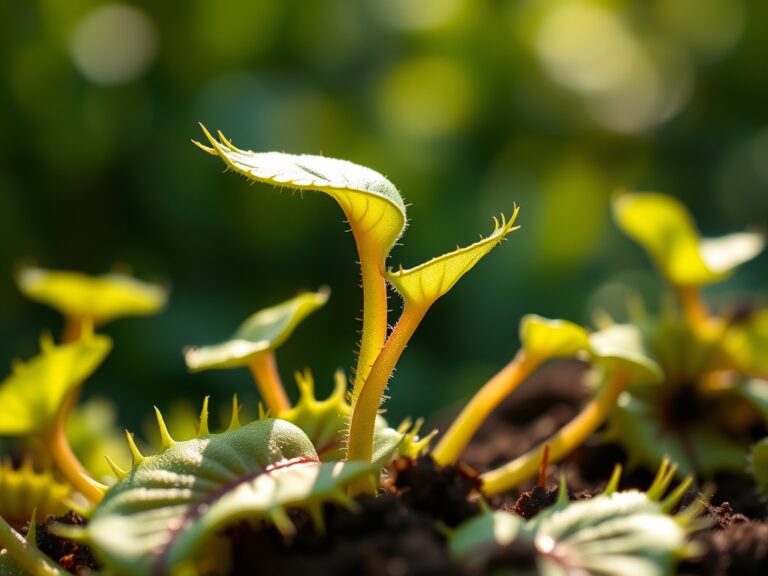
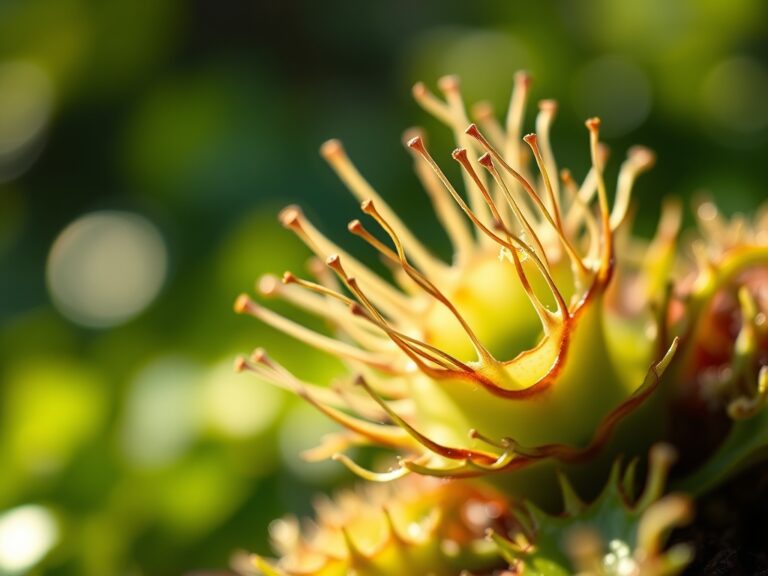
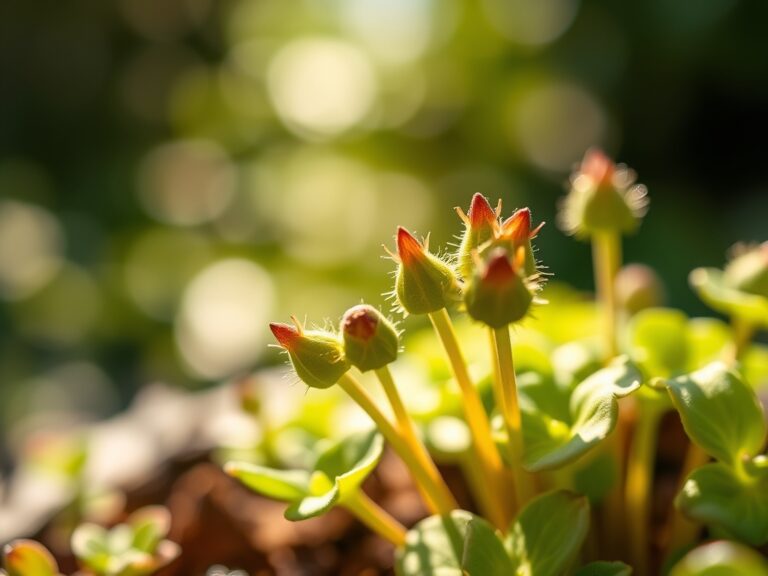
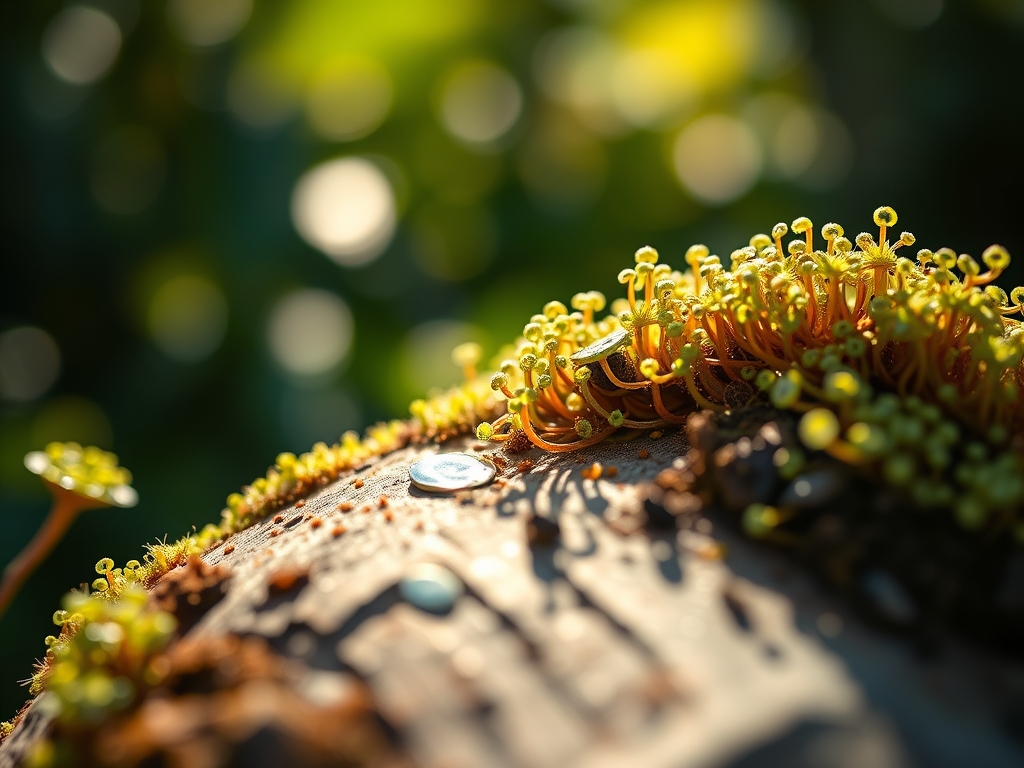
Damp peat moss emits a distinct, acidic scent that signals the ideal environment for Drosera. A healthy sundew leaf maintains high turgor pressure; its glandular trichomes glisten with mucilage that mimics dew. Success depends on replicating the nutrient-poor, waterlogged conditions of their native bogs. Mastering the steps to sundew plant care requires a shift from traditional gardening logic. You are not feeding the roots; you are managing a specialized predatory system that relies on specific environmental triggers. These plants have evolved to thrive where others fail, utilizing complex enzymatic secretions to bypass the lack of nitrogen in their substrate.
Materials:
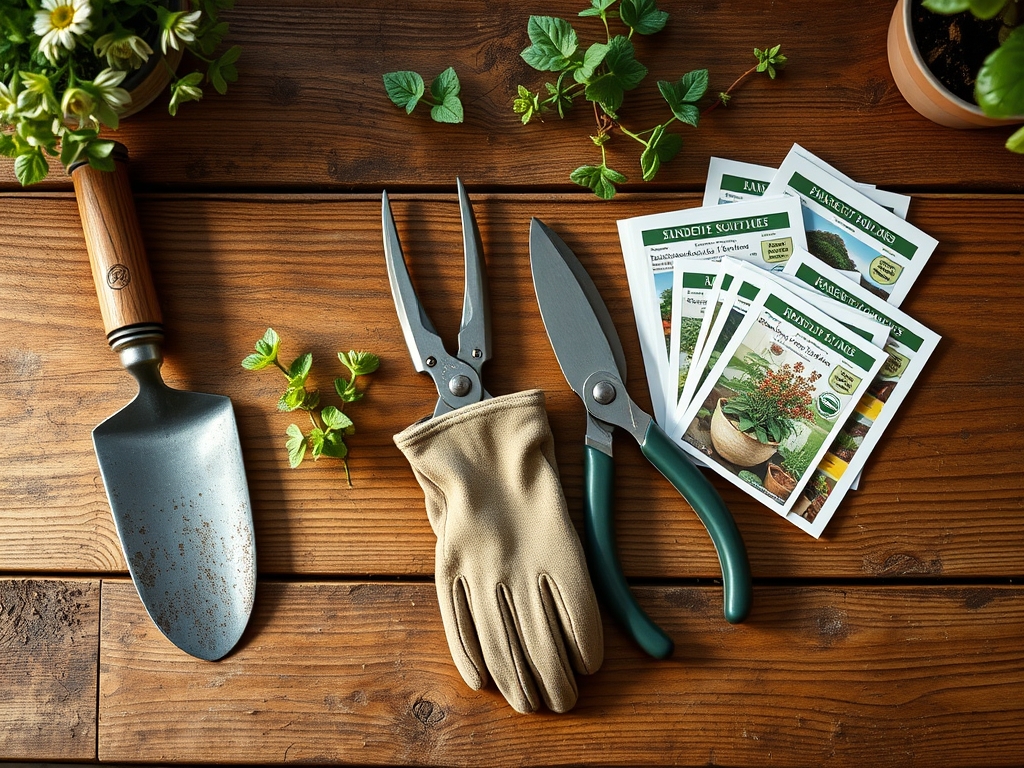
The substrate must be devoid of standard fertilizers. A standard NPK ratio of 10-10-10 will cause immediate root burn and systemic collapse. The ideal medium is a friable mix of 50 percent long-fiber Sphagnum moss and 50 percent horticultural grade silica sand. This combination ensures a low Cation Exchange Capacity (CEC), preventing the accumulation of mineral salts. The target pH must remain between 4.5 and 5.5. Use only distilled water, reverse osmosis water, or rainwater with a Total Dissolved Solids (TDS) reading below 50 parts per million. Containers should be plastic or glazed ceramic to prevent porous leaching of minerals into the rhizosphere.
Timing:
Sundews generally thrive in USDA Hardiness Zones 6 through 10, though specific temperate species like Drosera rotundifolia require a winter dormancy period. The biological clock of the sundew is governed by the photoperiod. During the spring equinox, increasing light triggers the transition from vegetative growth to the reproductive stage. For temperate varieties, a cold stratification period of 4 to 6 weeks at temperatures between 35 and 40 degrees Fahrenheit is mandatory to break seed dormancy. Tropical species do not require this and can be maintained in a consistent growth phase if temperatures remain between 70 and 85 degrees Fahrenheit.
Phases:

Sowing
Surface sow seeds directly onto the saturated substrate. Do not cover them with soil; sundew seeds are photoblastic and require light to initiate germination. Maintain a humidity level of 70 percent using a clear humidity dome. Germination typically occurs within 14 to 21 days when kept at a consistent 75 degrees Fahrenheit.
Pro-Tip: Light exposure is critical because it activates phytochrome receptors that signal the embryo to break the seed coat. This is an evolutionary adaptation to ensure the seedling emerges in an open, competitive-free space.
Transplanting
Move seedlings once they have developed at least four true carnivorous leaves. Use a stainless steel tweezers to handle the root plug, ensuring minimal disturbance to the fragile root hairs. Space plants 3 inches apart to allow for lateral leaf expansion.
Pro-Tip: Minimizing root disturbance prevents transplant shock by maintaining the existing turgor pressure within the vascular system. Sundews have a limited root biomass and rely heavily on hydraulic pressure to maintain upright growth.
Establishing
During the first 30 days post-transplant, maintain a water table that sits 1 inch below the soil surface. This "tray method" ensures the substrate remains capillary-wet. Gradually increase light intensity to reach 10,000 to 15,000 lux.
Pro-Tip: Controlled exposure to high-intensity light stimulates the production of anthocyanins. These red pigments protect the plant from UV damage and act as a visual lure for prey, optimizing the plant's nutrient intake through extra-floral means.
The Clinic:
Physiological disorders in sundews are often mistaken for fungal infections.
Symptom: Lack of mucilage (dew) on tentacles.
Solution: Increase ambient humidity and check soil moisture. If the substrate is dry, the plant cannot maintain the hydraulic pressure necessary to secrete digestive enzymes.
Symptom: Blackening of the leaf tips (necrosis).
Solution: This is often a sign of mineral burn. Flush the substrate with 2 gallons of distilled water for every 1 gallon of soil volume to leach out accumulated salts.
Symptom: Rapid stretching of the petioles (etiolation).
Solution: Increase light duration or intensity. The plant is exhibiting extreme phototropism, searching for a sufficient light source to fuel photosynthesis.
Fix-It: Nitrogen chlorosis is rare in sundews because they do not take up nitrogen through roots. If the plant appears pale, do not fertilize the soil. Instead, apply a single crushed freeze-dried bloodworm to one or two leaves. This provides a direct nitrogen boost through enzymatic digestion without poisoning the rhizosphere.
Maintenance:
Precision is the hallmark of professional sundew management. Monitor the water level daily; the substrate must never dry out. Use a soil moisture meter to ensure the medium stays at a "Saturation" reading. In a greenhouse setting, aim for 1.5 inches of water per week, delivered from the bottom to avoid washing away the sticky mucilage.
Pruning is rarely necessary but can be performed to remove dead tissue during senescence. Use bypass pruners or fine-tipped floral snips to remove blackened, spent leaves at the base of the rosette. This prevents the growth of gray mold (Botrytis). If the plant becomes root-bound, use a hori-hori knife to gently loosen the edges of the root ball during the spring repotting cycle. Never apply copper-based fungicides, as these are highly toxic to carnivorous taxa.
The Yield:
For those cultivating sundews for seed harvest, wait until the flower stalk has completely turned brown and brittle. This indicates the seeds have reached physiological maturity. Gently bend the stalk over a white sheet of paper and tap it; the dust-like seeds will fall easily. Store these seeds in a glass vial at 40 degrees Fahrenheit to maintain viability for up to two years. For fresh display, ensure the plant is not moved during the flowering stage to prevent bud abortion due to environmental stress.
FAQ:
What kind of water should I use for sundews?
Use only distilled, reverse osmosis, or rainwater. Sundews are sensitive to minerals found in tap water, such as calcium and fluoride. These minerals accumulate in the soil, causing root toxicity and eventually killing the plant within weeks of exposure.
Why is my sundew not producing sticky dew?
Low humidity or dehydration is the primary cause. If the air is too dry or the soil lacks sufficient moisture, the plant cannot maintain the turgor pressure required for mucilage secretion. Increase humidity to above 50 percent to restore dew.
How much sunlight do sundews need?
Most species require 10 to 12 hours of bright, indirect light. If grown indoors, use a full-spectrum LED grow light positioned 6 to 12 inches above the plant. Insufficient light leads to weak growth and a loss of red pigmentation.
Do I need to feed my sundew insects?
If grown outdoors, the plant will catch its own prey. Indoors, you may feed it once a month with small insects or crushed fish flakes. Do not overfeed; one insect per month is sufficient for the plant's supplemental nitrogen needs.
Can I use regular potting soil for sundews?
No. Standard potting soil contains fertilizers and minerals that will kill sundews. Use a nutrient-poor mixture of peat moss and perlite or silica sand. The goal is to provide physical support and moisture without any added chemical nutrients.