5 Easy Ways How to Grow Pitcher Plant Nepenthes
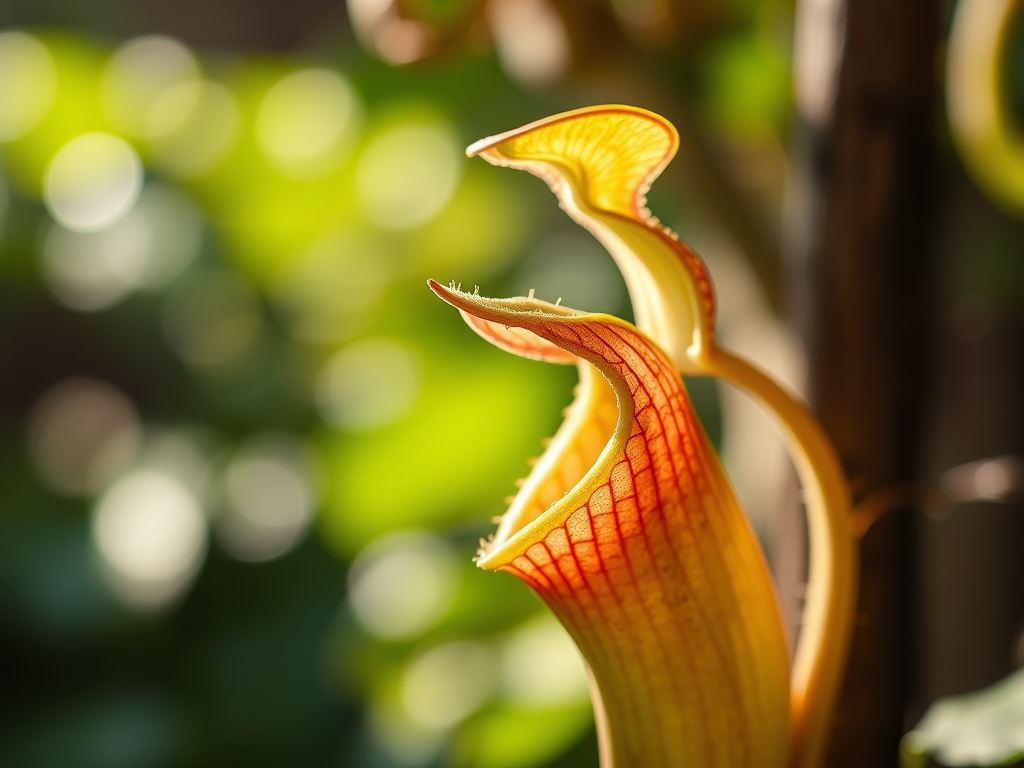
The scent of decomposing leaf litter and damp sphagnum moss signals a functional carnivorous environment. When a leaf achieves full turgor pressure; the cells are rigid and the waxy cuticle reflects a dull sheen; the plant is ready to produce its characteristic traps. Mastering how to grow pitcher plant nepenthes requires a shift from traditional gardening to managing a specialized microclimate. These plants do not seek nutrients from the soil. Instead, they utilize modified leaf structures to secure nitrogen and phosphorus from organic matter. Success depends on maintaining high humidity and precise light levels to trigger the development of the tendril into a functional pitcher.
Materials:
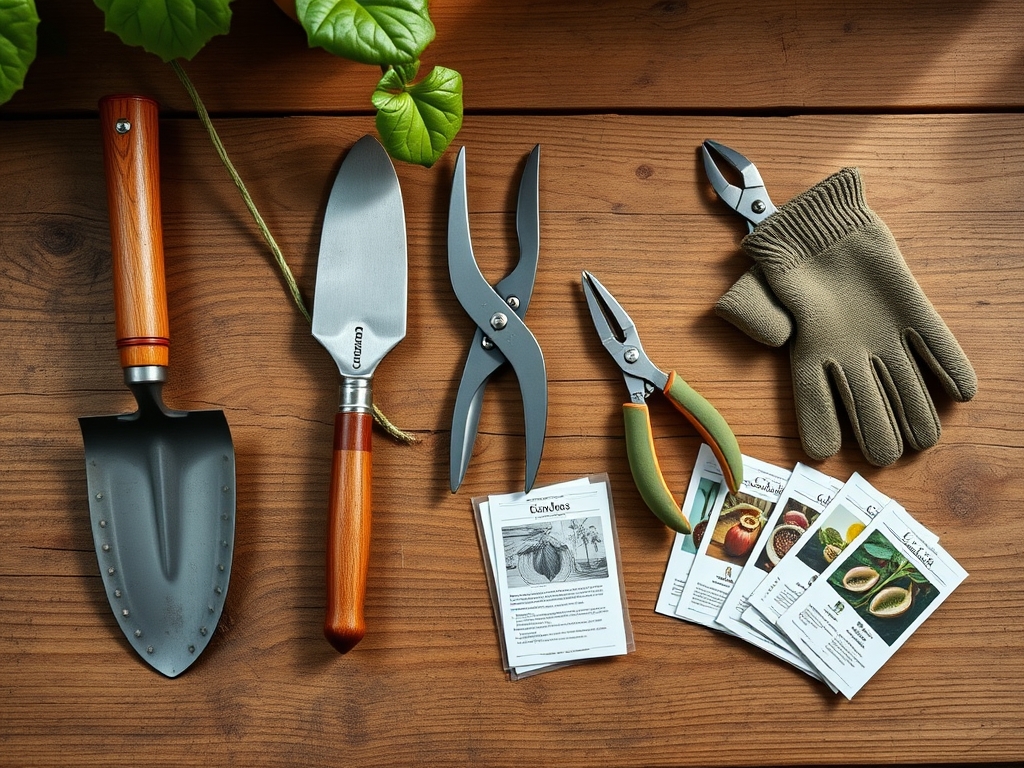
Nepenthes require a substrate with a low Cation Exchange Capacity (CEC) to prevent mineral salt accumulation. The ideal medium is a friable mix of **long-fiber sphagnum moss and perlite at a 1:1 ratio**. This creates an acidic environment with a **pH range between 4.5 and 5.5**. Do not use standard potting soil. Traditional fertilizers with high NPK ratios will chemically burn the sensitive root systems. If supplemental feeding is required, use a diluted orchid fertilizer with an **NPK ratio of 7-7-7** at one-quarter strength, applied only to the interior of the pitchers. The physical texture must remain airy to allow for oxygen diffusion within the rhizosphere.
Timing:
Most Nepenthes species are tropical and do not have a true dormancy period. They are suited for USDA Hardiness Zones 10 through 12. In cooler zones, they must be kept in temperature-controlled environments. Highland species thrive in daytime temperatures of 75 to 80 degrees Fahrenheit with a mandatory night drop to 55 degrees Fahrenheit. Lowland species require consistent warmth between 80 and 90 degrees Fahrenheit. The biological clock of the plant is driven by photoperiod. A consistent 12 to 14 hours of bright, indirect light is necessary to move the plant from a purely vegetative state to the reproductive stage where it produces complex traps.
Phases:
Sowing and Propagation
Nepenthes seeds are short-lived and must be sown immediately upon harvest. Place seeds on the surface of finely chopped, damp sphagnum moss. Do not bury them; they require light to germinate. Maintain a humidity level of 80 to 90 percent using a clear humidity dome. Germination typically occurs within 4 to 8 weeks depending on the species.
Pro-Tip: Ensure high light intensity without direct thermal heat to stimulate photomorphogenesis. This biological process triggers the seedling to develop its first true carnivorous leaves rather than just elongated, weak stems.
Transplanting
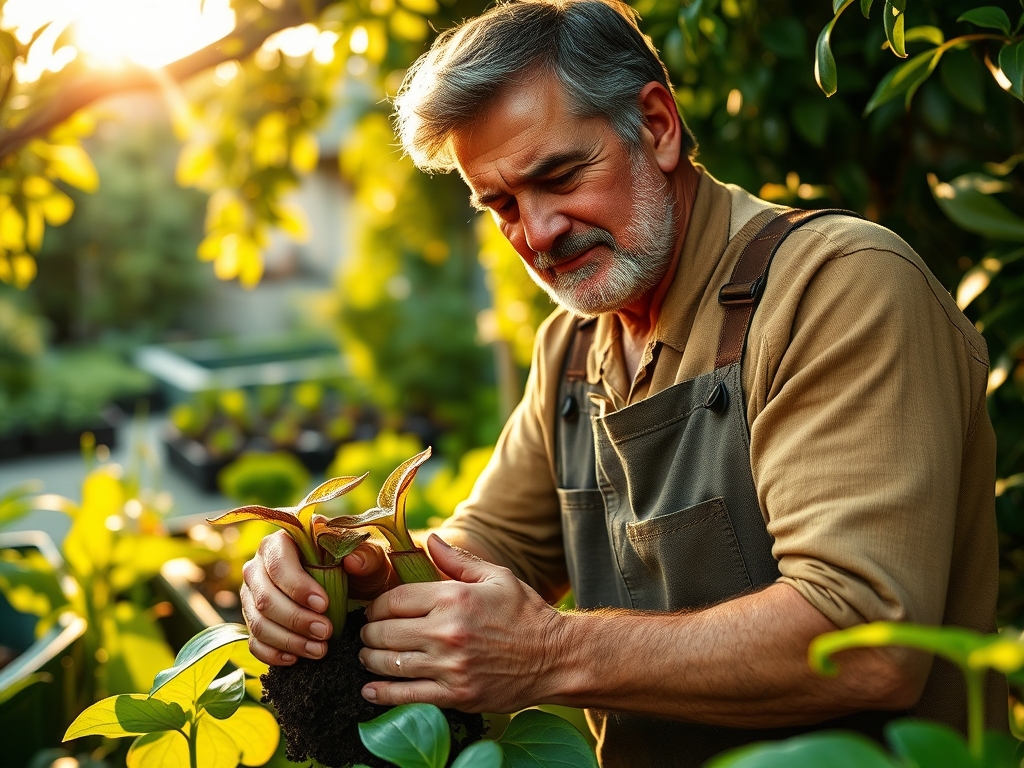
Transplant when the root system fills the current container, usually every 12 to 24 months. Use a plastic or glazed ceramic pot to prevent mineral leaching. Gently tease the roots to remove old, degraded moss. Place the plant so the crown sits slightly above the substrate line to prevent crown rot.
Pro-Tip: Minimize root disturbance to avoid transplant shock. Nepenthes have a low root-to-shoot ratio; any damage to the fine root hairs can lead to a rapid loss of turgor pressure in the leaves because the plant cannot replace transpired water.
Establishing
Once transplanted, the plant enters an establishment phase. Increase humidity levels to over 70 percent for the first three weeks. Monitor the tendrils at the end of the leaves. If the tips turn brown and dry, the humidity is too low for pitcher formation.
Pro-Tip: Maintain consistent moisture to support auxin distribution. Auxins are hormones that accumulate at the leaf tips; if the plant is stressed, auxin flow is inhibited, preventing the tendril from swelling into a pitcher.
The Clinic:
Physiological disorders in Nepenthes often stem from water quality or light levels.
- Symptom: Pitcher Senescence. Rapid browning of the upper half of the pitcher.
- Solution: This is often a natural part of the leaf life cycle. However, if it happens to new pitchers, increase humidity. Use a soil moisture meter to ensure the substrate is damp but not anaerobic.
- Symptom: Nitrogen Chlorosis. Yellowing of older leaves while veins remain green.
- Solution: Apply a 0.5 percent solution of Maxsea or similar seaweed-based fertilizer directly into the pitchers. This bypasses the roots and provides immediate nitrogen.
- Symptom: Leaf Reddening. Deep red or purple pigment on the leaf surface.
- Solution: This is a protective response to high UV levels. Move the plant 6 to 12 inches further from the light source to prevent photo-inhibition.
Maintenance:
Watering is the most critical maintenance task. Use only distilled water, rainwater, or reverse osmosis water with a Total Dissolved Solids (TDS) reading below 50 ppm. Apply water until it drains freely from the bottom of the pot; this flushes out any metabolic waste products. Use bypass pruners to remove completely dead pitchers and leaves at the point of attachment to the main stem. This prevents fungal pathogens from colonizing necrotic tissue. For climbing species, provide a cedar totem or trellis. Use a hori-hori knife only when dividing large clumps to ensure a clean cut through the woody rhizome.
The Yield:
While Nepenthes are not edible, their "yield" is measured in the size and coloration of the pitchers. To maximize pitcher longevity, keep the fluid levels inside the traps at about one-third full. If the fluid spills during shipping or handling, refill it with a small amount of distilled water. This maintains the enzymatic environment required for nutrient digestion. For display, ensure the plant is not moved frequently; sudden changes in orientation can cause the pitchers to abort their development.
FAQ:
How much light does a Nepenthes need?
Nepenthes require bright, filtered light. Aim for 1,000 to 2,000 foot-candles. Avoid direct midday sun, which causes leaf scorch. If the leaves are dark green and no pitchers form, increase the light intensity gradually over two weeks.
Can I use tap water for my pitcher plant?
No. Tap water contains minerals and chlorine that increase the TDS levels. Nepenthes roots are sensitive to salt buildup. High mineral content leads to root burn and eventual plant death. Always use water with less than 50 ppm TDS.
Why is my Nepenthes not producing pitchers?
The primary cause is low humidity. Most species require at least 60 percent ambient humidity to develop pitchers. Low light levels and lack of night-time temperature drops for highland species also inhibit the biological triggers for pitcher formation.
What should I feed my pitcher plant?
Feed the pitchers dried crickets, fish flakes, or osmocote pellets. Place one small insect or pellet in only one or two pitchers per month. Do not overfeed; excess organic matter causes the pitcher to rot and die prematurely.
What is the best temperature for Nepenthes?
Lowland species prefer 80 to 90 degrees Fahrenheit. Highland species need 75 degrees during the day and a drop to 55 degrees at night. Consistent temperatures outside these ranges will stall growth and prevent the plant from thriving.