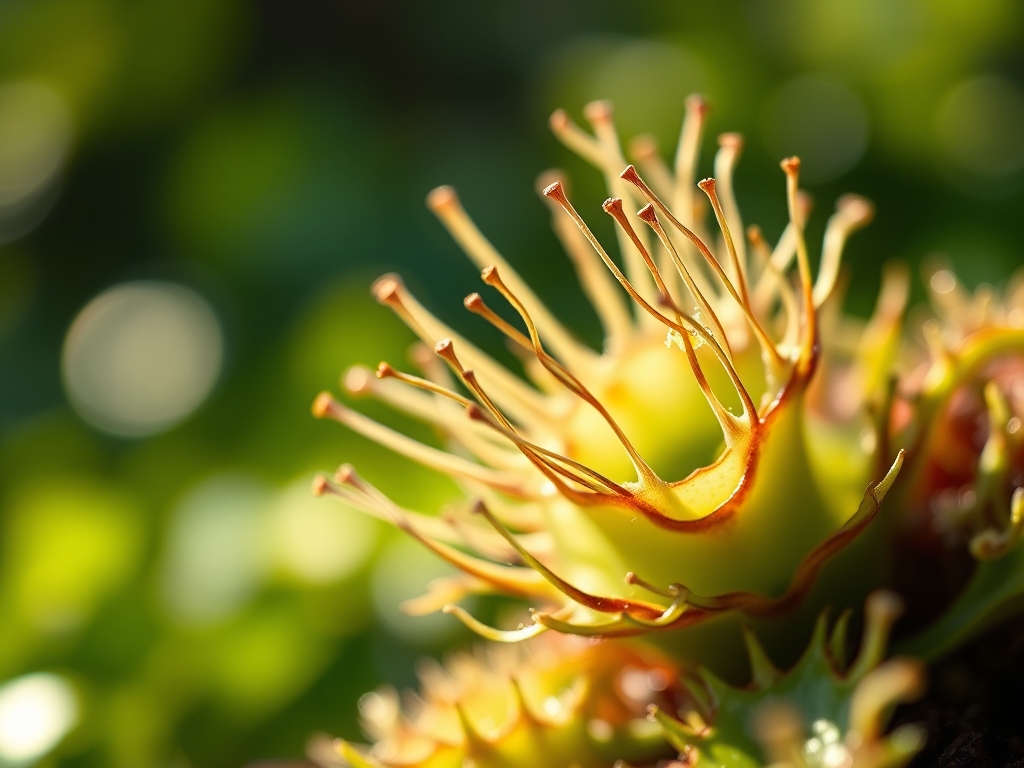
6 Basic Steps to Carnivorous Plant Care
The scent of anaerobic decomposition and damp sphagnum moss signals a functional bog environment. When a Venus flytrap or Sarracenia maintains high turgor pressure, its traps remain rigid and responsive to tactile stimuli. Achieving this level of physiological health requires a departure from standard floriculture. You must master the six specific steps to carnivorous plant care to prevent rapid senescence. These plants evolved in nutrient-poor, acidic wetlands where they bypassed traditional root-based nitrogen uptake. Success depends on replicating these harsh, low-mineral conditions through precise substrate engineering and hydrological management.
Materials:
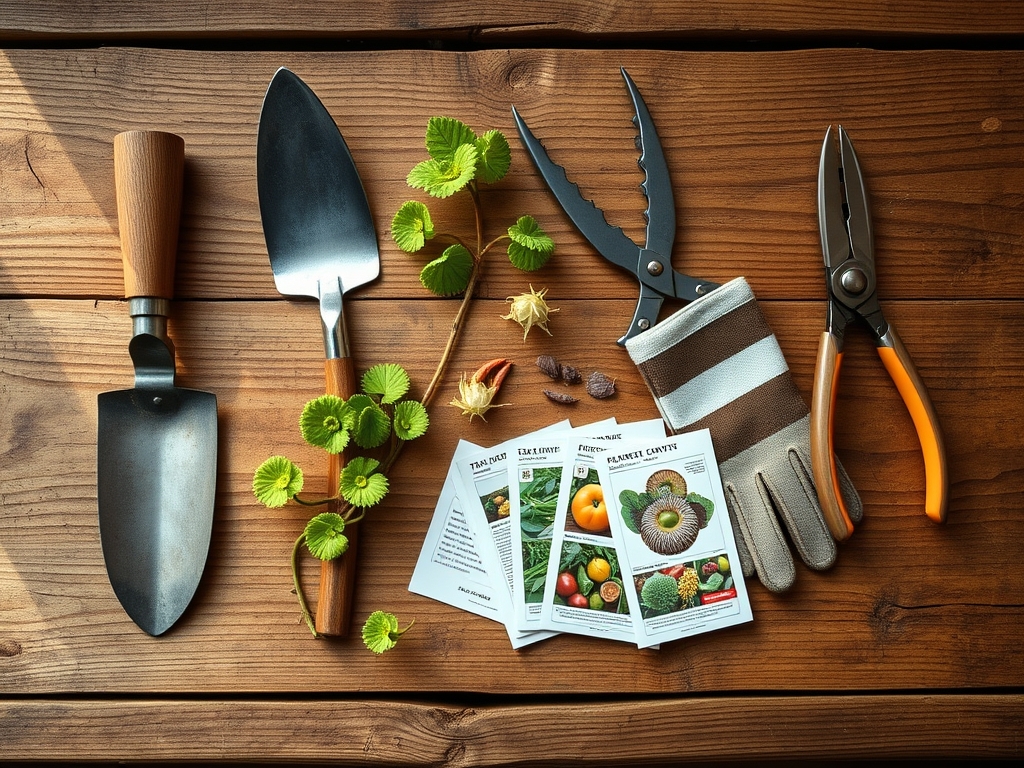
Carnivorous plants require a substrate with a **pH range between 3.5 and 4.5**. Standard potting soil is lethal due to high Cation Exchange Capacity (CEC) and mineral content. Your primary medium should be a mixture of long-fiber sphagnum moss or blonde peat moss and horticultural-grade perlite or silica sand. The ideal texture is a friable, airy matrix that allows for gas exchange in the rhizosphere while maintaining high moisture retention.
The NPK ratio for these substrates must be 0-0-0. Any presence of nitrogen, phosphorus, or potassium in the soil will burn the specialized filiform roots. You must use water with a Total Dissolved Solids (TDS) reading of less than 50 parts per million (ppm). Distilled water, reverse osmosis water, or rainwater are the only viable options. Tap water often contains calcium carbonates and chlorine that lead to mineral toxicity and plant death within weeks.
Timing:
Most temperate carnivorous plants, such as Dionaea muscipula and Sarracenia, thrive in Hardiness Zones 7 through 9. These species require a distinct winter dormancy period lasting 90 to 120 days. During this phase, the photoperiod should drop to approximately 8 to 10 hours of light, and temperatures should remain between 35 and 50 degrees Fahrenheit.
The biological clock of these plants is governed by seasonal thermoperiodism. In early spring, as temperatures rise above 60 degrees Fahrenheit, the plant transitions from its dormant rhizome state to its vegetative growth stage. This is the window for repotting, typically occurring two to three weeks before the last frost date. If the plant is not allowed this cold stratification, it will experience metabolic exhaustion and fail to produce robust traps during the following growing season.
Phases:

Sowing and Stratification
For species like Drosera (sundews), seeds often require cold stratification to break physiological dormancy. Place seeds on damp peat in a sealed container at 38 degrees Fahrenheit for six weeks. This mimics the winter cycle and triggers the hormonal shift necessary for germination once moved to a 75-degree Fahrenheit environment.
Pro-Tip: The biological why involves phytochrome-mediated germination. Light-sensitive proteins within the seed coat detect specific wavelengths, ensuring the plant only emerges when the canopy allows for maximum photosynthetic efficiency.
Transplanting
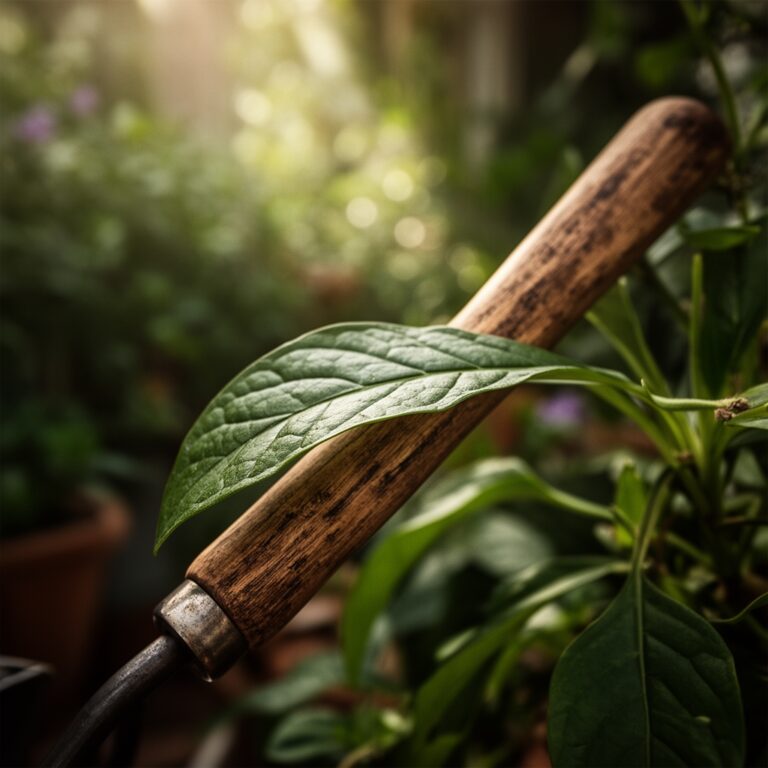
When moving a specimen, ensure the rhizome is positioned at the soil surface. For Sarracenia, the top half of the horizontal rhizome should remain slightly exposed to prevent crown rot. Use a hori-hori knife to create a vertical pilot hole to accommodate the long, delicate taproots without bending them.
Pro-Tip: Minimizing root disturbance preserves mucilage production. If the roots are damaged, the plant redirects energy from trap secretions to cellular repair, temporarily halting its ability to digest prey.
Establishing
During the first 21 days post-transplant, maintain a humidity level of 60% to 80%. This reduces the transpiration rate while the root system acclimates to the new substrate density. Avoid direct, mid-day sun during this period to prevent thermal shock to the foliage.
Pro-Tip: This phase relies on auxin regulation. Stable environmental conditions allow auxins to concentrate in the apical meristem, promoting the development of new, functional traps rather than simple photosynthetic phyllodia.
The Clinic:
Physiological disorders in carnivorous plants often stem from water quality or light deprivation.
Symptom: Blackening of traps before they fully mature.
Solution: Check for crown rot caused by excessive depth in the substrate. Elevate the rhizome and increase airflow around the base of the plant.
Symptom: Weak, elongated leaves with no trap development (etiolation).
Solution: Increase light intensity. Most species require 10,000 to 15,000 lux for optimal trap formation.
Symptom: Yellowing of new growth (Chlorosis).
Fix-It: This is rarely a nitrogen deficiency in the traditional sense; it is usually a sign of alkaline toxicity. Flush the substrate with three volumes of distilled water to leach out accumulated salts and restore the acidic pH.
Maintenance:
Hydration must be constant. Utilize the "tray method" where the pot sits in a reservoir containing 0.5 to 1 inch of distilled water. This ensures the capillary action keeps the substrate saturated. For larger bog gardens, ensure the equivalent of 2 inches of water per week is provided during the peak of summer.
Use bypass pruners to remove spent pitchers or blackened traps at the end of the season. This prevents fungal pathogens like Botrytis from establishing on necrotic tissue. Monitor the substrate weekly with a soil moisture meter; if the reading drops below 80% saturation, the peat may become hydrophobic, requiring a complete soak to rehydrate. Do not apply commercial fertilizers to the soil. If the plant is kept indoors and cannot catch insects, apply a highly diluted (1/4 strength) foliar seaweed extract or specialized carnivorous plant food directly to the traps once a month.
The Yield:
While not edible, the "yield" of a carnivorous plant is its floral display and seed production. Sarracenia blooms are architecturally complex and should be harvested just as the sepals begin to reflex if intended for floral arrangements. To maintain "day-one" freshness, place the cut stems immediately into deionized water. If seed collection is the goal, allow the ovary to swell and turn brown. Once the pod cracks, the seeds are mature and ready for immediate sowing or dry storage at 40 degrees Fahrenheit.
FAQ:
Can I use tap water if I let it sit out overnight?
No. Letting water sit only removes chlorine gas. It does not remove dissolved minerals like calcium and magnesium, which accumulate in the substrate and cause root burn. Only use water with a TDS below 50 ppm.
Why are my Venus flytrap's traps staying closed?
Traps remain closed for 5 to 12 days during the digestion process. If they stay closed without prey, it may be a sign of low turgor pressure or temperature stress. Ensure the plant has consistent moisture and full sun.
Does my plant need to eat insects to survive?
Insects provide supplemental nitrogen and phosphorus for faster growth and seed production. However, the plant is still photosynthetic. It can survive without prey for long periods, but it will grow significantly slower and produce smaller traps.
How do I know if my plant is in dormancy?
The plant will stop producing new traps, and existing foliage may turn brown or die back to the soil level. This is a normal physiological response to shorter days and cooler temperatures. Do not discard the plant during this cycle.