7 Best Repotting Orchid Bark Tips
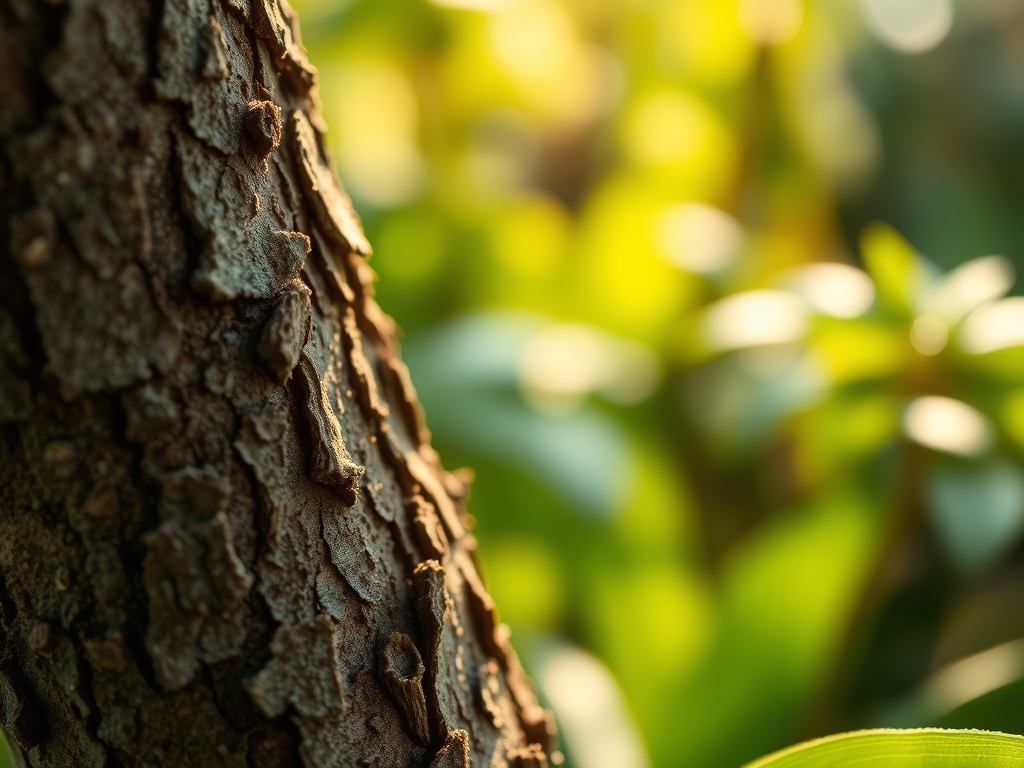
Crushing a piece of aged fir bark between your fingers should release a scent of damp forest floor and fungal activity. This tactile feedback confirms the substrate's structural integrity. A healthy Phalaenopsis or Cattleya relies on high turgor pressure within its thick, succulent leaves; a state achieved only when the root system can access oxygen and moisture in equal measure. Mastering the best repotting orchid bark tips requires understanding that the substrate is not soil but a mechanical support system. When bark decomposes, it compacts and acidifies, suffocating the rhizosphere. You must intervene before the medium collapses into a soggy, anaerobic mass that triggers root senescence. Successful repotting ensures the plant maintains its metabolic rate by providing a fresh, airy environment that mimics the epiphytic conditions of the tropics. By selecting the correct grade of bark and timing the transition to the plant's active growth phase, you secure the hydraulic conductivity necessary for the next flowering cycle.
Materials:
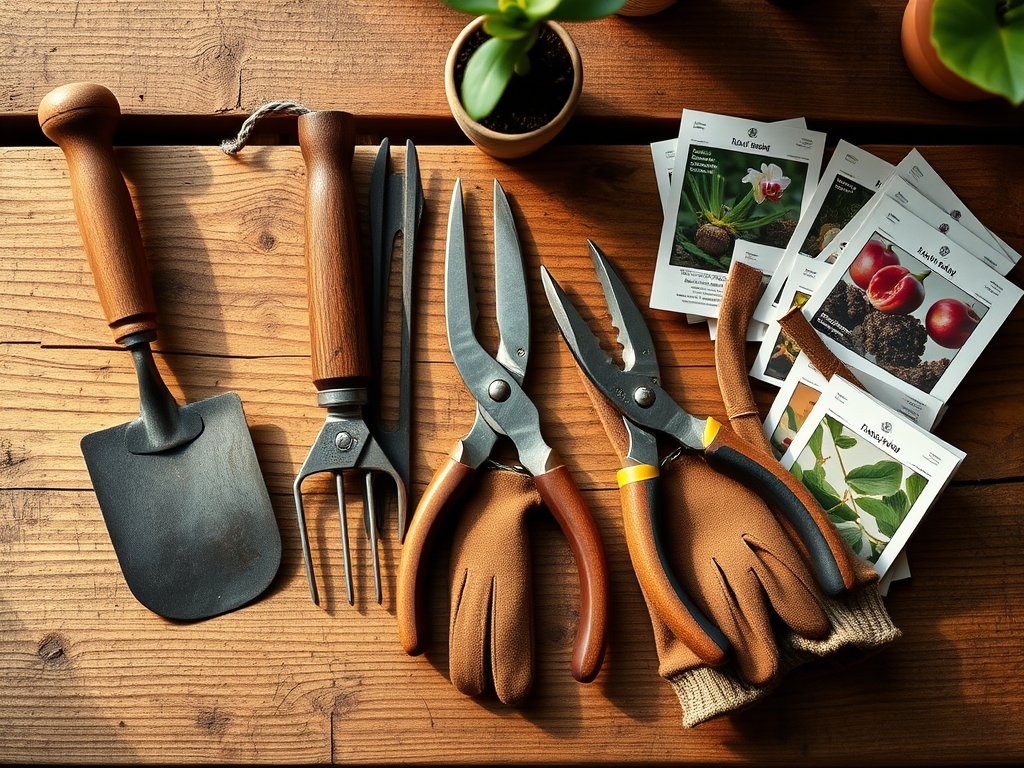
The ideal substrate for most epiphytic orchids is a professional-grade Douglas fir or Monterey pine bark. This material must be hard and chunky rather than a friable loam. The physical texture should be rigid to resist rapid decomposition. For seedlings or fine-rooted species like Oncidiums, use a fine grade (1/8 to 1/4 inch). For standard hybrids, a medium grade (1/2 to 3/4 inch) is required to maintain macro-pores for air circulation.
Soil pH for orchids should be maintained between 5.5 and 6.5. Most fresh bark sits at a pH of 5.0 to 5.5, which naturally drifts downward as it decays. To manage nutrient availability, use a balanced fertilizer with an NPK ratio of 20-20-20 for general growth. If using pure bark, increase nitrogen to a 30-10-10 ratio. This compensates for the nitrogen drawdown effect, where microorganisms consuming the bark's carbon strip nitrogen from the water column. High Cation Exchange Capacity (CEC) is not a feature of fresh bark; therefore, consistent, dilute fertilization is mandatory because the substrate cannot hold onto nutrients like clay-based soils.
Timing:
Orchids do not follow the frost-date windows of Hardiness Zones 4 through 9 in the traditional sense because they are largely indoor or greenhouse specimens. However, the biological clock is dictated by light intensity and temperature shifts. The optimal window for repotting is immediately after the flowering stage ends, just as new green root tips begin to emerge from the base of the pseudobulb or monopodial stem.
This transition from the reproductive stage to the vegetative stage is critical. Repotting during the peak of winter or in the heat of summer can induce systemic shock. Aim for a period when ambient temperatures remain between 65 and 75 degrees Fahrenheit. This ensures the plant has sufficient metabolic energy to repair root hairs damaged during the move. Avoid repotting when the plant is in bud, as the shift in hydraulic pressure can cause bud blast, a physiological disorder where the plant aborts its flowers to conserve moisture.
Phases:
Sowing the Substrate
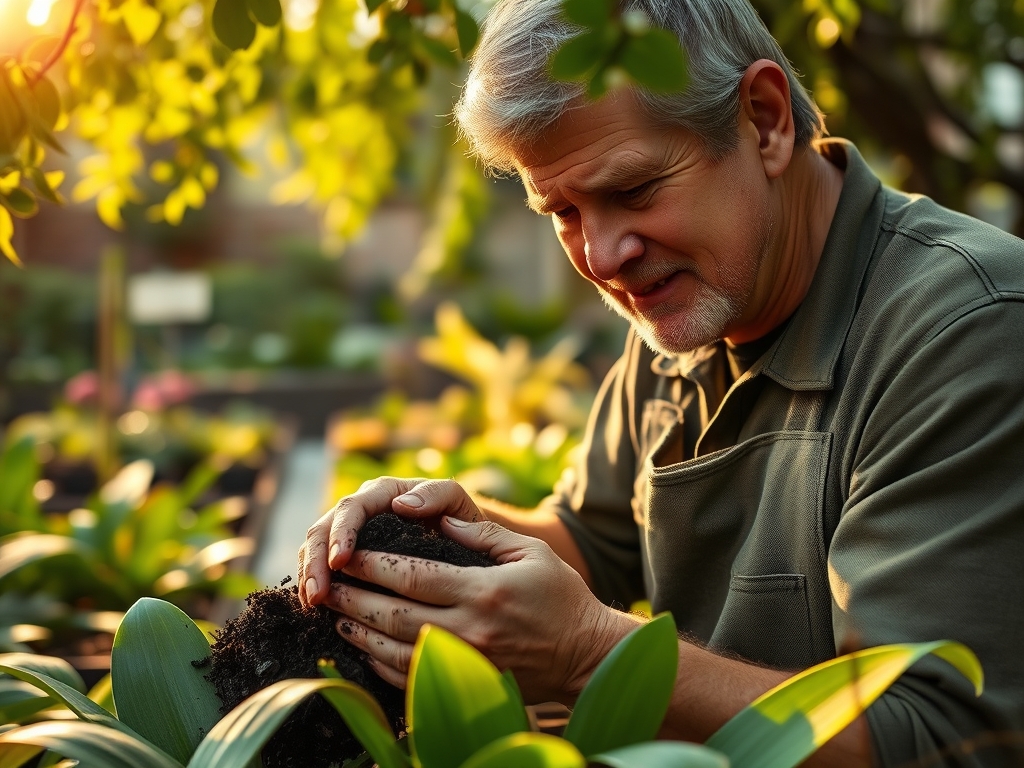
Preparation begins 24 hours before the actual transplant. Soak the dry bark in a bucket of water mixed with a weak seaweed extract. Dry bark is hydrophobic and will repel water if not pre-hydrated. This ensures the internal cells of the bark are saturated, providing a reservoir of humidity for the roots.
Pro-Tip: Pre-soaking bark initiates a process of surface tension reduction. This allows for better capillary action once the orchid is potted, preventing the "dry pocket" syndrome that leads to localized root desiccation.
Transplanting
Remove the orchid from its old container and use a sterilized hori-hori knife or bypass pruners to excise any brown, mushy, or hollow roots. Healthy roots will be firm and white or green. Position the plant in the center of the pot for monopodial types, or with the oldest growth against the rim for sympodial types to allow room for new rhizome expansion.
Pro-Tip: When placing the bark, tap the sides of the pot sharply. This uses gravity to settle the medium into the voids without the need for manual packing. Manual packing can crush the velamen, the spongy outer layer of the root, which is essential for moisture absorption and gas exchange.
Establishing
Place the newly potted orchid in a location with 50% to 70% humidity and indirect light. Withhold heavy watering for the first week to allow any micro-fractures in the roots to callous over. Mist the foliage lightly to maintain turgor pressure while the root system is offline.
Pro-Tip: This period of "dry rest" encourages the plant to seek out moisture, stimulating the production of auxins. These hormones migrate to the root tips, accelerating the development of new, branched root structures that will anchor the plant in the fresh bark.
The Clinic:
Physiological disorders in orchids often manifest through the foliage.
-
Symptom: Nitrogen Chlorosis. The older leaves turn a uniform pale yellow.
-
Solution: Increase the frequency of fertilization using a high-nitrogen (30-10-10) water-soluble solution. Ensure the bark is not overly decomposed, as this accelerates nitrogen tie-up.
-
Symptom: Velamen Collapse. Roots appear shriveled and grey despite frequent watering.
-
Solution: Check the substrate for salt accumulation. If the electrical conductivity (EC) of the runoff is too high, flush the pot with pure distilled water to leach excess minerals.
-
Symptom: Purple Foliage Pigmentation. Leaves develop a dark reddish or purple tint.
-
Solution: This is often a response to excessive light or phosphorus deficiency. Move the plant further from the light source and check the NPK balance.
Maintenance:
Orchid maintenance requires precision. Use a soil moisture meter to verify that the center of the bark mass is nearly dry before adding more water. In a standard 6-inch pot, the plant typically requires a deep drenching once every 5 to 7 days, depending on the ambient humidity.
When watering, apply water until it runs freely from the drainage holes. This leaches out metabolic wastes and fertilizer salts. Use bypass pruners to remove spent flower spikes, cutting roughly half an inch above the second or third node to encourage secondary branching. For larger collections, use a hori-hori knife to divide overgrown sympodial orchids, ensuring each division has at least three healthy pseudobulbs to provide sufficient carbohydrate reserves for recovery.
The Yield:
While most orchids are grown for aesthetic value, the "yield" is measured in the longevity and quality of the inflorescence. To maximize bloom life, reduce the ambient temperature by 5 to 10 degrees Fahrenheit once the first bud opens. This slows the plant's respiration rate and extends the life of the flower.
When the flowers eventually fade, do not immediately remove the spike if it remains green. Some species will continue to produce buds from the tip. If the spike turns brown and dry, it has entered senescence. Cut it back to the base of the plant using a sterile blade. To ensure "day-one" freshness for cut orchid stems, sear the cut end in boiling water for 10 seconds or use a floral preservative to maintain the osmotic gradient.
FAQ:
How often should I repot my orchid in bark?
Repot every 12 to 24 months. Bark decomposes over time, losing its structural integrity and acidifying the rhizosphere. If the medium stays wet for more than 10 days, the bark has likely collapsed and requires immediate replacement.
What is the best bark size for my orchid?
Use fine-grade bark for orchids with thin roots like Miltoniopsis. Use medium-grade bark for standard Phalaenopsis. Large-rooted species like Vandas or large Cattleya hybrids require coarse-grade bark to ensure maximum gas exchange and rapid drainage.
Can I reuse old orchid bark?
No. Used bark harbors pathogens, accumulated mineral salts, and is already in a state of decay. Reusing it introduces wood-rotting fungi to fresh roots and provides zero structural support, leading to rapid root rot and plant decline.
Why are my orchid leaves wrinkled after repotting?
Wrinkled leaves indicate a loss of turgor pressure. This happens if the roots were damaged during transplanting or if the new bark is too dry. Increase local humidity and ensure the bark was properly pre-soaked to restore hydraulic balance.