10 Pro Tips How to Grow Fragrant Indoor Plants
Growing fragrant indoor plants transforms living spaces into aromatic sanctuaries while purifying air and elevating mood through natural volatile compounds. Mastering how to grow fragrant indoor plants requires understanding light wavelengths, substrate composition, and the biosynthesis of terpenes that produce scent molecules. The right combination of environmental factors triggers peak fragrance production in cultivars like Jasminum polyanthum, Gardenia jasminoides, and Hoya carnosa. Learning how to grow fragrant indoor plants successfully means controlling every variable from cation exchange capacity in your medium to precise photoperiod management.
Materials
Select a soilless medium with pH 5.8 to 6.5 for optimal nutrient availability. Combine 40% coconut coir, 30% perlite, 20% aged pine bark fines, and 10% worm castings by volume. This blend provides adequate drainage while maintaining moisture retention between 45-55%.
Apply a balanced 4-4-4 organic fertilizer at potting, delivering slow-release nitrogen, phosphorus, and potassium over 8-10 weeks. Supplement with liquid kelp extract (0-0-1 NPK plus trace minerals) biweekly during active growth to support essential oil production in leaf tissues.
Add mycorrhizal fungi inoculant at 0.25 ounces per gallon of substrate. The fungal hyphae extend root surface area by 100-1000 times, improving phosphorus uptake critical for flower bud formation. Choose containers with drainage holes and a depth minimum of 8 inches for adequate root development.
Install full-spectrum LED grow lights delivering 2000-3000 lumens if natural light falls below 6 hours daily. Position lights 12-18 inches above foliage to prevent photoinhibition while maximizing photosynthetic efficiency.
Timing
Indoor environments eliminate frost concerns, but circadian rhythms still govern flowering in photoperiodic species. Most fragrant tropicals originate from USDA Zones 9-11 where day length remains relatively stable year-round at 11-13 hours.
Start jasmine, gardenia, and citrus from nursery stock in early spring when natural light begins increasing. This synchronizes establishment with the plant's genetic programming for vegetative growth. Hoya and orchid genera tolerate year-round propagation since mature specimens flower based on size and root-bound conditions rather than seasonal cues.
Maintain nighttime temperatures between 60-65°F and daytime temperatures of 70-75°F. This 10-15 degree differential triggers essential oil accumulation in petals and leaves. Temperature consistency matters more than matching outdoor seasonal swings.
Phases
Sowing and Propagation
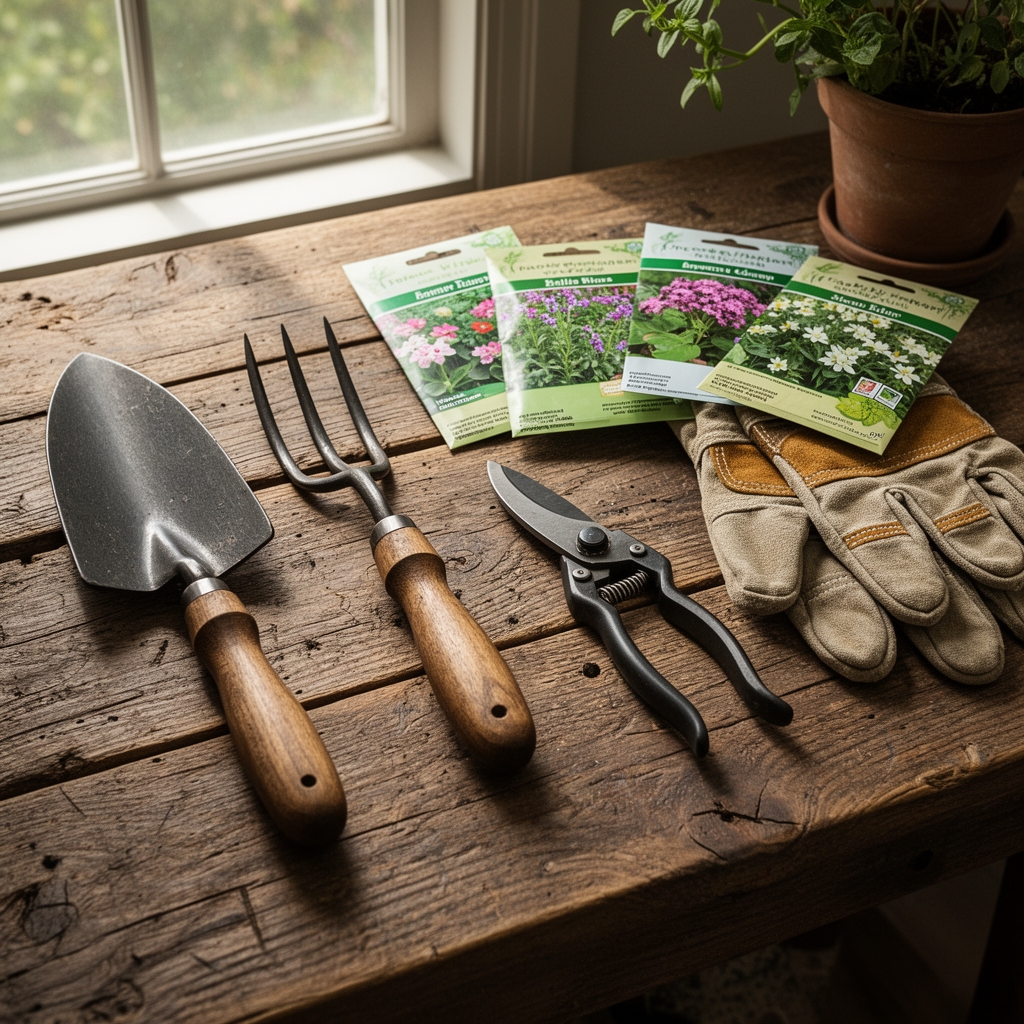
Take 4-6 inch stem cuttings from healthy parent plants using sterile pruning shears. Make cuts at 45-degree angles just below a node where auxin concentration peaks. Remove lower leaves and dip cut ends in rooting hormone containing 0.3% indole-3-butyric acid.
Insert cuttings 2 inches deep into moistened propagation mix of 50% perlite and 50% peat moss. Maintain 75-80°F bottom heat using seedling mats and 85-90% humidity with clear plastic domes. Roots develop within 3-6 weeks depending on genus.
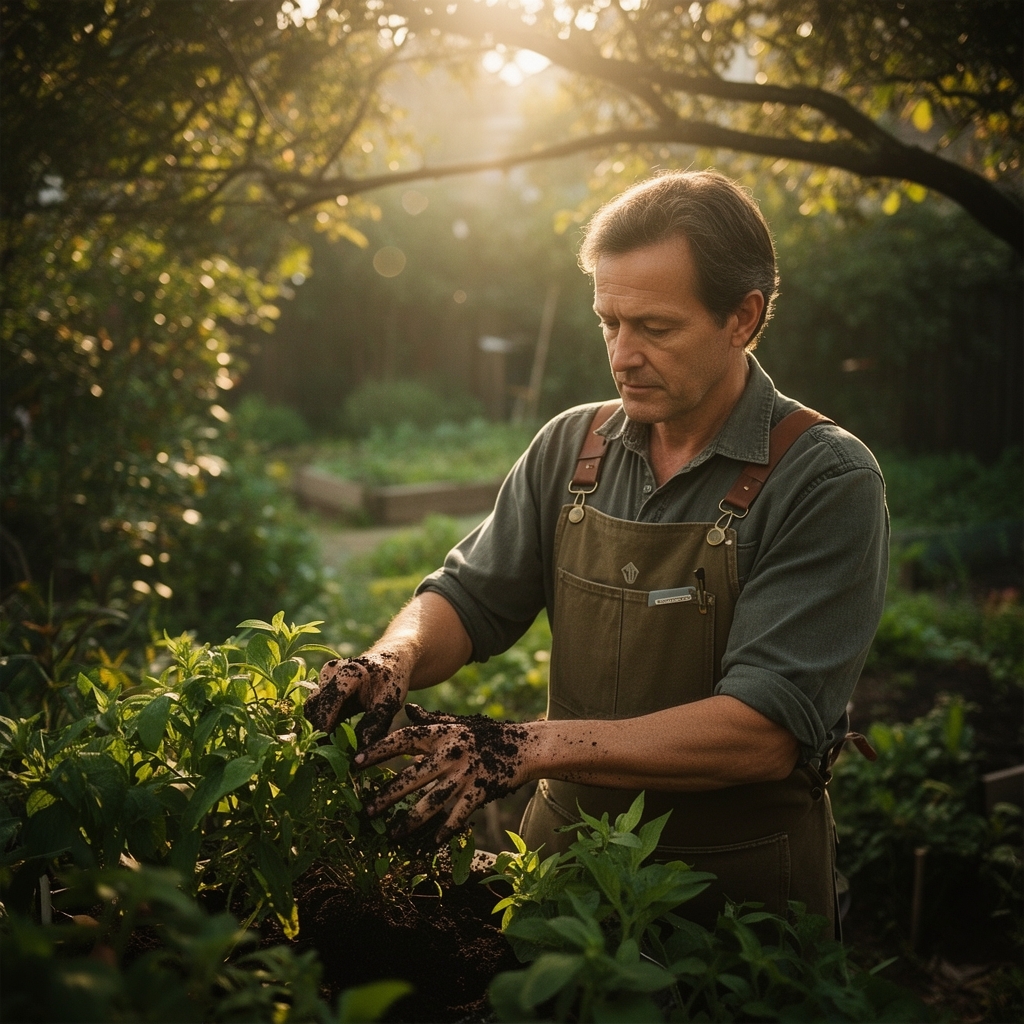
Pro-Tip: Apply diluted fish emulsion at 1/4 strength once roots reach 1 inch length to accelerate foliar development without burning tender tissue.
Transplanting
Move rooted cuttings to 6-inch pots when root systems reach the container perimeter. Handle root balls gently to preserve mycorrhizal associations. Plant at the same depth as in propagation containers to prevent stem rot from buried tissue.
Water with 1 cup of diluted compost tea to inoculate substrate with beneficial bacteria that suppress Pythium and Phytophthora pathogens. Place pots in east-facing windows receiving 4-6 hours of direct morning sun, which stimulates compact growth without scorching.
Pro-Tip: Pinch terminal buds when plants reach 6 inches tall, removing the top 1/4 inch to force lateral branching and increase future flower sites by 40-60%.
Establishing Mature Plants
Repot annually in spring, increasing container size by 2 inches in diameter. Root-bound conditions stress plants and reduce fragrance compound production. Prune dead wood and crossing branches at 30-degree angles to encourage outward growth and air circulation.
Top-dress with 2 tablespoons of bone meal (3-15-0) per 6-inch pot in early spring to boost phosphorus for flower bud initiation. Apply folsom spray of magnesium sulfate at 1 teaspoon per gallon monthly to prevent chlorosis that reduces photosynthetic capacity.
Pro-Tip: Mist foliage with distilled water at 50% humidity or higher to keep stomata open, allowing maximum terpene release during bloom cycles.
Troubleshooting
Symptom: Yellow leaves with green veins appearing first on new growth.
Solution: Iron deficiency caused by alkaline substrate. Drench soil with chelated iron at 1 tablespoon per gallon water. Adjust pH to 6.0-6.5 using sulfur amendments.
Symptom: Sticky honeydew on leaves with white cottony masses at nodes.
Solution: Mealybug infestation. Swab insects with 70% isopropyl alcohol on cotton swabs. Spray entire plant with neem oil at 2 tablespoons per gallon water weekly for 3 weeks.
Symptom: Bud drop before flowers open fully.
Solution: Ethylene gas accumulation from overripe fruit nearby or temperature fluctuations exceeding 15 degrees. Remove ethylene sources and stabilize ambient temperature with thermostatic controls.
Symptom: Brown leaf tips and margins progressing inward.
Solution: Salt accumulation from over-fertilization or fluoridated water. Flush pots with distilled water at 3 times container volume. Switch to rainwater or reverse osmosis water for irrigation.
Symptom: Powdery white coating on leaf surfaces reducing photosynthesis.
Solution: Powdery mildew fungus thriving in high humidity with poor air circulation. Increase airflow with oscillating fans. Spray with potassium bicarbonate solution at 1 tablespoon per gallon weekly until resolved.
Maintenance
Water when the top 1 inch of substrate feels dry to touch, typically every 4-7 days depending on temperature and humidity. Apply 1 inch of water per irrigation event, allowing 10% to drain from bottom holes to prevent salt buildup.
Feed every 2 weeks during spring and summer with liquid fertilizer at 1/2 manufacturer's recommended strength. Reduce feeding to monthly in fall and winter when growth slows and light intensity decreases.
Rotate containers 90 degrees weekly to ensure even light exposure on all sides. This prevents phototropic leaning and maintains symmetrical canopy development for uniform flowering.
Deadhead spent blooms by cutting stems back to the first set of healthy leaves. This redirects auxin to lateral buds and can extend blooming periods by 2-4 weeks in repeat-flowering species.
Monitor for spider mites weekly by examining leaf undersides with a hand lens. Early detection allows treatment with insecticidal soap before populations explode in dry indoor conditions.
FAQ
How long until fragrant plants bloom indoors?
Jasmine blooms 8-12 months after rooting, gardenia requires 12-18 months, and hoya may take 2-3 years to reach reproductive maturity. Adequate light accelerates timeline by 20-30%.
Why do flowers have no scent?
Low light below 1500 lumens reduces terpene synthesis. Inadequate phosphorus limits essential oil production. Raise light levels and apply bone meal at 1 tablespoon per 6-inch pot.
Can I grow fragrant plants in low light?
Most aromatic species require minimum 1500 lumens for 6 hours daily. Consider low-light tolerant orchids like Phalaenopsis or supplement with 40-watt LED grow bulbs positioned 12 inches above foliage.
How often should I repot fragrant plants?
Repot annually for fast growers like jasmine, every 18-24 months for gardenias and hoyas. Signs requiring immediate repotting include roots circling the surface and water running straight through without absorption.
What causes leggy growth with few flowers?
Insufficient light intensity causes etiolation. Plants stretch toward light sources while producing minimal reproductive structures. Move to brighter locations or add supplemental lighting at 2500-3000 lumens for 10-12 hours daily.