5 Vital Steps to Track Leaf miners
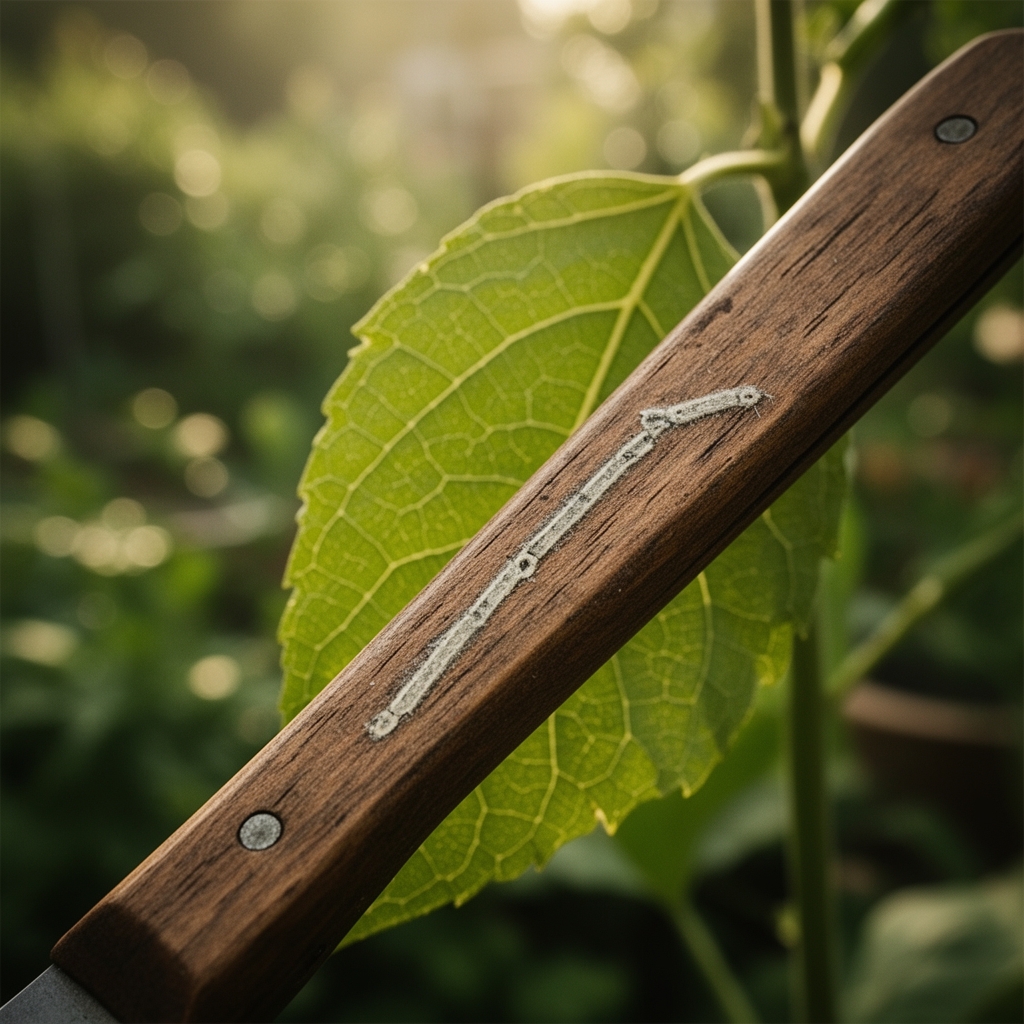
Leaf miners carve pale, winding trails through spinach, tomato, and ornamental foliage, leaving translucent scars that reveal the larvae feeding between epidermal layers. These serpentine galleries reduce photosynthetic capacity by 30 to 60 percent in heavily infested crops. Growers who implement structured steps to track leaf miners gain early detection windows, reducing insecticide applications by half while preserving beneficial parasitoid populations. The key is systematic observation paired with threshold-based intervention.
Materials
Monitoring leaf miners requires minimal equipment with maximum precision. Start with a 10x hand lens for identifying larval instars and frass patterns within leaf tissue. Yellow sticky traps (3 by 5 inches) capture adult dipteran miners, particularly Liriomyza species. Mount traps 4 inches above the canopy in a grid pattern, one trap per 100 square feet. Label each trap with a permanent marker and inspection date.
A field notebook or smartphone application records gallery counts, leaf position, and environmental data. Include a soil pH meter and NPK test kit. Leaf miner pressure correlates with nitrogen excess, especially when foliar tissue exceeds 4.5 percent N on a dry-weight basis. Plants grown in soils with balanced 4-4-4 organic amendments (feather meal, bone meal, kelp) show 40 percent fewer mines compared to synthetically fertilized plots with 10-5-5 ratios. Calcium sufficiency (soil pH 6.2 to 6.8) strengthens cell walls, creating thicker mesophyll that slows larval tunneling.
A jeweler's forceps helps extract larvae for species confirmation. Liriomyza trifolii (American serpentine leaf miner) and L. sativae (vegetable leaf miner) differ in host range and insecticide susceptibility. A 30x digital microscope or stereoscope provides definitive identification.
Timing
Begin steps to track leaf miners two weeks before the last spring frost date in USDA Hardiness Zones 5 through 9. Adult flies emerge when soil temperatures reach 50°F at a 2-inch depth. In Zone 7, this corresponds to mid-March. Zones 9 and 10 require year-round vigilance, with peak activity in October through April when daytime highs reach 70 to 80°F.
Install sticky traps at transplant or direct-seeding. Adult females oviposit within 48 hours of emergence. Early trap catches indicate threshold risk before visible mines appear. In commercial operations, deploy traps at 10 percent crop cover and maintain through final harvest.
Phases

Sowing and Early Growth
Inspect cotyledons and first true leaves every three days. Leaf miner galleries on cotyledons reduce seedling vigor by disrupting auxin distribution from shoot apices. Count mines per plant on 10 sentinel individuals scattered across the planting area. If 20 percent of seedlings show two or more mines, apply Diglyphus isaea parasitic wasps at 1 per square foot.
Pro-Tip: Mix mycorrhizal fungi inoculant (5 grams per transplant hole) at planting. Colonized roots increase phosphorus uptake, producing thicker cuticles that reduce oviposition success by 25 percent.
Transplanting and Establishment
Mark five representative plants with colored tape. Photograph the same five leaves on each plant weekly, documenting gallery length and pattern. Measure galleries with a ruler to the nearest millimeter. Larvae complete development in 7 to 21 days depending on temperature. Galleries exceeding 30 mm indicate third-instar larvae nearing pupation.
Check leaf undersides at dawn when adults are least active. Oviposition punctures appear as small white stipples, 1 mm in diameter, clustered along midribs. Ten punctures per leaf signals economic threshold in high-value crops like chard and beet greens.
Pro-Tip: Prune lower leaves at a 45-degree angle, removing the bottom 6 inches of foliage. This eliminates pupation sites in soil cracks and improves airflow, reducing humidity that favors fungal pathogens entering through mine wounds.
Maturation and Harvest
Intensify trap inspection to twice weekly as fruiting or heading begins. Record cumulative trap counts on a spreadsheet. A sudden tripling of adult captures predicts a generation spike within 10 days. Rotate trap positions 3 feet north or south weekly to avoid local depletion zones.
Pro-Tip: Apply foliar sprays of 2 percent neem oil (azadirachtin content 1,500 ppm minimum) at 7-day intervals when traps exceed 5 adults per trap per week. Spray at dusk to minimize UV degradation and pollinator contact.
Troubleshooting
Symptom: Galleries turn brown and necrotic within 48 hours.
Solution: Secondary infection by Alternaria or Botrytis. Increase potassium to 200 ppm soil solution using sulfate of potash (0-0-50). Prune infected leaves and compost hot (140°F core temperature).
Symptom: Mines appear but no larvae present.
Solution: Parasitoid activity, likely Dacnusa sibirica. Document parasitism rate by dissecting 20 mines. If 60 percent contain parasitoid pupae, delay insecticide applications.
Symptom: Sticky traps capture no adults despite visible mines.
Solution: Trap color mismatch or expired adhesive. Replace with fresh yellow traps (spectral peak 550 to 580 nm). Reapply adhesive monthly in dusty environments.
Symptom: Mines cluster on upper canopy leaves.
Solution: Excess nitrogen promotes succulent growth. Reduce applications by 30 percent. Side-dress with compost (1-1-1 NPK equivalent) instead of synthetic sources.
Maintenance
Irrigate in morning to dry foliage by noon, reducing humidity that extends adult flight periods. Deliver 1 inch of water per week via drip lines, maintaining soil moisture at 60 to 70 percent field capacity. Overhead watering spreads frass-contaminated moisture, increasing bacterial soft rot risk.
Mulch with 2 inches of aged wood chips (C:N ratio 80:1) to suppress pupae in soil. Cultivate shallowly (1 inch depth) weekly to disrupt pupal chambers. Rotate crops annually to non-host families. Brassicaceae, Fabaceae, and Amaranthaceae are primary hosts; follow with Poaceae (corn, sorghum) to break life cycles.
FAQ
How many leaf miner adults per trap indicate action?
Five adults per trap per week in vegetable crops, 10 per trap in ornamentals. Adjust thresholds downward by 50 percent for seedlings.
Can leaf miners overwinter in cold climates?
Pupae survive in Zone 7 and warmer under crop residue or shallow soil. In Zone 6 and colder, populations recolonize from southern regions or greenhouse transplants.
Do beneficial insects control leaf miners effectively?
Diglyphus isaea parasitizes 70 percent of larvae when released at first mine detection. Maintain banker plants like sweet alyssum to support generalist predators.
Should I remove mined leaves?
Yes, if mines cover more than 40 percent of leaf area. Prune promptly to prevent larval maturation and pupation in field margins.
What is the economic threshold for commercial greens?
One mine per leaf on 10 percent of harvestable plants. Higher thresholds apply to processing crops where cosmetic damage is tolerated.