9 Best Sub Base for Turf
The smell of damp earth and the tactile turgor of a healthy grass blade signify a successful installation; however, the long term health of any lawn depends entirely on the substrate. Selecting the best sub base for turf requires a deep understanding of soil mechanics and hydrological conductivity. Without a stable, porous foundation, the rhizosphere will suffer from anaerobic conditions and compaction. A professional installation demands a sub base that balances structural load bearing capacity with the capillary action necessary to sustain root life.
A superior turf system is not merely a surface layer of green; it is a biological engine powered by the soil profile beneath it. The substrate must facilitate rapid drainage while maintaining enough moisture to prevent permanent wilting point during peak evapotranspiration. Failure often occurs at the interface between the topsoil and the sub base. If the textures are too disparate, water will perch at the boundary, leading to root rot and fungal pathogens. Precision in selecting the best sub base for turf ensures that the grass can withstand heavy foot traffic without compromising the pore space required for gas exchange.
Materials:
The ideal substrate is a friable loam with a Cation Exchange Capacity (CEC) between 15 and 25 meq/100g. This range ensures the soil can hold and exchange essential nutrients like potassium, calcium, and magnesium. The pH must be strictly managed between 6.0 and 7.0 to maximize nutrient bioavailability. Outside of this range, phosphorus becomes chemically locked, regardless of how much fertilizer is applied.
For the nutrient profile, a baseline NPK ratio of 10-10-10 is standard for site preparation, though specialized turf bases often utilize a 5-10-5 ratio to encourage initial root development over excessive foliar growth. The physical texture should consist of 60 percent sand, 20 percent silt, and 20 percent clay. This specific "sandy loam" composition prevents the compaction common in high-clay soils while avoiding the rapid nutrient leaching associated with pure sand.
- Crushed Limestone (MOT Type 1): Provides high structural stability and excellent drainage. It typically has a high pH, which may require sulfur amendments to balance.
- Decomposed Granite: Offers a grit-heavy texture that facilitates rapid water movement.
- Sharp Sand: Essential for leveling and improving the drainage of the top 2 inches of the profile.
- Volcanic Ash/Pumice: High porosity materials that increase the water-holding capacity without sacrificing aeration.
- Class 2 Permeable Base: A specific engineering grade of aggregate that allows for vertical water migration at rates exceeding 4 inches per hour.
Timing:
Successful turf establishment is governed by the USDA Hardiness Zones and the local frost-date windows. In Zones 4 through 7, the primary window for establishing the sub base and sowing cool-season grasses (Fescue, Bluegrass) is late summer to early autumn. Soil temperatures must remain between 50 and 65 degrees Fahrenheit for optimal germination and root extension.
The "Biological Clock" of the turf involves a transition from the vegetative stage to a dormant state as the photoperiod shortens. If the sub base is installed too late in the season, the grass will not achieve sufficient root depth to survive the heave-thaw cycles of winter. For warm-season grasses (Bermuda, Zoysia) in Zones 8 through 11, the installation window shifts to late spring when soil temperatures consistently exceed 65 degrees Fahrenheit. This ensures the plant enters its peak metabolic state during the long days of the summer solstice.
Phases:

Sowing and Site Prep
The sub base must be compacted to 85 to 90 percent of its maximum dry density. Over-compaction leads to a lack of macropores, which are essential for oxygen diffusion to the roots. The surface should be graded to a 1 to 2 percent slope away from structures to prevent hydraulic loading.
Pro-Tip: Incorporate mycorrhizal fungi into the top 3 inches of the sub base. This creates a mycorrhizal symbiosis where fungal hyphae extend the root system's reach by up to 100 times, significantly increasing the uptake of immobile nutrients like phosphorus.
Transplanting (Sodding)
When laying sod over the best sub base for turf, ensure the "green side" makes 100 percent contact with the substrate. Use a water-filled roller to eliminate air pockets. Air pockets act as thermal insulators that can desiccate the tender primary roots before they penetrate the sub base.
Pro-Tip: Apply a light dusting of humic acid before laying sod. Humic acid increases the CEC of the soil interface, facilitating the rapid transfer of cations and reducing the transplant shock caused by sudden changes in the rhizosphere environment.
Establishing
During the first 21 days, the focus is on maintaining turgor pressure. The sub base must remain moist but not saturated. As the roots penetrate deeper, the frequency of irrigation should decrease while the volume increases to encourage downward root geotropism.
Pro-Tip: Avoid high-nitrogen fertilizers during the first 14 days to prevent auxin suppression. Excessive nitrogen promotes rapid leaf elongation at the expense of root development; keeping nitrogen low forces the plant to invest energy into the root architecture.
The Clinic:
Physiological disorders often stem from sub base failures. Observe the root structure in the step-by-step photos below to identify these common issues.
- Symptom: Localized Dry Spot (LDS). The turf appears blue-gray and does not recover after watering.
- Solution: This is caused by hydrophobic organic acids coating the sand grains in the sub base. Apply a professional-grade wetting agent to break the surface tension and restore hydraulic conductivity.
- Symptom: Iron Chlorosis. Yellowing of young leaves while veins remain green.
- Fix-It: This often occurs in high-pH sub bases (above 7.5). Apply chelated iron and elemental sulfur to lower the pH and increase iron solubility.
- Symptom: Nitrogen Deficiency. General paling of the entire lawn and stunted growth.
- Fix-It: Apply a slow-release urea-based fertilizer. Ensure the sub base has sufficient organic matter to prevent future leaching of mobile nitrates.
- Symptom: Spongy Turf (Thatch Buildup). The surface feels bouncy, and the grass pulls up easily.
- Solution: This indicates poor gas exchange in the sub base. Use a core aerator to pull 3-inch plugs, allowing oxygen to reach the microbes that decompose organic matter.
Maintenance:
Precision maintenance requires data. Use a soil moisture meter daily during the establishment phase to ensure the root zone stays between 20 and 30 percent volumetric water content. Once established, provide 1.5 inches of water per week at the drip line; this should be delivered in two deep sessions rather than daily light mists.
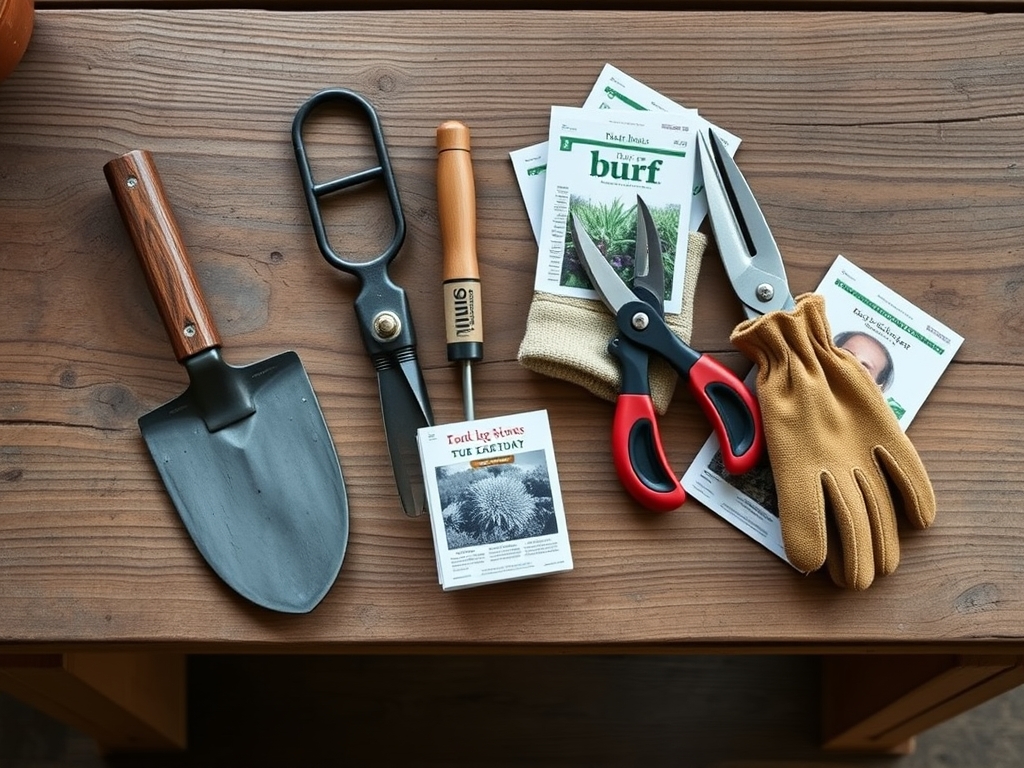
Utilize a hori-hori knife to take periodic soil profile samples. This allows you to visually inspect the root depth and check for "layering" in the sub base. If the roots are not penetrating past the first 2 inches, the sub base is likely too compacted. Use bypass pruners to trim any encroaching ornamental roots that might compete for nutrients in the turf's rhizosphere.
The Yield:
While turf is not "harvested" in the traditional sense, the "yield" is measured in biomass and carbohydrate storage in the rhizomes. For high-performance turf, the clipping yield should be monitored. If you are growing turf for sod production, harvest when the root mat is thick enough to support the weight of the soil profile without tearing. Post-harvest, the sod must be kept in a shaded, high-humidity environment and installed within 24 hours to maintain "day-one" freshness and cellular turgor.
FAQ:
What is the best sub base for turf in clay areas?
A 6-inch layer of compacted crushed stone topped with 2 inches of sharp sand is best. This creates a capillary break that prevents the heavy clay from saturating the turf roots and causing anaerobic rot.
How deep should the sub base be?
For residential lawns, a total depth of 6 to 8 inches is required. High-traffic areas or sports pitches require a deeper profile of 10 to 12 inches to ensure adequate drainage and structural integrity under load.
Can I use plain topsoil as a sub base?
No. Plain topsoil lacks the structural stability and drainage rates required for a professional sub base. It will compact over time, leading to poor oxygen diffusion and the eventual death of the turf's root system.
How do I fix a sub base that drains too slowly?
Perform core aeration and top-dress with calcined clay or coarse sand. These materials migrate into the aeration holes, creating permanent channels for water and oxygen to reach the deeper layers of the substrate.