10 Easy Ways How to Design a Low Maintenance Yard
The scent of damp, decaying organic matter signifies a healthy carbon-to-nitrogen ratio in the soil. When you press a thumb against the blade of a leaf, the resistance you feel is turgor pressure; this is the internal cellular force that maintains plant structure. Learning how to design a low maintenance yard requires transitioning from a reactive gardener to a proactive land manager. By selecting species with high drought tolerance and optimizing the soil profile, you reduce the need for constant intervention.
Efficiency in the landscape is a matter of physics and biology. Every hour spent weeding is a failure of ground-cover density or mulch depth. To master how to design a low maintenance yard, you must prioritize permanent structural plantings over high-input annuals. This approach relies on understanding the Cation Exchange Capacity (CEC) of your substrate. A higher CEC allows the soil to hold onto essential nutrients like potassium and magnesium, preventing the leaching that necessitates frequent fertilization. We will focus on establishing a self-sustaining ecosystem that thrives on minimal supplemental irrigation and pruning.
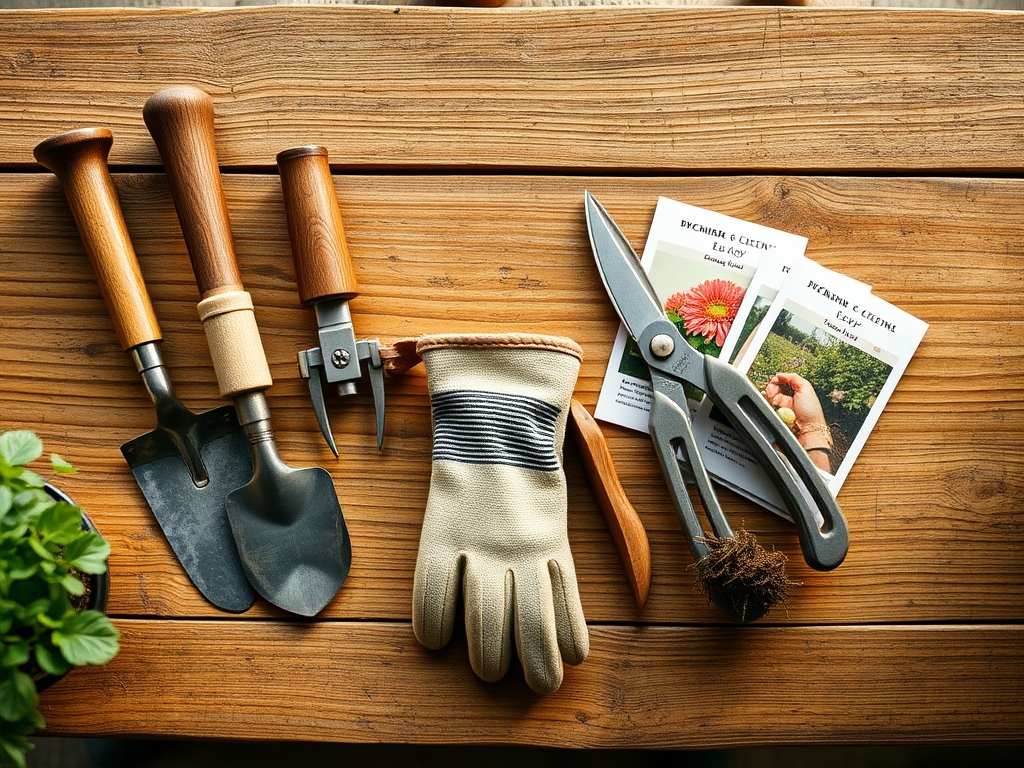
Materials:
The foundation of a low-maintenance landscape is a friable loam with a balanced pore space for oxygen and water retention. Aim for a soil pH between 6.2 and 6.8 to ensure maximum nutrient bioavailability.
- Base Substrate: A mixture of 40 percent sand, 40 percent silt, and 20 percent clay provides the ideal texture. This prevents compaction while maintaining sufficient capillary action.
- Organic Matter: Incorporate composted leaf mold to achieve a 5 percent organic matter threshold. This fuels the rhizosphere and improves the CEC.
- NPK Ratios: For establishment, utilize a slow-release 10-10-10 granular fertilizer. Once woody perennials are established, shift to a high-potassium 5-10-15 blend to encourage root lignification and cold hardiness rather than excessive, weak vegetative growth.
- Mulch: Apply 3 inches of double-shredded hardwood mulch. This suppresses weed germination by blocking light from reaching the soil surface and regulates soil temperature fluctuations.
Timing:
Successful installation depends on the Biological Clock of your specific Hardiness Zone. In Zones 5 through 7, the primary planting window occurs when soil temperatures reach a consistent 55 degrees Fahrenheit. This usually aligns with the period between the last spring frost and the summer solstice.
Planting during the autumnal transition, approximately 6 weeks before the first hard freeze, is often superior for woody perennials. During this phase, the plant enters a period of senescence for its deciduous components while diverting carbohydrates to root development. The lack of high ambient heat reduces transpiration stress, allowing the root system to establish without the demand for massive water uptake. Monitoring the photoperiod is essential; as day length decreases, plants naturally shift energy from auxin-driven apical growth to sturdier root structures.
Phases:
Sowing and Ground Preparation
Clear the site of all competitive vegetation using a mechanical sod cutter or sheet mulching. Ensure the grade slopes away from structures at a minimum of 2 percent to prevent anaerobic soil conditions. If using seed for a low-mow fescue blend, broadcast at a rate of 5 pounds per 1,000 square feet.
Pro-Tip: Utilize the principle of allellopathy. Certain ground covers, such as Creeping Thyme, release biochemicals that inhibit the germination of competing weed seeds. This biological defense reduces your manual labor by creating a chemical barrier in the top centimeter of soil.
Transplanting
When moving containerized shrubs into the landscape, excavate a hole two times wider than the root ball but no deeper. The flare of the trunk must remain visible at the soil line. If the roots are "pot-bound," use a hori-hori knife to make vertical scores in the root mass.
Pro-Tip: Inoculate the planting hole with mycorrhizal fungi. This creates a symbiotic relationship where the fungi extend the reach of the root system by up to 100 times, significantly increasing the plant's ability to scavenge for phosphorus and water during droughts.
Establishing
During the first 365 days, the goal is to maintain consistent moisture without saturation. Check the soil daily using a soil moisture meter. If the meter reads below 30 percent at a depth of 4 inches, supplemental irrigation is required.
Pro-Tip: Avoid high-nitrogen fertilizers during the first three months. High nitrogen triggers auxin suppression of root growth in favor of rapid leaf expansion. For a low-maintenance yard, you want a high root-to-shoot ratio to ensure long-term survival with zero intervention.
The Clinic:
Physiological Disorders
- Symptom: Interveinal chlorosis (yellowing between green veins) on new growth.
Solution: This indicates an Iron deficiency, often caused by a pH above 7.2. Lower the pH using elemental sulfur to make iron soluble again. - Symptom: Marginal leaf burn or "scorching" on older leaves.
Solution: This is typically a Potassium deficiency. Apply a sulfate of potash (0-0-50) at a rate of 1 pound per 1,000 square feet. - Symptom: Stunted growth with purple tinting on the underside of leaves.
Solution: This signifies Phosphorus deficiency, common in cold, wet soils where microbial activity is low. Increase soil aeration to improve uptake.
Fix-It Section: Nitrogen Chlorosis
If the entire plant appears pale green or yellow, starting from the bottom up, it is suffering from Nitrogen deficiency. Apply a quick-release liquid fertilizer with a 20-0-0 ratio to restore chlorophyll production. Long-term, incorporate clover into the landscape to facilitate biological nitrogen fixation through Rhizobium bacteria in root nodules.
Maintenance:
A truly low-maintenance yard requires precision, not frequency. Deliver 1.5 inches of water per week during the growing season, applied directly at the drip line of the plants. Use a soaker hose or drip emitters to keep foliage dry, which prevents fungal pathogens from colonizing the leaf surface.
Pruning should be minimal. Use sharp bypass pruners to remove the "Three Ds": dead, damaged, or diseased wood. Make cuts at a 45-degree angle just above a lateral bud to promote healing without leaving a "stub" that can rot. For perennials, allow the stalks to remain standing through winter. This protects the crown from ice and provides a habitat for beneficial predatory insects that will manage pest populations in the spring.
The Yield:
When harvesting herbs or flowers from your low-maintenance landscape, timing is critical for cellular integrity. Harvest in the early morning when turgor pressure is at its peak. Use a sharp blade to ensure a clean cut that doesn't crush the vascular bundles (xylem and phloem).
Post-harvest, immediately plunge the stems into 40-degree Fahrenheit water. This "hydro-cooling" process removes field heat and slows the rate of respiration, preserving the essential oils and sugars within the plant tissue. For woody stems, a slight crush at the base of the cutting can increase the surface area for water uptake, extending the "day-one" freshness for up to two weeks.
FAQ:
What is the best grass for a low maintenance yard?
Fine fescues or Buffalo grass are ideal. They require only 1 inch of water every two weeks and have a slow vertical growth rate, reducing mowing frequency to once per month or less in most climates.
How do I stop weeds without using chemicals?
Maintain a 3-inch layer of organic mulch and use high-density planting. When plants achieve "canopy closure," they shade the soil, preventing weed seeds from receiving the light signals required for germination.
How often should I fertilize my shrubs?
Once per year in early spring is sufficient. Use a slow-release formula with a balanced NPK like 10-10-10. Over-fertilizing creates weak, succulent growth that attracts pests and requires more frequent pruning.
Can I design a low maintenance yard in the shade?
Yes. Utilize shade-tolerant groundcovers like Pachysandra or Hostas. These species have evolved with large leaf surface areas to maximize photosynthetic efficiency in low-light environments, requiring almost no supplemental care once established.