7 Best Butterwort Pinguicula Tips
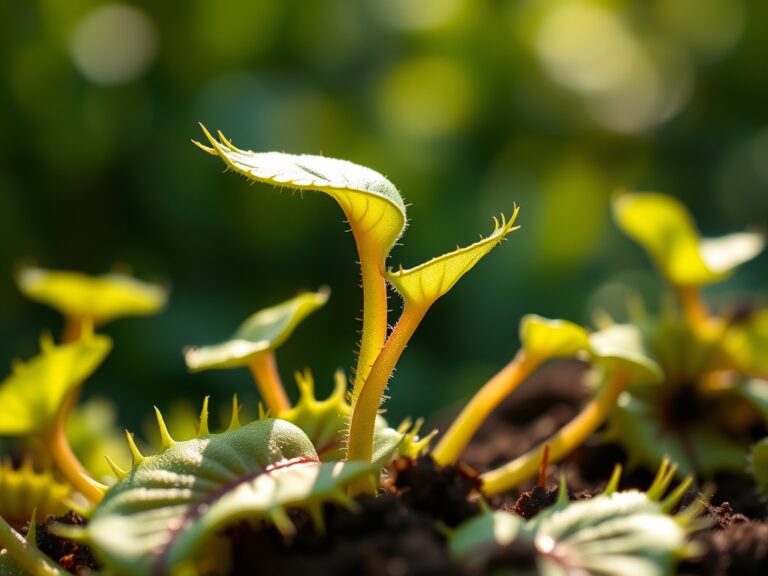
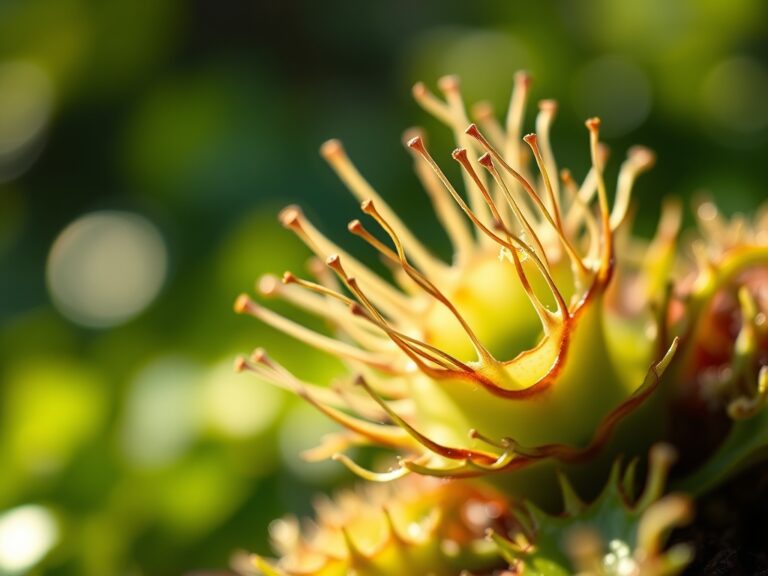
The distinct scent of moist silica sand and decomposing sphagnum peat signals a stable environment for carnivorous flora. A healthy Pinguicula leaf displays high turgor pressure; its succulent surface is coated in mucilage that glistens like dew under intense light. Mastering the best butterwort pinguicula tips requires a shift from traditional gardening to precision chemistry. These plants thrive where mineral salts are absent and the rhizosphere remains oxygenated. Success depends on replicating the limestone seeps or volcanic cliffs of their native habitats.
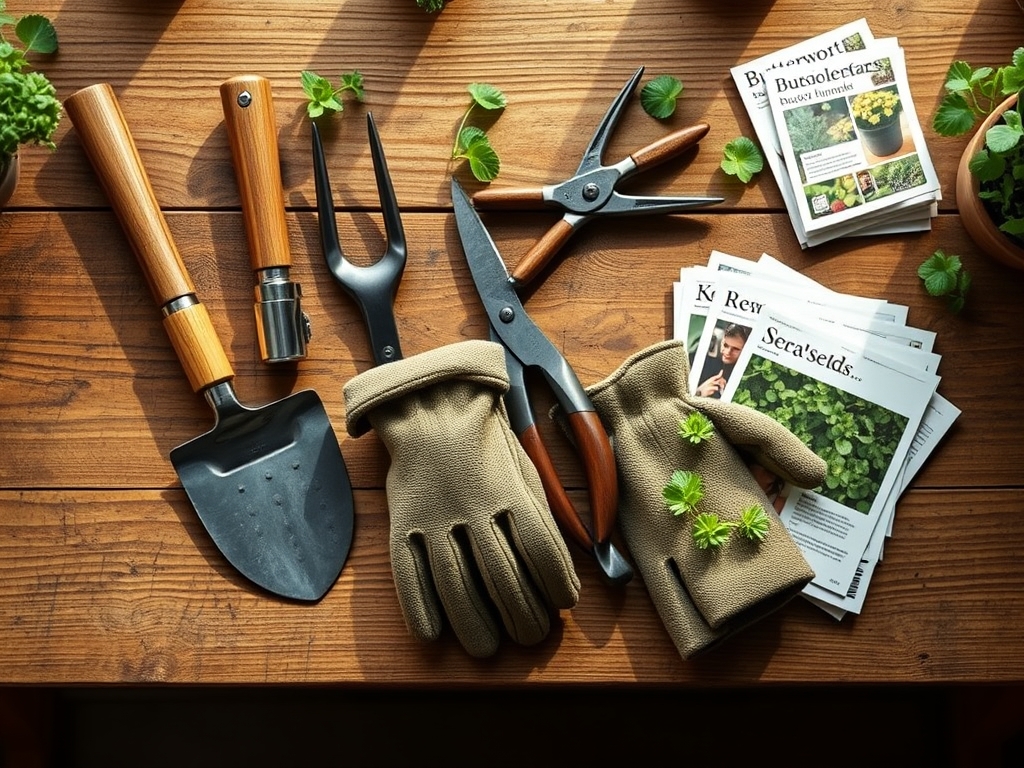
Materials:
Pinguicula species generally fall into two categories: Mexican (calciphilic) and Temperate. For Mexican varieties, the substrate must be highly mineralized and porous. Use a mix of one part perlite, one part silica sand, and one part crushed coral or pumice. This creates a friable medium with a pH range of 7.0 to 8.0. The Cation Exchange Capacity (CEC) of this mix is low; the plant relies on foliar absorption rather than root uptake for nutrients.
Avoid standard fertilizers with high NPK ratios. A typical 10-10-10 synthetic fertilizer will cause osmotic shock and root death. If supplemental feeding is necessary, use a highly diluted orchid fertilizer at 1/4 strength (approximate NPK 5-1-1) applied only to the leaves. For temperate species, use a substrate of 50% long-fiber sphagnum moss and 50% perlite with a pH of 5.0 to 6.0. The physical texture should be airy and gritty to prevent anaerobic conditions around the delicate, shallow root systems.
Timing:
Temperate Pinguicula species are hardy in USDA Zones 4 through 8. These plants require a distinct winter dormancy triggered by a photoperiod of less than 10 hours of light. Frost dates are critical; while the plants can survive freezing temperatures in a dormant state (hibernacula), a late spring frost during the transition to vegetative growth can rupture cell walls.
The biological clock of a Mexican Pinguicula is driven by moisture rather than temperature. In late autumn, as humidity drops, the plant undergoes a morphological shift from carnivorous leaves to a non-carnivorous succulent rosette. This transition marks the end of the reproductive stage and the beginning of the dry dormancy. Do not force growth during this phase; the plant is conserving energy for the spring flowering cycle.
Phases:

Sowing
Spread the microscopic seeds across the surface of a finely milled peat and sand mix. Do not cover them. They require light to trigger germination. Maintain a temperature of 70 to 75 degrees Fahrenheit and 80% relative humidity.
Pro-Tip: Utilize a distilled water mist to keep the seeds hydrated. This maintains the surface tension required for the radical to penetrate the substrate. The biological why: Pinguicula seeds are photoblastic; they contain minimal endosperm and require immediate photosynthesis upon germination to survive.
Transplanting
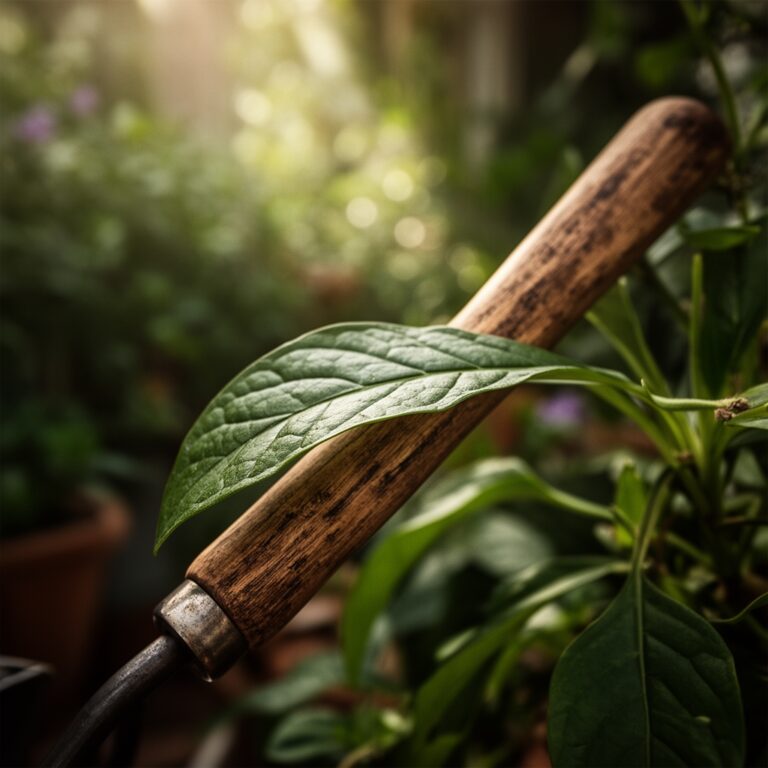
Move seedlings or leaf cuttings only when they have established at least four true leaves. Use a hori-hori knife to gently lift the shallow root system without disturbing the delicate root hairs. Place the plant in a pre-moistened hole in the mineral substrate.
Pro-Tip: Dust the roots with a light coating of mycorrhizal fungi if using a peat-based mix. The biological why: This symbiotic relationship increases the surface area for water absorption, compensating for the plant's naturally weak root structure.
Establishing
During the first 21 days post-transplant, maintain constant moisture. Use a soil moisture meter to ensure the substrate remains at a "Level 4" (moist but not saturated). Gradually increase light intensity to reach 12 to 14 hours of bright, indirect light.
Pro-Tip: Avoid overhead watering to prevent the washing away of mucilage. The biological why: Mucilage production is energy-intensive; constant loss of these digestive enzymes leads to metabolic exhaustion and eventual senescence of the leaf.
The Clinic:
Pinguicula are sensitive to environmental shifts. Monitor these physiological disorders closely:
- Symptom: Crown Rot (Browning at the center of the rosette).
- Solution: Reduce water immediately. Ensure the substrate has at least 30% aeration components like perlite or pumice. Increase airflow with a small fan.
- Symptom: Etiolation (Elongated, pale leaves).
- Solution: Increase light intensity. Mexican Pinguicula require at least 10,000 lux for optimal pigment development and compact growth.
- Symptom: Lack of Mucilage (Dry leaf surface).
- Solution: Increase ambient humidity to above 50%. Check for high dissolved solids in water; use only water with less than 50 ppm (parts per million) of total dissolved solids.
Fix-It for Nutrient Deficiency: If the plant shows Nitrogen chlorosis (yellowing of older leaves), do not add fertilizer to the soil. Instead, place a single fruit fly or a small speck of dried bloodworm on a leaf. The plant will utilize its proteolytic enzymes to break down the protein and absorb nitrogen directly through the leaf cuticle.
Maintenance:
Precision is required for long-term health. For Mexican species during the summer growth phase, maintain the "tray method" with 0.5 inches of distilled water at the base of the pot. During the winter succulent phase, reduce watering to once every 14 to 21 days. For temperate species, keep the substrate consistently damp with approximately 1.5 inches of water per week.
Use bypass pruners to remove spent flower stalks at the base once they have turned brown. This prevents fungal pathogens from colonizing dead tissue. If the plant becomes "perched" on a tall stem of old leaves, use a sharp blade to decapitate the rosette and re-root it in fresh substrate. This rejuvenation maintains the plant's proximity to the moisture film of the soil.
The Yield:
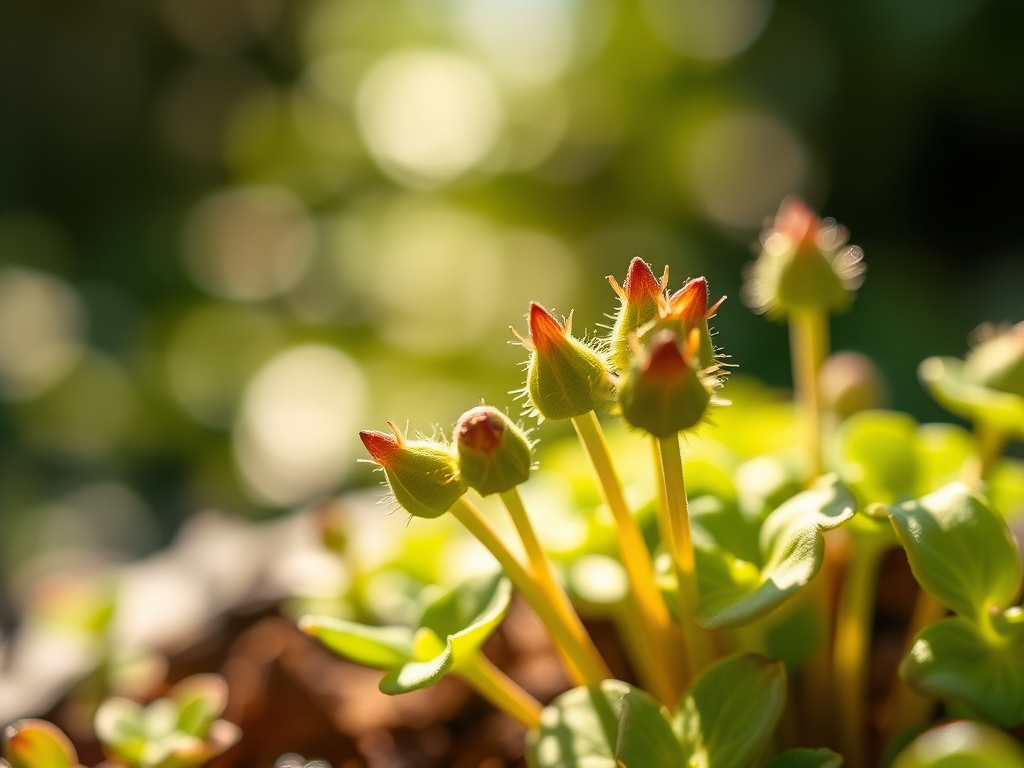
While not edible, the "yield" of a Pinguicula is its seed production and aesthetic form. To harvest seeds, wait until the seed pod turns brown and begins to crack. Use a fine-tipped forceps to remove the pod and shake the seeds onto a white sheet of paper. For day-one freshness in a display, ensure the plant has been fed within the last 7 days to maximize mucilage production and leaf turgor.
FAQ:
Why is my Pinguicula turning into a succulent?
This is a natural response to decreased photoperiod and humidity. The plant enters a dry dormancy. Reduce watering to prevent rot during this phase. It will return to carnivorous growth when light and moisture increase.
Can I use tap water for my Butterwort?
No. Tap water contains minerals and chlorine that cause salt buildup in the substrate. This leads to root burn and death. Use only distilled water, rainwater, or reverse osmosis water with under 50 ppm.
How do I get more "dew" on the leaves?
Increase the light intensity and humidity. Mucilage production is a byproduct of high metabolic activity. If the plant is in a low-light or low-humidity environment, it will conserve energy by ceasing enzyme production.
What is the best pot for a Pinguicula?
Plastic or glazed ceramic pots are ideal. They are inert and do not leach minerals into the soil. Avoid unglazed terra cotta, as it allows for rapid evaporation and mineral accumulation on the pot walls.