9 Vital Steps to Bare Root Planting
The cold soil crumbles between your fingers as you unwrap the first bare root specimen, its dormant wood releasing an earthy scent of potential. Many gardeners fail at this critical juncture because they treat bare root planting as merely digging and covering. The steps to bare root planting demand precision timing, proper root hydration, and an understanding of auxin distribution patterns that determine whether your investment thrives or languishes. Each phase builds upon the previous, creating conditions for explosive spring growth.
Materials
Gather these supplies before removing plants from packaging:
Soil Amendments (pH 6.0-7.0 target):
- Aged compost or composted manure (N-P-K roughly 1-1-1)
- Bone meal (3-15-0) for phosphorus-dependent root development
- Alfalfa meal (2-1-2) providing slow-release nitrogen
- Sulfur or lime for pH adjustment based on soil test results
- Mycorrhizal inoculant powder containing Glomus species
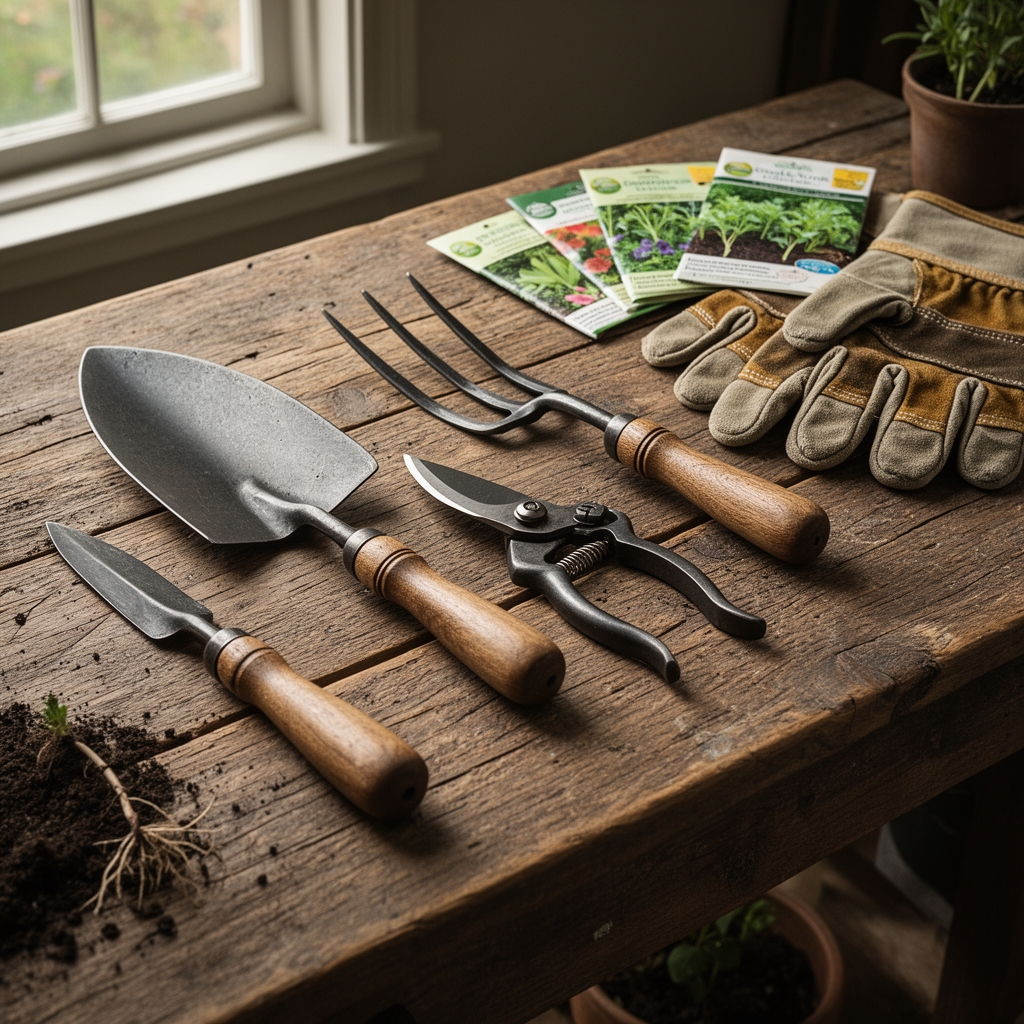
Tools and Structural Support:
- Spade or mattock for soil penetration to 18 inches
- Pruning shears sterilized with 10% bleach solution
- Five-gallon bucket for pre-planting hydration
- Measuring tape for accurate depth assessment
- Stakes (8 feet for trees, 4 feet for shrubs)
Water Management:
- Garden hose with adjustable flow
- Mulch material (shredded hardwood bark, 3-4 inch depth)
Timing
Plant bare root stock during full dormancy before bud swell begins. Cation exchange capacity in soil reaches optimal levels when ground temperature stabilizes between 40-50°F.
Hardiness Zone Schedule:
- Zones 3-5: Late March through mid-April
- Zones 6-7: February through March
- Zones 8-9: January through February
- Zones 10-11: December through January
Order bare root plants to arrive 1-2 weeks before your last expected frost date. Roots begin metabolic activity at 45°F soil temperature. Planting during this narrow window allows root establishment before leaf-out demands water and nutrients.
Phases
Preparation and Hydration
Submerge entire root system in water for 6-12 hours before planting. This rehydrates cells that lost 40-60% moisture during storage and shipping. Inspect for damaged, circling, or diseased roots. Prune these back to healthy white or cream-colored tissue using cuts angled at 45 degrees.
Pro-Tip: Add 1 tablespoon of kelp extract per gallon of soaking water. The cytokinins and auxins in kelp stimulate root hair development within 72 hours of planting.
Hole Construction and Planting
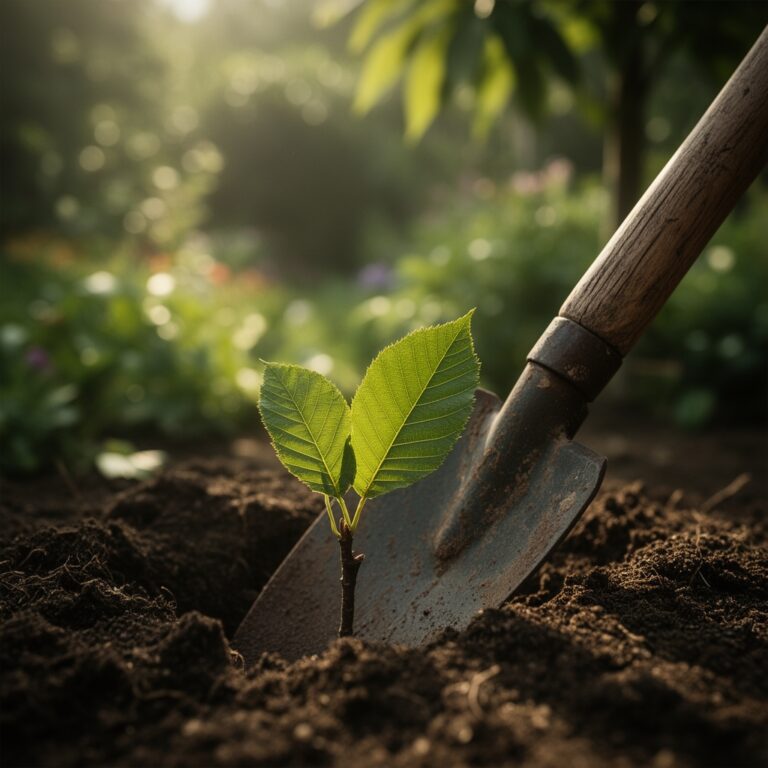
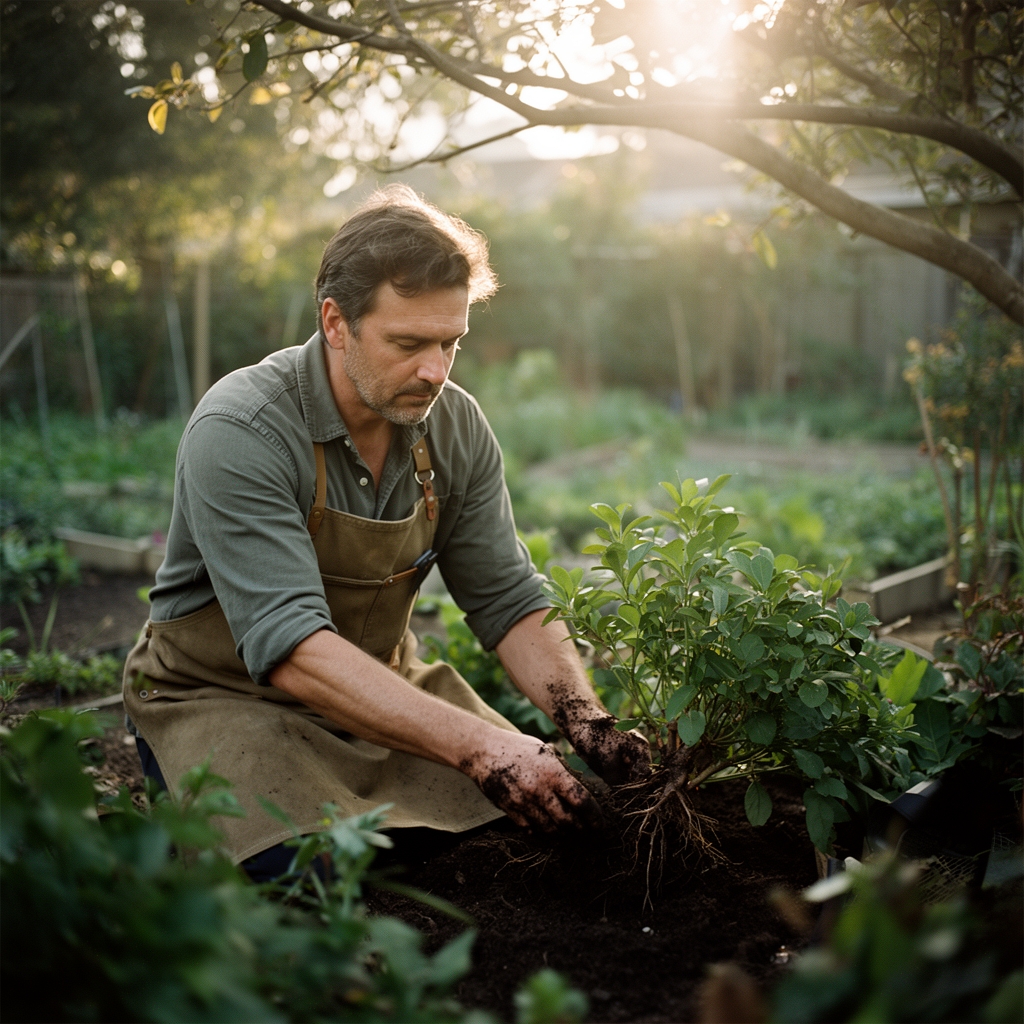
Dig holes twice the width of the root spread but no deeper than the root collar. The collar appears as a color change where roots meet stem. Create a cone of native soil mixed 50/50 with compost in the hole's center. Drape roots over this cone, spreading them radially to prevent J-rooting.
Position the root collar 1-2 inches above final grade. Soil settles 10-15% after initial watering. Backfill with amended soil in 4-inch layers, watering each layer to eliminate air pockets. Air pockets cause root desiccation and delayed establishment.
Apply mycorrhizal inoculant directly on root surfaces before backfilling. These fungal networks extend effective root absorption area by 100-1000 times baseline.
Pro-Tip: For grafted specimens, keep the graft union 4-6 inches above soil level. Buried unions allow scion rooting, defeating rootstock vigor advantages.
Staking and Initial Care
Install stakes 12 inches from trunk on the prevailing wind side. Use flexible ties that allow 1 inch of trunk movement. This movement stimulates callose formation and trunk taper development. Rigid staking produces weak, dependent stems.
Water immediately with 10-15 gallons for trees, 3-5 gallons for shrubs. This settling irrigation establishes root-to-soil contact necessary for water uptake.
Pro-Tip: Prune top growth by 20-30% to balance root loss during harvest. Remove crossing branches and maintain central leader dominance in fruit trees.
Troubleshooting
Symptom: Leaf margins turn brown within 3-4 weeks of planting.
Solution: Salt burn from over-fertilization or root desiccation. Increase irrigation frequency to twice weekly. Leach salts with deep watering (20 gallons per tree). Hold all fertilizer applications for 60 days.
Symptom: Buds break but leaves remain small and chlorotic.
Solution: Nitrogen deficiency or poor root establishment. Apply fish emulsion (5-1-1) at half-strength weekly. Verify soil temperature exceeds 50°F for nutrient uptake.
Symptom: Stems show sunken, discolored cankers near soil line.
Solution: Phytophthora root rot from excessive moisture or planted too deep. Excavate soil to expose root collar. Improve drainage with 4-inch layer of coarse sand. Apply phosphorous acid fungicide per label directions.
Symptom: No bud break after 6 weeks in appropriate climate zone.
Solution: Dead or dormant tissue. Scratch bark with fingernail. Green cambium indicates viability. Brown or gray tissue confirms mortality. Contact supplier for replacement.
Maintenance
Apply 1 inch of water weekly during the first growing season, measured with rain gauge. Water deeply once per week rather than shallow daily irrigation. Deep watering encourages roots to explore lower soil horizons with stable moisture.
Maintain 3-4 inch mulch layer extending to the drip line but 6 inches away from trunk. Mulch moderates soil temperature fluctuations of 15-20°F and reduces competition from turf grass.
Begin fertilization in year two using balanced organic fertilizer (5-5-5) at 1 pound per inch of trunk diameter. Split applications between early spring and mid-summer.
Prune only dead, diseased, or crossing branches during establishment phase. Major structural pruning waits until year three when root system supports vigorous regrowth.
FAQ
How long until bare root plants establish?
Full establishment requires 1-2 years. Roots grow 12-36 inches per season depending on species, establishing the foundation for above-ground growth.
Can I plant bare root stock in summer?
No. Dormancy is non-negotiable. Leafed-out plants require constant moisture that bare roots cannot provide, resulting in 80-90% mortality.
Do I need to fertilize at planting?
Avoid high-nitrogen fertilizers at planting. Phosphorus from bone meal supports root development without forcing premature top growth.
What if roots appear dry on arrival?
Soak for 12-24 hours. Roots tolerate brief desiccation if rehydrated promptly. Refuse shipment only if roots are brittle and snap when bent.
How much should I prune at planting?
Remove 20-30% of top growth to compensate for root loss during harvest. Focus on damaged branches and those creating narrow crotch angles below 45 degrees.