8 Simple Ways How to Kill Fungus Gnats
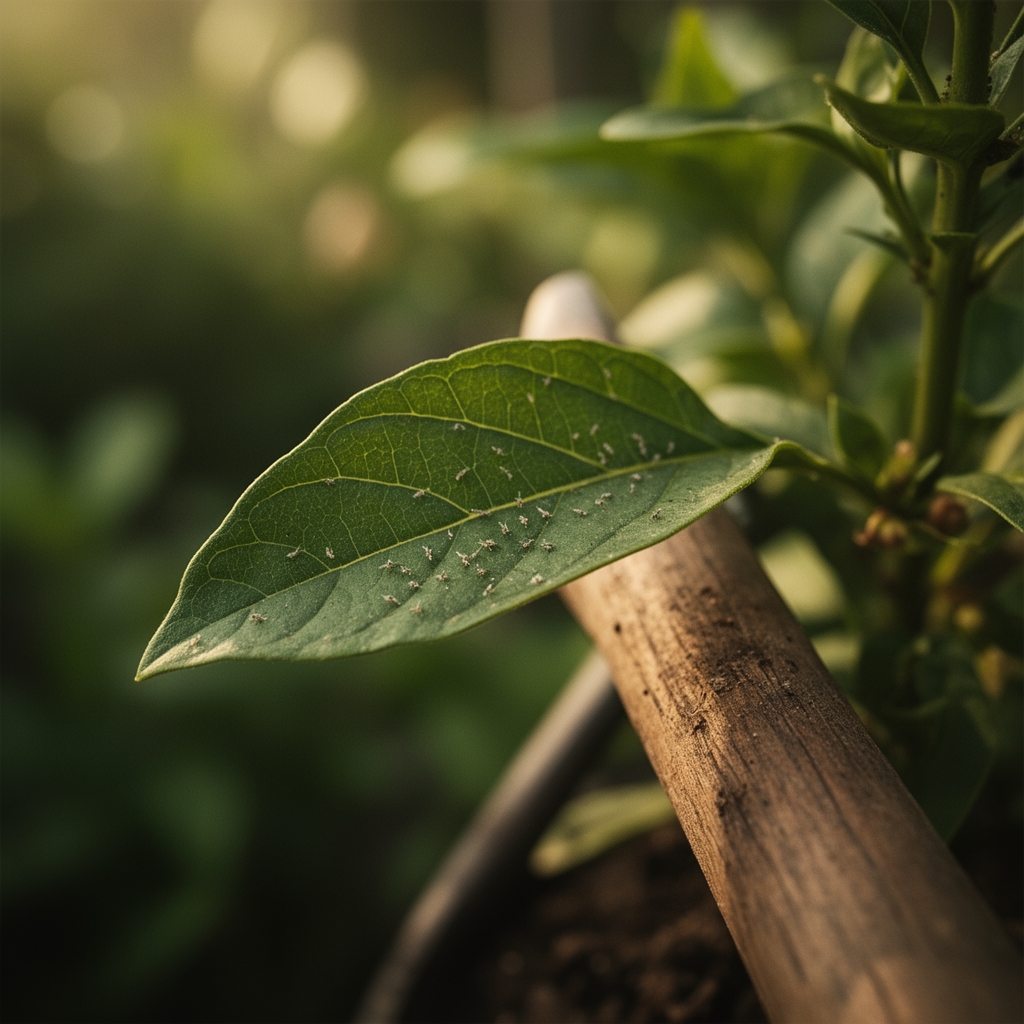
Fungus gnats swarm in dark clouds above potted plants, their larvae chewing through tender root hairs in saturated soil. These Sciaridae family pests thrive where organic matter decomposes in oxygen-starved growing media. Learning how to kill fungus gnats requires understanding their 3-4 week life cycle and targeting both airborne adults and subterranean larvae. The adults lay up to 200 eggs in moist top soil, and within 4-6 days, translucent larvae emerge to feed on fungi, algae, and root tissue. Eliminating them demands a multi-pronged attack that disrupts breeding sites while physically removing existing populations.
Materials
Yellow sticky traps (3×5 inch cards) capture adults through phototactic attraction. Position one trap per 10 square feet of growing area, replacing weekly during active infestations.
Bacillus thuringiensis israelensis (BTI) comes in granular or liquid form. This biological larvicide contains protein crystals toxic only to dipteran larvae. Mix liquid BTI at 1 tablespoon per gallon of water. The granular version applies at 1 teaspoon per 6-inch pot. BTI thrives in pH ranges of 6.0-7.5 and remains viable for 48 hours in solution.
Diatomaceous earth (DE) is fossilized algae with microscopic sharp edges. Food-grade DE applies as a 1/4-inch layer across soil surfaces. The silica content reaches 80-90%, creating a desiccating barrier.
Hydrogen peroxide (3% solution) oxidizes organic matter while releasing oxygen. Dilute at 1 part peroxide to 4 parts water for soil drenches. This treatment temporarily lowers substrate pH by 0.5-1.0 points.
Neem oil (azadirachtin content 0.5-3%) disrupts insect hormone systems. Emulsify at 2 tablespoons per gallon with an equal amount of insecticidal soap as a surfactant.
Sand or perlite creates a dry top layer. Coarse sand (1-2mm grain) or perlite establishes a 1/2-inch moisture barrier that larvae cannot penetrate.
Predatory nematodes (Steinernema feltiae) parasitize larvae in the soil. One package treats 1,600 square feet and requires soil temperatures above 50°F with consistent moisture.
Cider vinegar traps use 1/4 cup vinegar, 3 drops dish soap, and 1 tablespoon sugar in shallow containers. Adults drown after landing on the surface tension-broken liquid.
Timing
Fungus gnats breed year-round in indoor environments maintained between 65-75°F. Outdoor populations peak in USDA Hardiness Zones 3-10 from late March through October, when soil temperatures exceed 50°F.
Begin treatment at first adult sighting, typically when overwatering saturates the top 2 inches of growing media. Spring greenhouse infestations align with seedling propagation when mist systems keep surfaces wet. Fall indoor infestations coincide with reduced evapotranspiration as day length drops below 10 hours.
Apply BTI treatments every 5 days for three consecutive applications to break the reproductive cycle. Predatory nematodes establish best when applied 2 weeks before anticipated pest pressure, requiring 60-80°F soil temperatures for colonization.
Phases

Initial Control Phase
Reduce watering frequency immediately. Allow the top 2 inches of substrate to dry completely between irrigations, which typically extends watering intervals from every 3 days to every 7 days. Remove standing water from saucers within 15 minutes of irrigation.
Deploy yellow sticky traps horizontally at soil level where adults rest. The cards intercept females before egg-laying. Adults live 7-10 days, so traps reduce population pressure rapidly.
Apply BTI soil drench, saturating the root zone until 10% runoff appears. The bacterial spores germinate in larvae midguts within 24 hours, paralyzing feeding behavior.
Pro-Tip: Water BTI solutions in the morning when soil microbe activity peaks. Higher bacterial populations improve BTI spore colonization rates by 30-40%.
Suppression Phase
Spread 1/2-inch diatomaceous earth across the soil surface after the top inch dries. DE abrades larval cuticles, causing dehydration within 48 hours. Reapply after each watering as effectiveness diminishes when wet.
Introduce Steinernema feltiae nematodes by mixing the carrier sponge in dechlorinated water at 55-70°F. Apply during evening hours to prevent UV degradation. These microscopic roundworms actively hunt larvae, entering through natural body openings and releasing symbiotic bacteria.
Drench soil with 1:4 hydrogen peroxide solution weekly for two treatments. The oxidation reaction kills larvae, eggs, and decomposes organic matter that serves as fungal food sources.
Pro-Tip: Combine hydrogen peroxide drenches with increased air circulation. Position a 6-inch fan to create gentle soil surface movement, dropping humidity from 70% to 50% and accelerating drying.
Maintenance Phase
Top-dress containers with 1/2-inch coarse sand or perlite. This physical barrier prevents adults from accessing moist soil for egg-laying. The dry layer interrupts the reproductive cycle even if substrate below remains damp.
Install cider vinegar traps 12 inches from plant bases. Replace liquid every 4 days as efficacy drops when alcohol evaporates. Each trap captures 20-50 adults weekly during moderate infestations.
Pro-Tip: Incorporate mycorrhizal fungi inoculations during this phase. Species like Rhizophagus irregularis colonize roots within 10-14 days, improving nutrient uptake efficiency by 25% and allowing plants to tolerate drier conditions that suppress gnats.
Troubleshooting
Symptom: Adults persist after 3 weeks of treatment
Solution: Inspect drainage holes and outer pot rims where larvae pupate in hidden moisture pockets. Remove decorative cache pots that trap water. Check nearby plants, as adults fly 150-200 feet to colonize new sites. Quarantine treated specimens.
Symptom: White fungal growth appears on soil surface
Solution: This indicates excessive moisture and organic matter decomposition. Scrape away the top 1/4 inch of substrate. Improve drainage by adding 20% perlite to the existing mix. Reduce nitrogen inputs as high-N fertilizers (ratios above 10-5-5) promote fungal growth.
Symptom: Larvae visible in runoff water
Solution: The infestation has reached critical density with 100+ larvae per pot. Repot into fresh, sterile media. Bare-root wash existing substrate away, inspect for root rot (brown, mushy tissue), and trim damaged sections at 45-degree angles. Drench new media with BTI immediately after transplanting.
Symptom: Plant exhibits nitrogen deficiency after treatment
Solution: BTI and hydrogen peroxide temporarily suppress beneficial soil bacteria responsible for nitrogen cycling. Apply half-strength liquid fertilizer (analysis 5-1-1) weekly for three applications. Resume normal feeding schedules at 7-9-5 ratios once new growth exhibits dark green coloration.
Symptom: Diatomaceous earth cakes on soil
Solution: Caking occurs with hard water containing calcium above 180 ppm. The mineral content binds DE particles. Switch to reverse osmosis water with TDS below 50 ppm or allow tap water to sit 24 hours for chlorine evaporation before application.
Maintenance
Water plants when the top 2 inches of soil feels dry to touch, typically every 5-7 days for 6-inch pots. Deliver 1 cup of water per 1 quart of soil volume, ensuring 10-15% drains from the bottom.
Position yellow sticky traps permanently as monitoring tools. Replace every 2 weeks or when 75% covered with insects. One adult sighting warrants a precautionary BTI drench.
Apply BTI maintenance drenches monthly during peak growing seasons when watering frequency increases. Use granular formulations at half the treatment rate (1/2 teaspoon per 6-inch pot) to maintain larval suppression.
Remove dead plant material from soil surfaces weekly. Fallen leaves, spent flowers, and stem debris provide fungal food sources that support larvae populations. Clean pruning shears with 70% isopropyl alcohol between cuts.
Test substrate moisture with a meter, maintaining readings of 4-5 on a 10-point scale in the root zone. Consistent readings above 7 create anaerobic pockets where gnats thrive.
Repot rootbound plants every 12-18 months using sterile commercial potting mix. Pasteurized media heated to 180°F for 30 minutes eliminates eggs and larvae. Avoid garden soil, which introduces pest populations and poor drainage.
FAQ
How quickly does BTI kill fungus gnat larvae?
BTI paralyzes larvae feeding within 24 hours of ingestion. Complete mortality occurs in 48-72 hours. Three applications spaced 5 days apart eliminate overlapping generations. Water the product thoroughly into the root zone for contact with larvae in the top 3-4 inches where 90% of the population lives.
Can fungus gnats damage healthy plants?
Adult gnats do not feed on plants but larval populations above 30 per pot cause measurable root damage. They consume root hairs responsible for water and nutrient absorption, reducing overall biomass by 15-20%. Seedlings and cuttings with immature root systems suffer transplant shock and stunted growth. Established plants tolerate low populations but decline under sustained pressure.
Are fungus gnats the same as fruit flies?
No. Fungus gnats belong to family Sciaridae with long legs and dangling flight patterns. Fruit flies (Drosophilidae) have red eyes, tan bodies, and hover near fermenting fruit. Fungus gnats breed in soil while fruit flies require rotting organic material above ground. Yellow sticky traps catch both species.
How long do predatory nematodes remain active?
Steinernema feltiae nematodes survive 2-4 weeks in moist soil between 60-80°F. They enter a dormant state in dry conditions and die above 85°F or below 40°F. Monthly applications maintain populations. One package contains 5 million nematodes, which reproduce when larvae availability remains high.
Will neem oil kill beneficial soil organisms?
Azadirachtin in neem oil primarily affects insects with exoskeletons through hormone disruption. Soil bacteria and fungi show minimal sensitivity at standard dilution rates (2 tablespoons per gallon). However, predatory nematodes exposed to neem sprays experience 40-60% mortality. Wait 10 days after nematode application before using neem products.