8 Best Miniature Rose Care Tips
Miniature roses produce 30 to 50 blooms per season in containers no larger than 8 inches across, yet most hobbyists lose plants to overwatering or misapplied fertilizer within the first six months. The best miniature rose care tips begin with understanding that these compact cultivars descend from Rosa chinensis minima, grafted or own-root specimens that demand precise nutrient ratios and air circulation to prevent fungal colonization. Their fibrous root systems occupy only 6 to 10 inches of depth, making substrate composition the primary determinant of success. Each cultivar exhibits distinct cation exchange capacity requirements, and neglecting soil testing leads to nutrient lockout before the second flush of blooms.
Materials
Select a potting medium with a pH range of 6.0 to 6.5, verified by slurry test before planting. Combine equal parts peat moss, aged pine bark fines, and perlite to achieve 40 percent air-filled porosity. Incorporate 2 tablespoons of dolomitic limestone per gallon of mix to buffer pH drift during the growing season.
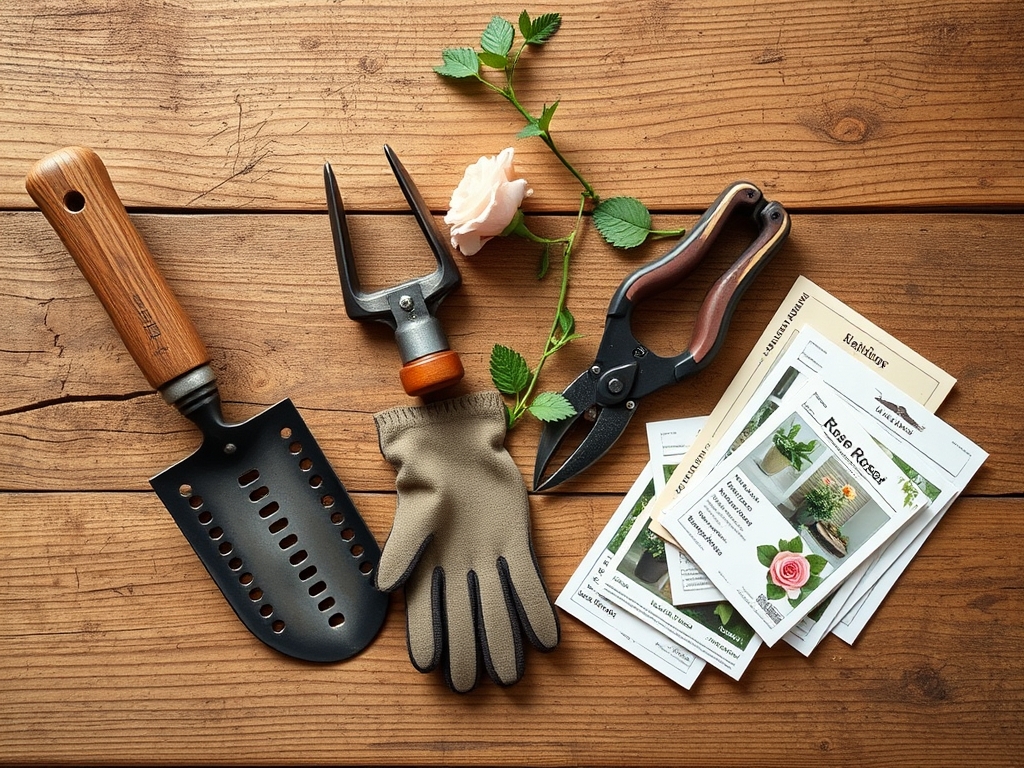
Fertilizer must follow a 4-4-4 or 5-3-3 NPK formulation for the first eight weeks post-transplant. Alfalfa meal supplies slow-release nitrogen and triacontanol, a natural growth stimulant that accelerates lateral bud break. Bone meal at 3-15-0 phosphorus content supports root hair proliferation during establishment. Apply 1 tablespoon per 6-inch pot at planting, then switch to a liquid 10-10-10 at one-quarter strength every two weeks once terminal buds appear. Avoid high-nitrogen formulas after mid-summer; excess vegetative growth reduces cold hardiness and increases susceptibility to powdery mildew.
Mycorrhizal fungi inoculant at 150 propagules per gram should contact roots at transplant. Glomus intraradices colonizes within 14 days, extending effective root surface area by 200 percent and improving phosphorus uptake in soilless media.
Timing
Miniature roses thrive in USDA Hardiness Zones 5 through 9. In Zone 5, transplant own-root specimens outdoors only after the last spring frost date, typically May 10 to May 20. In Zone 7, safe planting begins April 1. In Zone 9, set out container plants from February through March to establish before summer heat stress.
Fall planting succeeds in Zones 7 and warmer, provided roots have six weeks before the first frost to anchor. Grafted miniatures require eight weeks of sub-40-degree Fahrenheit exposure to satisfy dormancy requirements and trigger even bud break. Store potted plants in an unheated garage or cold frame where temperatures remain between 32 and 45 degrees Fahrenheit from December through February.
Phases

Sowing: Miniature roses propagate reliably from semi-hardwood cuttings taken in late June. Select 4-inch terminal shoots with five leaflets. Cut at a 45-degree angle just below a node. Dip cut ends in 3,000 ppm indole-3-butyric acid rooting hormone powder. Insert cuttings 2 inches deep into a 50/50 perlite and peat mix. Maintain 75 percent humidity under clear plastic domes and provide bottom heat at 70 degrees Fahrenheit. Rooting occurs in 21 to 28 days.
Pro-Tip: Wound the basal inch of each cutting with a sterile blade, removing a sliver of bark to expose cambium. This increases auxin distribution and raises rooting success from 60 to 85 percent.
Transplanting: Move rooted cuttings or nursery plants to final containers once roots circle the starter pot. Handle root balls gently; torn feeder roots delay establishment by three weeks. Set the graft union 1 inch above the soil surface for grafted specimens. Own-root plants tolerate deeper planting to encourage basal cane emergence. Firm soil with fingertips to eliminate air pockets, which cause root desiccation.
Pro-Tip: Prune canes back to 3 inches at transplant. This forces energy into root development rather than premature bloom, doubling first-year basal cane production.
Establishing: Water to field capacity immediately after planting, then allow the top inch of substrate to dry between irrigations. Overwatering collapses soil pore structure and triggers Phytophthora root rot. Apply 2 inches of shredded hardwood mulch around the base, keeping material 1 inch away from canes to prevent crown rot. Position containers in full sun, defined as six hours of direct light daily. Insufficient light elongates internodes and reduces flower count by 40 percent.
Pro-Tip: Rotate containers 90 degrees weekly. Uniform light exposure prevents one-sided growth and maintains symmetrical canopy architecture.
Troubleshooting
Symptom: Chlorotic leaves with green veins.
Solution: Iron deficiency caused by alkaline pH. Drench with chelated iron at 1 tablespoon per gallon. Re-test pH and amend with elemental sulfur if above 7.0.
Symptom: White powdery coating on foliage.
Solution: Powdery mildew spores germinate in high humidity and poor air circulation. Spray with 1 tablespoon baking soda and 1 teaspoon horticultural oil per gallon of water. Repeat every seven days. Space containers 18 inches apart to improve airflow.
Symptom: Stippled leaves with fine webbing on undersides.
Solution: Two-spotted spider mites thrive in hot, dry conditions. Hose foliage with a strong water spray every three days to dislodge adults. Apply insecticidal soap at labeled rates if populations exceed 5 mites per leaf.
Symptom: Black spots with yellow halos on leaves; premature leaf drop.
Solution: Black spot fungus (Diplocarpon rosae). Remove infected leaves immediately. Spray with copper fungicide at 2 tablespoons per gallon weekly during wet periods. Avoid overhead watering.
Symptom: Bud droop and failure to open.
Solution: Botrytis blight. Remove spent blooms every two days. Increase spacing. Apply preventive fungicide during prolonged humidity above 85 percent.
Maintenance
Water miniature roses with 1 inch of water per week, delivered in two 0.5-inch applications. Use drip irrigation or water at the base to keep foliage dry. Container-grown plants dry faster; check soil moisture daily during heat waves.
Deadhead spent blooms by cutting 1/4 inch above the first five-leaflet leaf. This redirects auxin to axillary buds and initiates the next flush in 28 days. In late summer, allow final blooms to form hips. This signals the plant to harden off for winter.
Prune in early spring before bud swell. Remove dead, crossing, and inward-facing canes. Cut living canes back by one-third to an outward-facing bud. Sterilize pruners with 70 percent isopropyl alcohol between cuts to prevent disease transmission.
Repot every two years in early spring. Root-bound plants exhibit reduced bloom size and increased water stress. Trim circling roots and move to a container 2 inches larger in diameter.
FAQ
How often should I fertilize miniature roses?
Feed every two weeks from April through August with liquid 10-10-10 at one-quarter strength. Stop fertilizing six weeks before the first expected frost to allow canes to lignify.
Can miniature roses survive winter outdoors?
Own-root plants survive to Zone 5 with 4 inches of mulch over the crown. Grafted varieties require protection below Zone 7. Bring containers into unheated garages where temperatures stay above 28 degrees Fahrenheit.
Why do my miniature roses have fewer blooms than advertised?
Insufficient light, high nitrogen, or premature deadheading cause reduced flowering. Ensure six hours of direct sun, switch to balanced fertilizer, and wait until petals shatter before removing blooms.
What causes leaves to yellow and drop in summer?
Natural senescence of lower foliage or nitrogen deficiency. If upper leaves remain green, this is normal. If chlorosis spreads upward, apply 1 tablespoon fish emulsion per gallon weekly.
How do I prevent spider mites on miniature roses?
Maintain relative humidity above 50 percent by misting foliage in the morning. Inspect leaf undersides weekly. Introduce predatory mites (Phytoseiulus persimilis) at first sign of infestation for biological control.