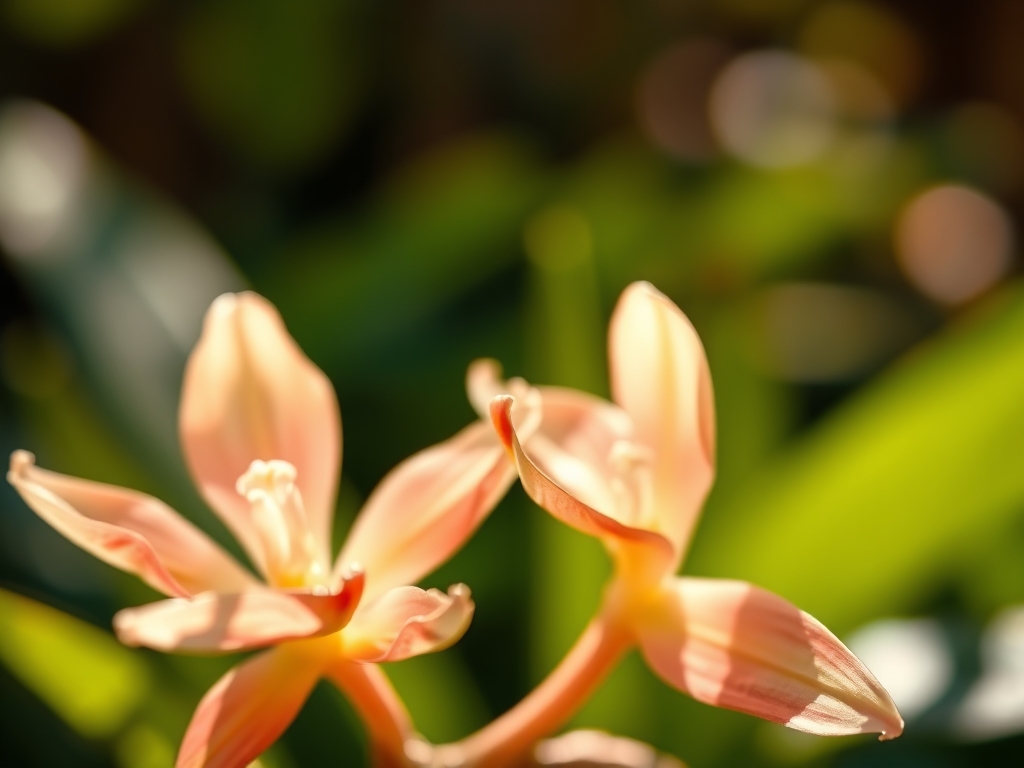
8 Best Cattleya Orchid Blooms Secrets
The scent of a healthy orchid house is thick with the smell of damp fir bark and the sharp, metallic tang of wet stone. Achieving the best cattleya orchid blooms requires more than a casual watering schedule; it demands a rigorous understanding of the plant's internal hydraulic pressure and metabolic cycles. A successful grower monitors the turgor of the pseudobulbs, ensuring they remain plump and rigid rather than shriveled and depleted. When light intensity and nutrient availability align, the plant transitions from vegetative expansion to the production of heavy, wax-like floral structures. These blooms are the physiological reward for maintaining a precise balance between moisture and aeration within the root zone. Failure to manage the rhizosphere results in root senescence and the abortion of developing flower spikes. Precision in environmental control is the only path to consistent, high-quality floral output. You must treat the orchid as a complex biological machine that requires specific inputs to maintain its peak performance across every season.
Materials:
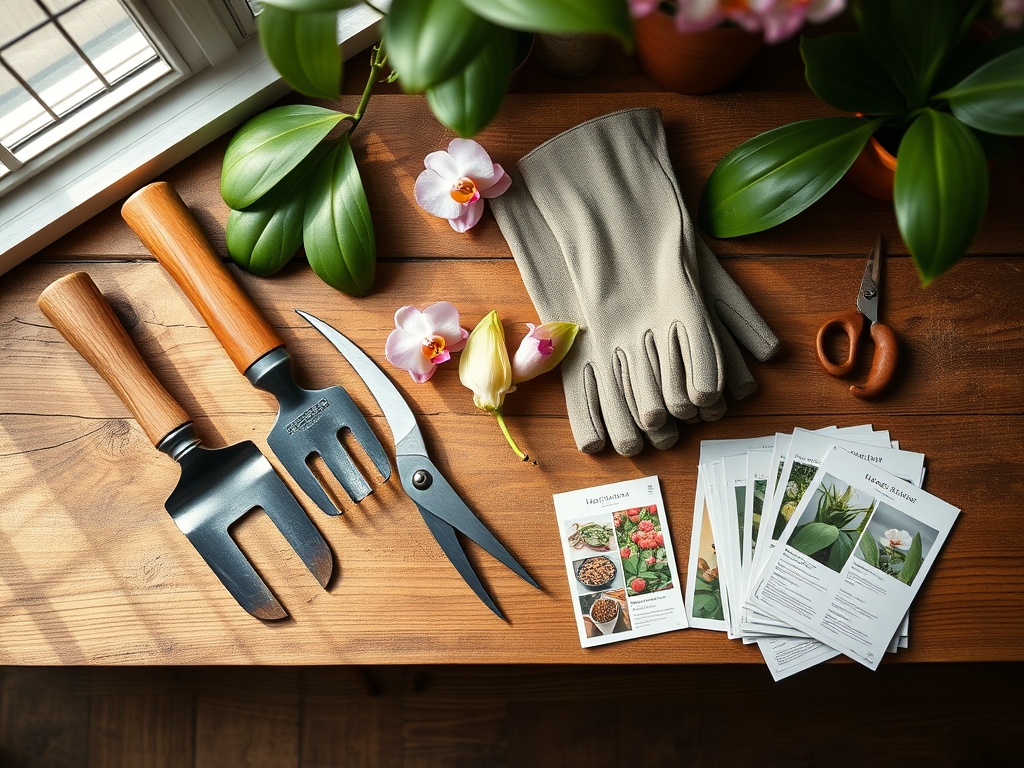
Cattleya orchids are epiphytic, meaning they do not grow in standard soil. They require a substrate with high porosity and a low **Cation Exchange Capacity (CEC)** to prevent the buildup of toxic salts. The ideal medium is a mixture of **medium-grade Douglas fir bark, horticultural charcoal, and volcanic sponge (perlite)**. This creates a physical texture that is coarse and airy rather than a friable loam used for terrestrial plants.
The substrate pH must remain between 5.5 and 6.5 to ensure nutrient bioavailability. For the vegetative phase, use a high-nitrogen fertilizer with an NPK ratio of 30-10-10 to drive pseudobulb development. As the plant approaches its blooming cycle, switch to a "bloom booster" formula with an NPK ratio of 10-30-20. This shift in phosphorus levels is critical for ATP production and the development of strong floral tissues. Always use purified water or rainwater, as these plants are sensitive to the chlorine and high mineral content found in municipal tap water.
Timing:
While Cattleya orchids are primarily grown in controlled indoor environments or greenhouses, they correspond to USDA Hardiness Zones 10 through 12. In these regions, they can survive outdoors if protected from direct midday sun. The "Biological Clock" of the Cattleya is governed by the photoperiod, the duration of light exposure within a 24-hour cycle.
Most species require a distinct drop in night temperatures to trigger the reproductive stage. A temperature differential of 15 to 20 degrees Fahrenheit between day and night is necessary for approximately four to six weeks. For spring-blooming varieties, this cooling period typically occurs in late autumn. If the environment remains at a constant temperature, the plant will continue to produce foliage but will fail to initiate the flower sheath. Monitor the local frost dates; if temperatures drop below 50 degrees Fahrenheit, metabolic processes slow significantly, and the risk of cellular damage increases.
Phases:

Sowing and Propagation
Most hobbyists propagate via rhizome division rather than seeds, as orchid seeds lack an endosperm and require lab-grade agar and fungal inoculation for germination. When dividing a mature plant, ensure each section has at least three to five healthy pseudobulbs. Use a sterilized hori-hori knife to slice through the rhizome, then dust the wound with cinnamon or a fungicidal powder to prevent infection.
Pro-Tip: Maintaining auxin suppression is vital during division. By leaving several pseudobulbs together, the plant maintains its apical dominance, which prevents the dormant "eyes" at the base from wasting energy on weak, premature growth.
Transplanting
Repotting should only occur when the new growth reaches the edge of the container or the substrate has decomposed. Decomposed bark loses its aeration, leading to an anaerobic environment that kills roots. Gently remove the old medium and trim dead, mushy roots with bypass pruners. Position the oldest pseudobulb against the rim of the new pot to allow the lead growth maximum space to expand across the center.
Pro-Tip: Cattleya roots utilize velamen, a specialized silver-white epidermis that absorbs atmospheric moisture. During transplanting, avoid burying the rhizome too deep; keeping it near the surface facilitates gas exchange and prevents crown rot.
Establishing
Once repotted, the plant enters a recovery phase where it must re-establish its mycorrhizal symbiosis. Keep the plant in slightly lower light for ten days and increase humidity to 70 percent. Do not water the substrate immediately; instead, mist the foliage to maintain turgor pressure until new root tips, characterized by their bright green or red caps, begin to penetrate the new bark.
Pro-Tip: This phase relies on phototropism. Position the plant so the new growth faces the primary light source. This ensures the developing pseudobulb grows vertically, providing a stable base for the heavy flower spikes to follow.
The Clinic:
Physiological disorders in orchids often stem from environmental imbalances rather than pathogens.
- Symptom: Black Rot (Pythium/Phytophthora). Soft, blackened areas on leaves or pseudobulbs that spread rapidly.
- Solution: Immediately excise the infected tissue using a sterile blade, cutting into healthy green wood. Improve air circulation using an oscillating fan and reduce humidity below 60 percent.
- Symptom: Mesophyll Cell Collapse. Sunken, pitted spots on the leaves, often appearing white or tan.
- Solution: This is caused by exposure to cold water or extreme temperature drops. Ensure irrigation water is at room temperature and maintain a minimum night temperature of 55 degrees Fahrenheit.
- Symptom: Nitrogen Chlorosis. Older leaves turn a uniform pale yellow while the rest of the plant remains green.
- Fix-It: Increase the frequency of your 30-10-10 NPK applications. Ensure the substrate pH has not drifted above 7.0, which can lock out nitrogen even if it is present in the medium.
Maintenance:
Precision maintenance is the difference between a surviving plant and a thriving one. Use a soil moisture meter to probe the center of the pot; do not water until the meter reads "dry" at the core. For a standard six-inch pot, this typically equates to a deep drench once every five to seven days, depending on ambient humidity.
During the active growing season, apply a "weakly, weekly" fertilizer regimen. Dissolve your nutrients at one-quarter the recommended strength and apply every time you water. Every fourth watering, use pure water to flush the pot, leaching out accumulated mineral salts that can burn sensitive root tips. Use a hori-hori knife to scrape away any algae or mineral crust from the surface of the clay pot to maintain the breathability of the ceramic walls.
The Yield:
Harvesting Cattleya blooms for floral arrangements requires specific timing to ensure longevity. Wait until the flower has been fully open for three to four days. This allows the floral tissues to harden and the fragrance to reach its peak concentration of essential oils.
Use sterilized bypass pruners to cut the stem at the base of the sheath. Immediately submerge the cut end in lukewarm water. For "day-one" freshness that lasts up to two weeks, store the cut blooms in a cool location away from ripening fruit, as orchids are highly sensitive to ethylene gas, which triggers rapid senescence and petal wilt.
FAQ:
How much light do Cattleya orchids need?
They require 2,500 to 3,500 foot-candles of light. Leaves should be a medium "granny smith" apple green. Dark green leaves indicate insufficient light, while yellow or bronzed leaves suggest the plant is receiving excessive solar radiation.
Why are my orchid leaves wrinkled?
Wrinkled leaves indicate a loss of turgor pressure. This is caused by either underwatering or root rot. Check the roots; if they are firm and white, increase watering. If they are brown and mushy, the plant cannot absorb water.
How often should I repot my Cattleya?
Repot every two to three years. Do this when the potting medium breaks down and begins to hold too much water, or when the rhizome starts growing over the edge of the pot. Always repot during active root growth.
What is the best humidity for Cattleya blooms?
Maintain relative humidity between 50% and 80%. High humidity supports the velamen's ability to absorb moisture. Use a humidity tray or a dedicated humidifier, and always ensure adequate air movement to prevent fungal spores from settling on the foliage.