7 Simple Ways How to Treat Thrips Garden
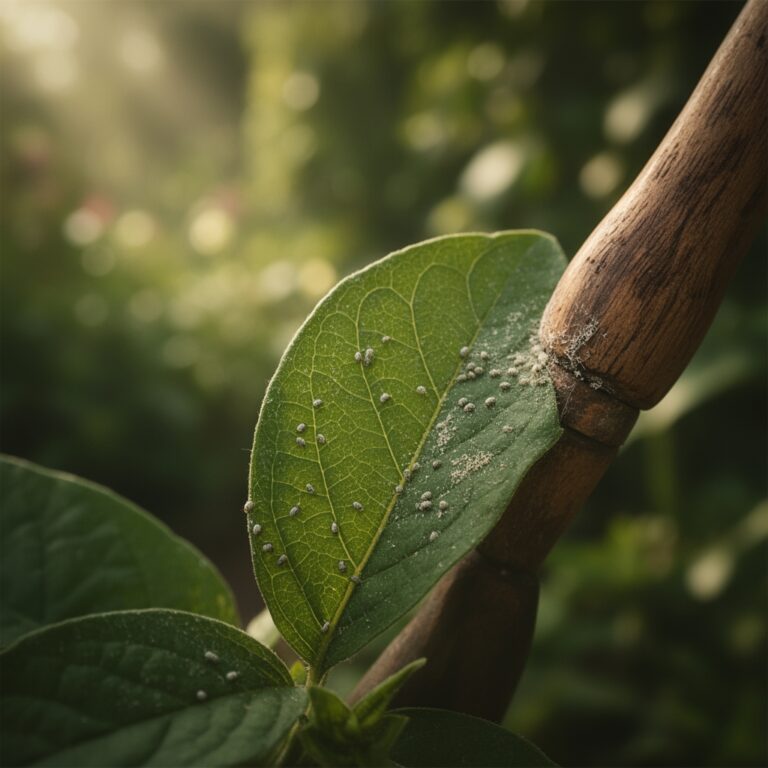
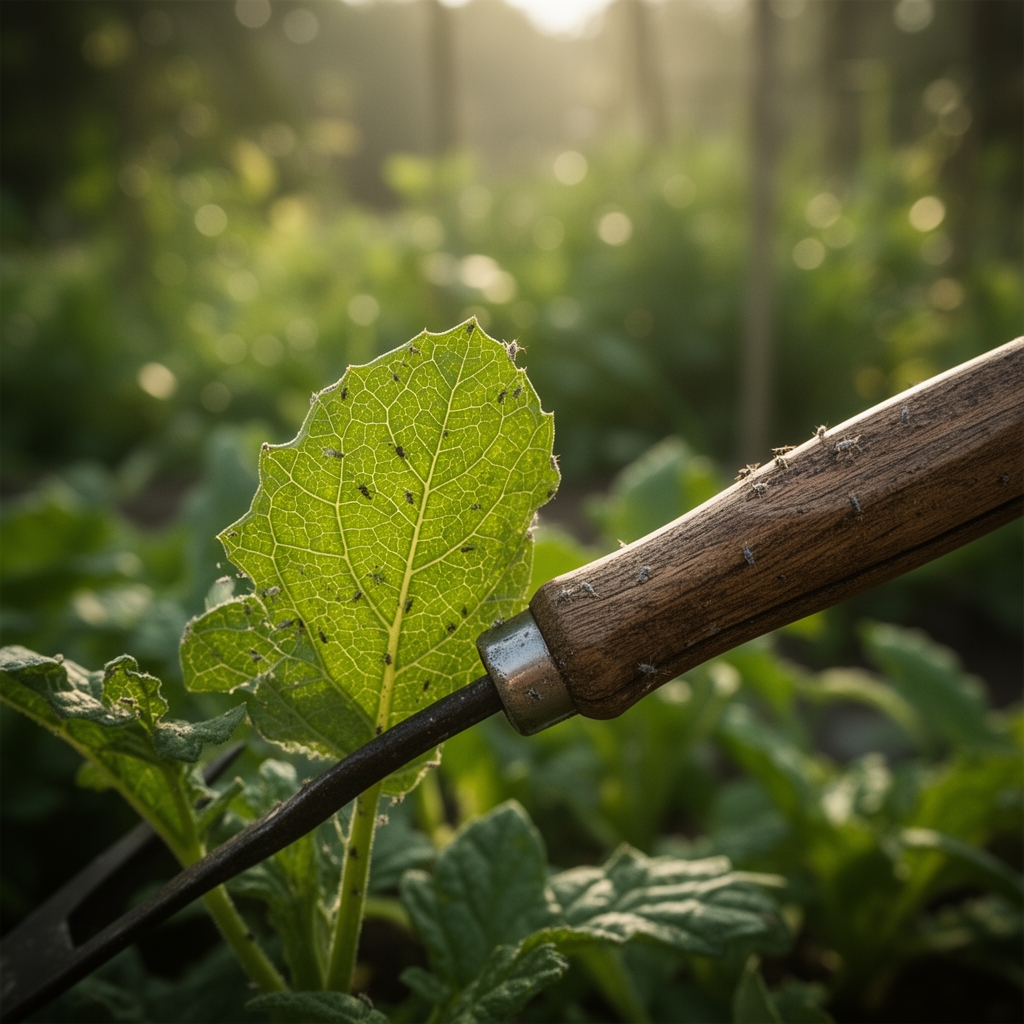
Thrips pierce leaf tissue and suck out cellular contents, leaving behind silvery scars, black fecal deposits, and distorted growth. These slender insects, barely 1/16 inch long, reproduce rapidly in warm conditions and threaten both ornamental and edible crops. Learning how to treat thrips garden infestations requires integrated methods that address adults, larvae, and eggs across multiple life cycles.
Materials
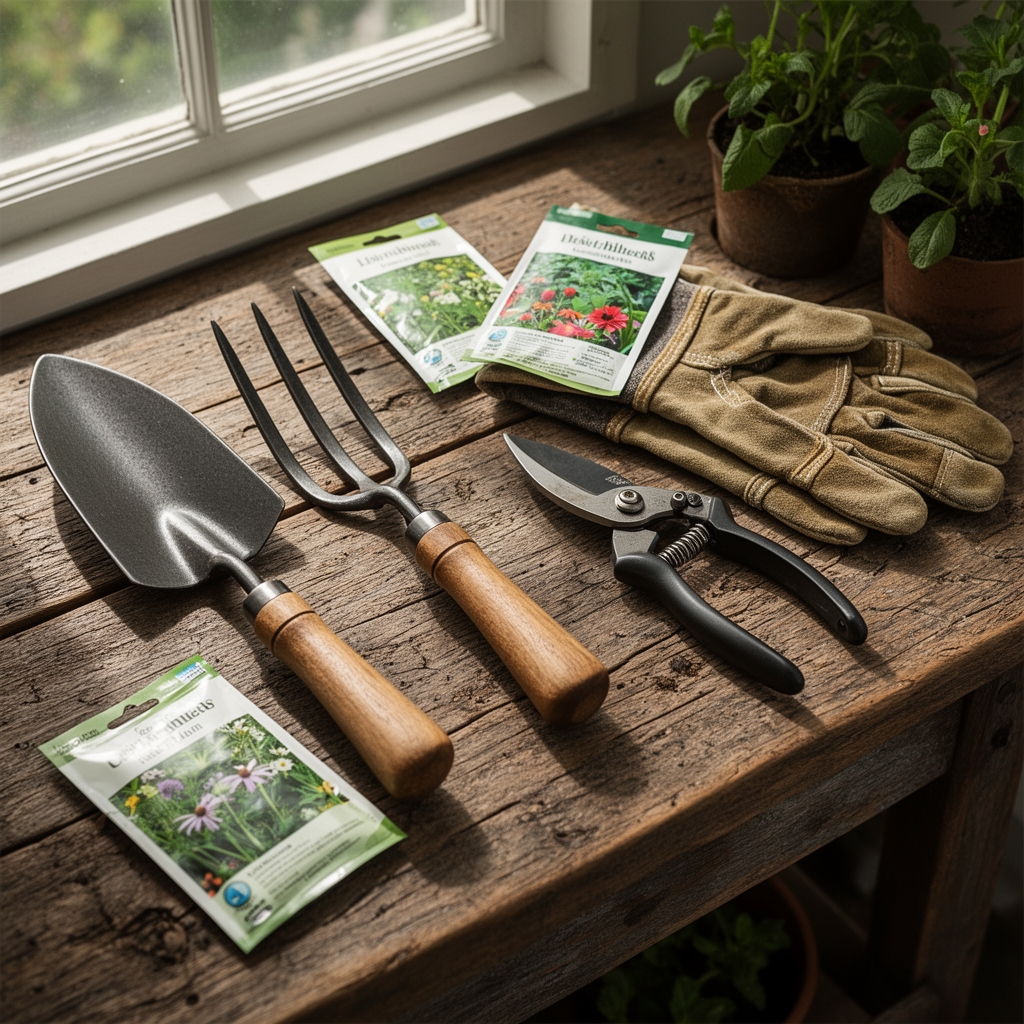
Successful thrips management depends on layered interventions. Neem oil concentrate (clarified hydrophobic extract) works best at pH 6.0 to 7.0 when applied as a 2% foliar solution. Spinosad, derived from Saccharopolyspora spinosa fermentation, targets larval stages with minimal impact on beneficial insects. Insecticidal soap requires soft water (below 150 ppm calcium) to prevent reduced efficacy from soap precipitation.
Blue or yellow sticky traps monitor populations and provide physical control when placed 6 inches above canopy height. Reflective aluminum mulch disorients thrips by disrupting their wavelength-dependent host-finding behavior. Pyrethrin sprays (0.5% concentration) deliver rapid knockdown but degrade within 24 hours under UV exposure.
For soil amendment, apply composted organic matter with a balanced 4-4-4 NPK ratio to support mycorrhizal colonization. Thrips pupate in the top 2 inches of soil, so beneficial nematodes (Steinernema feltiae) introduced at 23 million per 1,000 square feet reduce emerging adult populations by 60 to 80 percent.
Timing
Thrips activity peaks when temperatures reach 70°F to 85°F. In hardiness zones 7 through 10, treat from late March through October. Zones 3 through 6 should focus on June through September when greenhouse transplants and warm-season annuals attract migratory populations.
Apply treatments at seven-day intervals during active infestations. Eggs hatch in three to five days, and larvae feed for one to three weeks before dropping to pupate. Spray early morning or late evening when temperatures fall below 75°F to reduce phytotoxicity and improve coverage on lower leaf surfaces where thrips aggregate.
Monitor after the last spring frost date. Populations explode 10 to 14 days after initial detection if left unmanaged. Base treatment schedules on degree-day models: thrips complete one generation per 250 degree-days above a 52°F threshold.
Phases

Sowing and Initial Detection
Inspect transplants for silvery stippling or black specks before introducing them into the garden. Thrips hide in flower buds and between tightly folded leaves. Submerge root balls in a 1% insecticidal soap solution for 30 seconds to dislodge hidden larvae.
Plant resistant varieties when available. Onion cultivars with waxy cuticles and thick cell walls reduce thrips feeding efficiency by 40 percent. Companion plants like garlic and chives release sulfur compounds that repel adult thrips within a 24-inch radius.
Pro-Tip: Inoculate seedlings with Beauveria bassiana fungal spores at transplant. This entomopathogenic fungus penetrates thrips cuticles and causes mortality within 72 hours.
Transplanting and Establishment
Space plants to maximize airflow. Thrips thrive in humid microclimates where leaf wetness exceeds four hours daily. Maintain 18-inch spacing for determinate crops and 24-inch spacing for indeterminate varieties.
Apply neem oil as a systemic drench at transplant. Azadirachtin disrupts ecdysone synthesis, preventing larvae from molting successfully. Use 2 tablespoons of concentrate per gallon, drenching the root zone with 8 ounces per plant.
Pro-Tip: Prune lower foliage at a 45-degree angle to improve auxin distribution and reduce humid pockets where thrips oviposit.
Mid-Season Maintenance
Release Amblyseius cucumeris predatory mites at 10,000 per 1,000 square feet. These specialists consume 5 to 10 thrips larvae per day and establish persistent populations in moderate climates. Avoid broad-spectrum insecticides for 14 days before and after release.
Spray spinosad every seven days for three consecutive applications when populations exceed five thrips per flower. Target flower buds and terminal growth where feeding damage concentrates.
Pro-Tip: Foliar applications of potassium silicate (1 tablespoon per gallon) strengthen cell walls and reduce feeding damage by 30 percent while improving cation exchange capacity.
Troubleshooting
Symptom: Silvery streaking on leaves with black fecal spots.
Solution: Apply spinosad at labeled rates. Increase application volume to achieve runoff coverage on leaf undersides.
Symptom: Distorted flowers and aborted buds.
Solution: Remove and destroy infested blooms. Introduce Orius insidiosus minute pirate bugs at 500 per 1,000 square feet.
Symptom: Continued damage despite chemical applications.
Solution: Rotate insecticide modes of action. Thrips develop resistance to pyrethroids within eight generations. Alternate between spinosad, neem, and soap every 14 days.
Symptom: White stippling without visible insects.
Solution: Check for spider mites using a 10x hand lens. Both pests cause similar damage but require different treatments.
Symptom: Pupae visible in soil cracks.
Solution: Drench soil with Steinernema feltiae nematodes. Water with 0.5 inches immediately after application to move nematodes into the soil profile.
Maintenance
Water at soil level to avoid wetting foliage. Overhead irrigation increases humidity and thrips reproduction rates. Deliver 1 inch per week through drip systems or soaker hoses.
Remove spent blooms daily. Thrips prefer senescing flowers where pollen provides protein for egg production. Deadheading reduces oviposition sites by 70 percent.
Apply a 2-inch layer of organic mulch to suppress pupating thrips. Wood chips or straw create a barrier that prevents emerging adults from reaching plants. Avoid fine materials like peat that retain excessive moisture.
Fertilize with controlled-release 10-10-10 at 1 pound per 100 square feet. Excessive nitrogen produces tender growth that attracts thrips. Maintain tissue nitrogen below 4 percent dry weight.
FAQ
How long does it take to eliminate thrips?
Complete eradication requires 21 to 28 days with weekly treatments covering three full life cycles.
Can thrips overwinter in cold climates?
Some species survive as adults in protected locations like mulch or greenhouse debris. Clean up plant residue before first frost.
Are thrips resistant to neem oil?
Azadirachtin resistance has not been documented. Neem works through multiple pathways that prevent resistance development.
Do sticky traps eliminate infestations?
Traps alone reduce populations by only 20 to 30 percent. Use them for monitoring and as part of integrated strategies.
When should I introduce predatory mites?
Release when thrips first appear and daytime temperatures consistently exceed 65°F. Predators establish better during low to moderate pest pressure.