7 Best Bougainvillea Indoor Care Tips
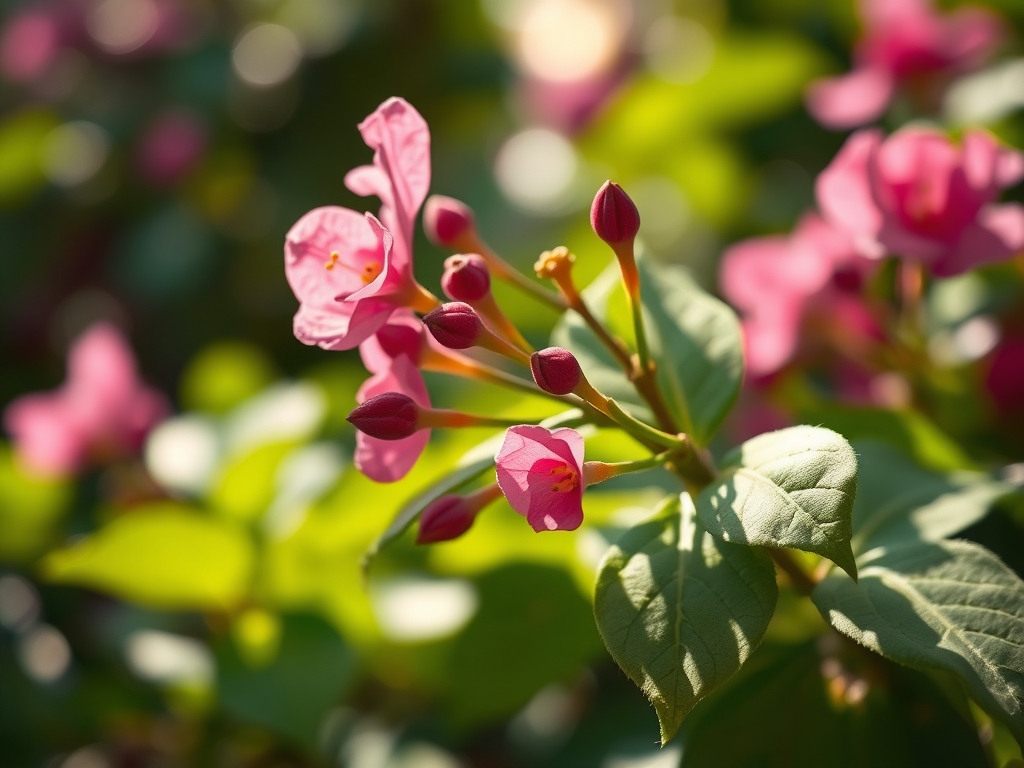
Crushing a handful of well-drained potting mix releases the sharp, metallic scent of minerals and organic decomposition. A healthy indoor bougainvillea displays high turgor pressure; its leaves feel turgid and stiff to the touch, indicating a robust vascular system. Achieving the best bougainvillea indoor care requires a departure from standard houseplant logic. You are managing a high-energy woody vine that demands intense solar radiation and specific stress triggers to produce its iconic bracts. These colorful modified leaves are not flowers, but evolutionary adaptations designed to attract pollinators in arid environments. To succeed indoors, you must replicate a subtropical climate within the confines of a container. This involves precise manipulation of the rhizosphere and a strict adherence to photoperiod requirements. Most indoor failures stem from over-saturation or insufficient light intensity. You must maintain a delicate balance between vegetative growth and reproductive stress. When the plant receives exactly what it needs, the bracts emerge in dense clusters that can obscure the foliage entirely. This guide provides the technical framework to sustain these woody perennials indefinitely in an indoor setting.
Materials:
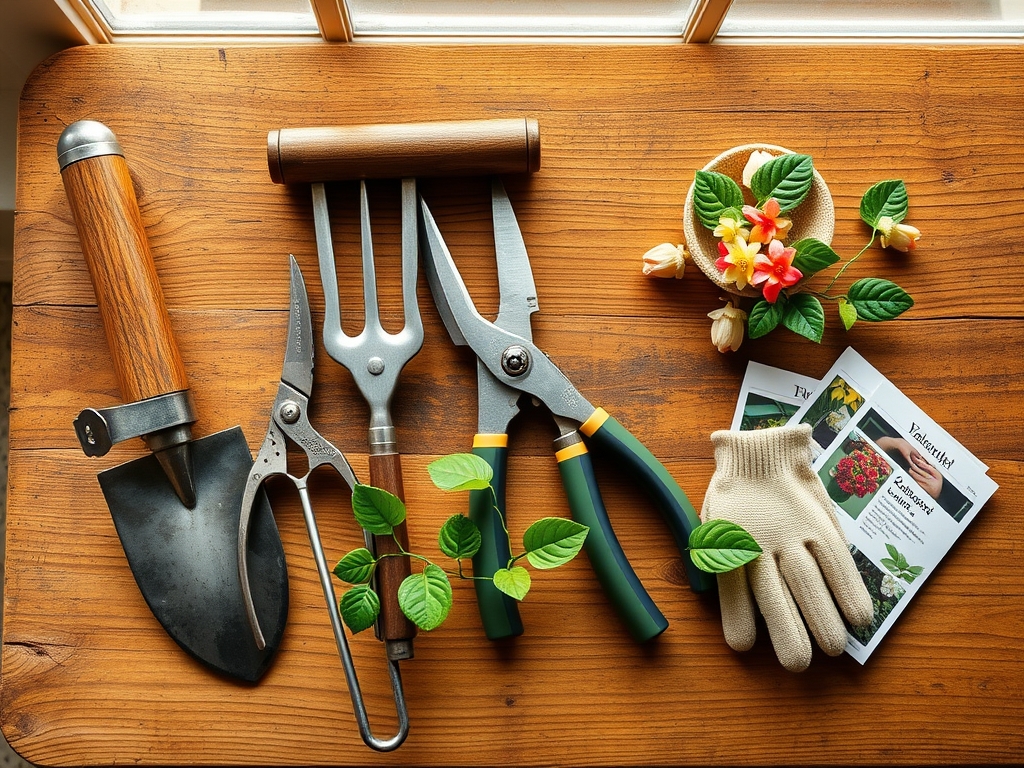
The foundation of bougainvillea health is a substrate with high porosity and a pH range between 5.5 and 6.0. Use a friable loam mixed with perlite and pine bark to ensure rapid drainage. The soil must have a moderate Cation Exchange Capacity (CEC) to hold nutrients without becoming saline.
For nutritional support, utilize a 6-8-10 NPK ratio during the active growing season. High potassium levels are vital for stem strength and water regulation within the xylem. Avoid high-nitrogen fertilizers, as excess nitrogen stimulates lush green foliage at the expense of bract production. Incorporate micronutrients like iron and magnesium to prevent interveinal chlorosis. A 20 percent perlite inclusion rate is recommended to maintain oxygen levels in the root zone.
Timing:
Bougainvilleas are technically hardy in USDA Zones 9 through 11. Indoors, their biological clock is governed by light duration and temperature. The transition from the vegetative stage to the reproductive stage is triggered by "short days," typically requiring 12 hours of darkness to initiate bract formation.
In temperate climates, move the plant indoors when nighttime temperatures consistently drop below 50 degrees Fahrenheit. The primary growth phase occurs from late spring through early autumn. During the winter months, the plant enters a semi-dormant state where metabolic activity slows. Pruning should be timed for late winter or early spring, just before the first flush of new growth, to maximize the number of flowering nodes.
Phases:
Sowing and Propagation
While seeds are rare, semi-hardwood cuttings are the standard. Take a 6-inch cutting and dip the base in a rooting hormone containing Indole-3-butyric acid. Place the cutting in a sterile medium under high humidity.
Pro-Tip: Maintaining a bottom heat of 75 degrees Fahrenheit accelerates cell division at the callus site. This utilizes the "Biological Why" of thermotropism, where localized warmth stimulates faster metabolic rates in the undifferentiated meristematic cells.
Transplanting
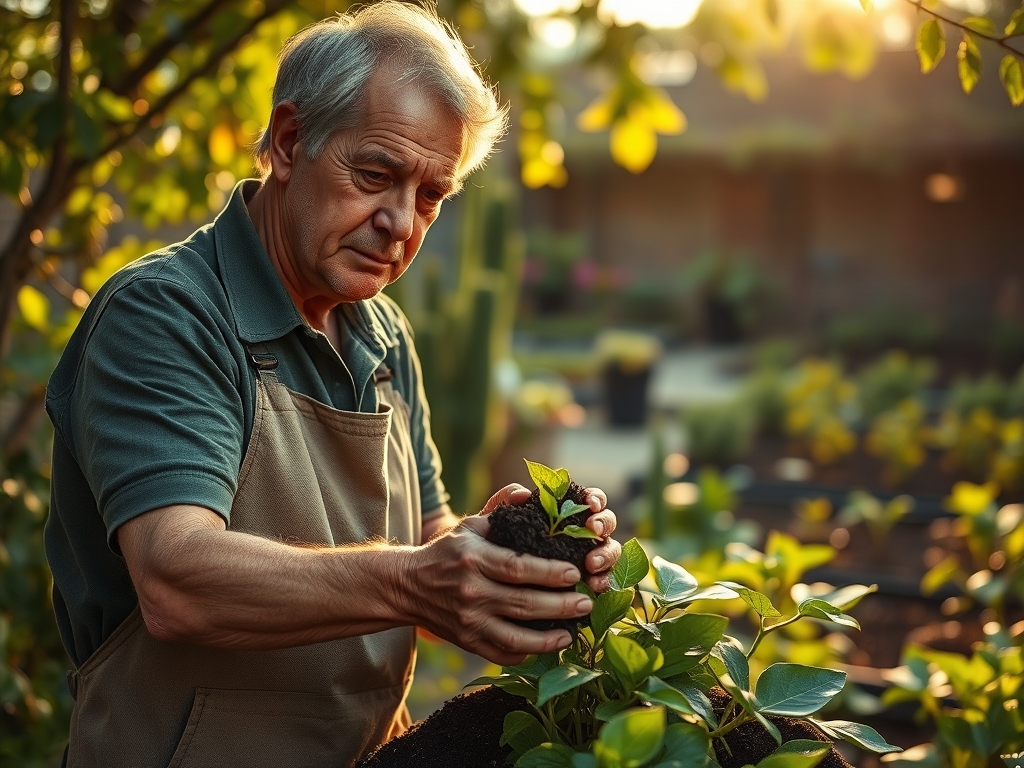
Bougainvilleas have a fragile root system and prefer being slightly pot-bound. When the roots begin to circle the interior of the container, move the plant to a pot only 2 inches wider than the current one. Use a hori-hori knife to gently loosen the outer roots without breaking the main root ball.
Pro-Tip: Minimize root disturbance to avoid transplant shock. The "Biological Why" involves the delicate mycorrhizal symbiosis; disrupting the fungal-root interface can temporarily halt the plant's ability to uptake phosphorus.
Establishing
Once transplanted, place the container in a south-facing window that receives at least 8 hours of direct sunlight. Use a soil moisture meter to monitor the dry-down cycle. Do not apply fertilizer until you see at least 2 inches of new terminal growth.
Pro-Tip: Use "pinching" to encourage branching. By removing the terminal bud, you disrupt apical dominance. This "Biological Why" involves the suppression of auxins, allowing lateral buds to develop, resulting in a bushier plant with more flowering sites.
The Clinic:
Symptom: Leaf Drop.
Solution: Check for sudden temperature fluctuations or over-watering. Bougainvilleas drop leaves as a stress response to protect their core vascular integrity. Maintain a consistent 65 to 75 degree environment.
Symptom: Pale, yellow leaves with green veins (Interveinal Chlorosis).
Solution: This indicates a lack of iron or magnesium. Apply a chelated iron supplement and ensure the soil pH has not drifted above 6.5, which locks out these essential cations.
Symptom: Leggy growth with no bracts.
Solution: Increase light intensity. The plant is stretching for photons (etiolation). Move it to a location with higher PAR (Photosynthetically Active Radiation) values.
Fix-It for Nitrogen Chlorosis: If lower leaves turn uniformly yellow, apply a balanced liquid fertilizer at half-strength. Nitrogen is a mobile nutrient; the plant scavenges it from old growth to support new leaves when soil levels are depleted.
Maintenance:
Precision is required for water and structural management. Apply approximately 1.5 inches of water when the top 2 inches of soil feel dry. Ensure the water reaches the drip line at the edge of the pot to encourage outward root expansion. Use bypass pruners for clean cuts that heal quickly; ragged tears invite pathogens.
Prune back the previous year's growth by 3 to 6 inches in early spring to maintain a manageable indoor size. Sanitize tools with 70 percent isopropyl alcohol between plants to prevent the spread of systemic issues. Monitor for common indoor hitchhikers like mealybugs or spider mites by inspecting the undersides of leaves weekly. A strong blast of water can physically dislodge these pests without the need for harsh interventions.
The Yield:
For bougainvillea, the "yield" is the duration and intensity of the bract display. To maximize the lifespan of the bracts, reduce watering slightly once the color is fully established. This environmental stress signals the plant to maintain its reproductive structures longer.
When the bracts eventually undergo senescence and turn papery, they can be harvested for dried arrangements. Cut the stems using sharp shears and hang them upside down in a dark, low-humidity room. This preserves the structural integrity of the bracts and prevents the colors from fading due to UV exposure. For "day-one" freshness in a vase, sear the bottom 1 inch of the woody stem in boiling water for 30 seconds to prevent sap from clogging the vascular tissue.
FAQ:
How much light does an indoor bougainvillea need?
It requires a minimum of 8 hours of direct sunlight daily. A south-facing window is essential. Without sufficient light, the plant will not produce the energy required for bract formation and will become leggy.
Why is my bougainvillea losing all its leaves?
This is typically caused by over-watering or a sudden cold draft. Ensure the soil dries out between watering cycles and keep the plant away from air conditioning vents or drafty windows to maintain stable temperatures.
What is the best fertilizer for bougainvillea?
Use a fertilizer with a high potassium and low nitrogen ratio, such as 6-8-10. Apply at half-strength every four weeks during the growing season. Avoid high-nitrogen mixes which prioritize foliage over bracts.
How often should I prune my indoor bougainvillea?
Perform a major prune in late winter or early spring. You can also perform light "tip pruning" throughout the summer to encourage more branching. Always use sharp, sanitized bypass pruners for clean cuts.
Does bougainvillea like to be pot-bound?
Yes, bougainvilleas bloom better when their roots are slightly restricted. Only repot when the roots have completely filled the container, and only move up one pot size at a time to prevent soil saturation issues.