6 Basic Steps to Plant Chestnut Trees
Chestnut trees anchor landscapes with massive canopies and produce sweet, protein-rich nuts that sustained entire civilizations. Learning the steps to plant chestnut trees transforms a bare yard into a productive food forest within five to seven years. These deciduous hardwoods demand specific soil chemistry, strategic timing, and disciplined early training to avoid structural failures. Success hinges on understanding that chestnuts evolved as forest-edge colonizers, requiring full sun, deep drainage, and freedom from late-spring frost pockets.
Materials
Gather materials weeks before planting to test soil and prepare amendments. Chestnuts thrive in acidic to neutral soils with pH 5.5 to 6.5. Test cation exchange capacity; values above 10 meq/100g indicate sufficient nutrient retention.
Soil Amendments (per tree):
- 2 gallons aged compost (C:N ratio 25:1)
- 1 cup 4-4-4 organic fertilizer blend (feather meal, bone meal, kelp)
- 1 cup mycorrhizal inoculant (Pisolithus tinctorius or Scleroderma species)
- Agricultural sulfur if pH exceeds 6.8 (apply 0.5 lb per point reduction needed per 10 square feet)
Physical Supplies:
- Bare-root or container seedlings, 18 to 36 inches tall
- Tree shelter tubes (5 feet tall, vented)
- Hardwood stakes (6 feet, untreated)
- Wire mesh (1/4-inch hardware cloth, 24-inch width) for rodent guards
- Drip irrigation emitters rated at 2 gallons per hour
Choose disease-resistant cultivars such as 'Colossal', 'Bouche de Betizac', or Dunstan hybrids. Pure American chestnuts (Castanea dentata) remain vulnerable to Cryphonectria parasitica, the chestnut blight fungus that devastated native populations in the early 20th century.
Timing
Plant dormant bare-root stock in early spring, two to four weeks before the average last frost date. Hardiness Zones 4 through 8 offer optimal growing conditions. Zones 4 and 5 require planting between mid-April and early May. Zones 6 and 7 accept planting from late March through April. Zone 8 growers plant in February or early March before soil temperatures exceed 60°F.
Container-grown seedlings tolerate transplanting through early June but face increased drought stress. Avoid fall planting; chestnuts produce fleshy roots that desiccate in winter winds and experience heaving in freeze-thaw cycles.
Monitor soil temperature at 6-inch depth. Root growth accelerates when soil reaches 50°F and peaks between 55°F and 65°F. Delayed planting into warm soil reduces establishment time but demands rigorous irrigation.
Phases
Sowing (Stratified Nut Planting):
Sow fresh nuts within two weeks of autumn harvest. Store in moist peat at 34°F for 90 to 120 days to break dormancy. Plant stratified nuts 2 to 3 inches deep in prepared beds, spacing 6 inches apart. Germination occurs when soil warms above 55°F. Transplant seedlings at 12 to 18 inches tall.
Pro-Tip: Soak nuts in water for 24 hours before stratification. Floating nuts are nonviable; discard them.
Transplanting (Field Establishment):
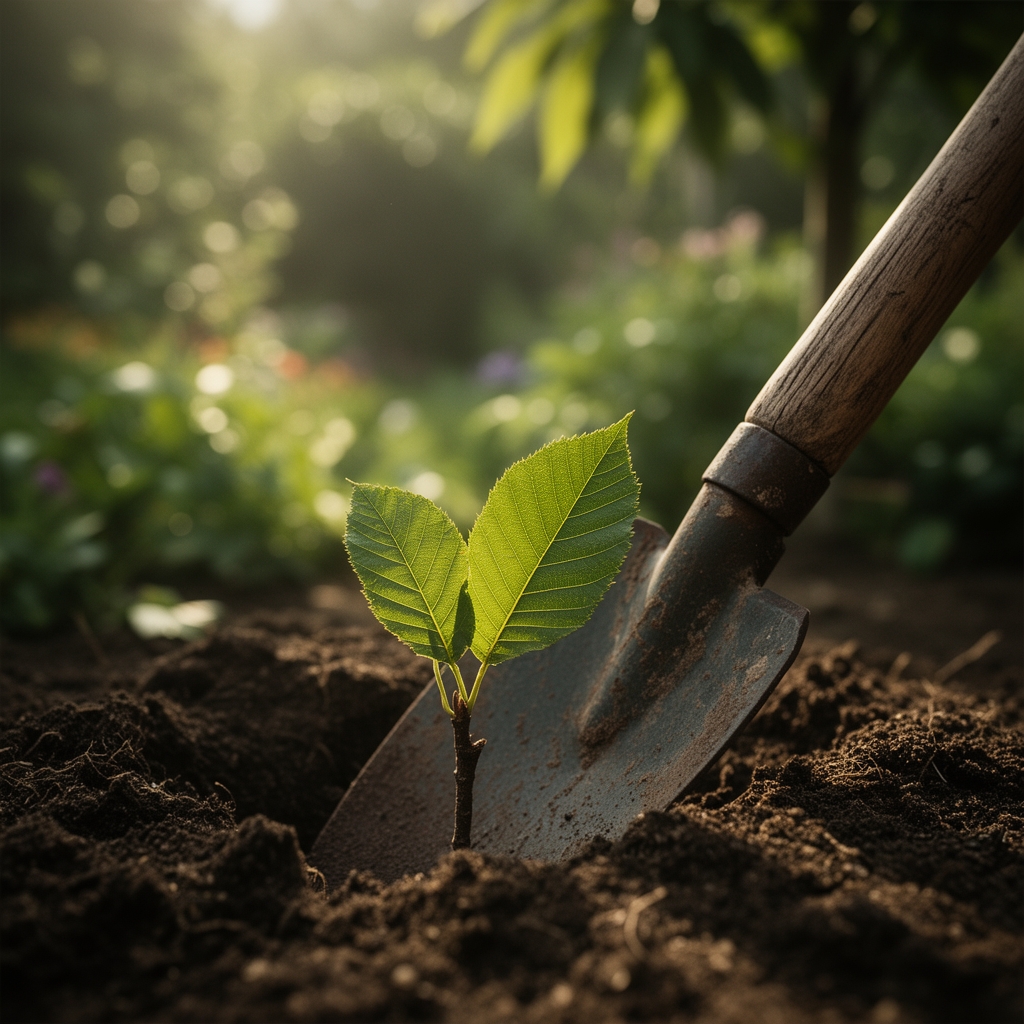
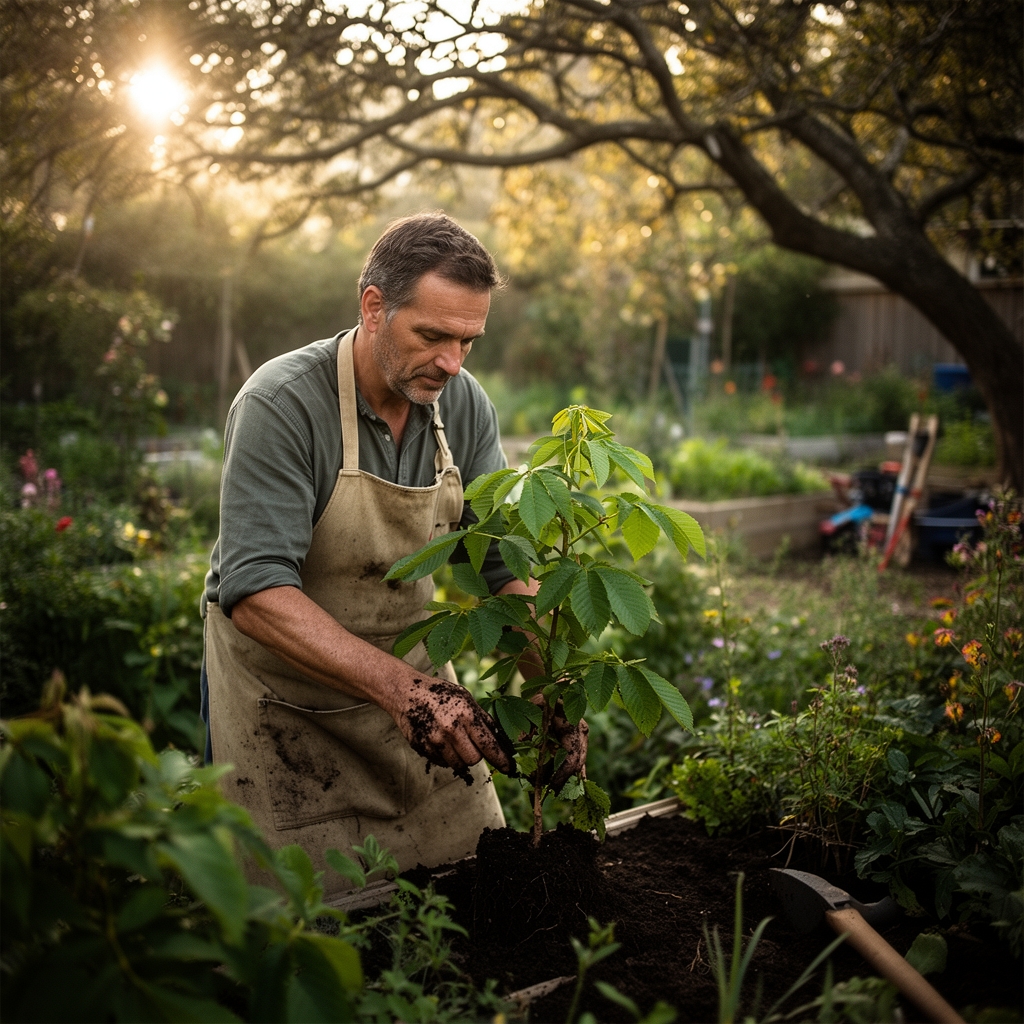
Dig holes 24 inches wide and 18 inches deep. Loosen sidewalls with a digging fork to prevent root circling. Mix excavated soil with compost and 4-4-4 fertilizer. Spread mycorrhizal inoculant directly on root surfaces before placement. Position root collar level with surrounding grade. Backfill in 4-inch lifts, firming soil to eliminate air pockets but avoid compaction.
Install hardware cloth cylinders extending 12 inches below grade and 18 inches above. Voles and mice girdle young bark during winter. Anchor tree shelter tubes with stakes positioned 6 inches from trunks.
Pro-Tip: Trim broken roots with clean pruners at 45-degree angles to promote callus formation and reduce pathogen entry.
Establishing (Years One Through Three):
Water delivers 2 inches per week through drip emitters during the first growing season. Reduce to 1 inch per week in years two and three if rainfall is insufficient. Maintain 4-foot diameter weed-free zones using 4-inch wood chip mulch. Keep mulch 6 inches from trunks to prevent crown rot.
Prune central leaders to 4 to 5 feet at planting to balance root loss. Select scaffold branches in year two, spacing them 8 to 12 inches vertically along the trunk at 60-degree angles from the main axis. Remove branches narrower than 45 degrees; they form weak crotches prone to splitting under crop loads.
Pro-Tip: Apply 0.5 lb calcium nitrate (15.5-0-0) in a 3-foot radius each April during years two and three to promote auxin distribution and apical dominance.
Troubleshooting
Symptom: Leaf margins turn brown and curl upward in midsummer. Interveinal tissues remain green.
Solution: Potassium deficiency. Broadcast 1 lb sulfate of potash (0-0-50) in a 5-foot radius. Retest soil; adjust base saturation to 3 to 5 percent potassium.
Symptom: Galls appear on twigs with orange gelatinous spore masses.
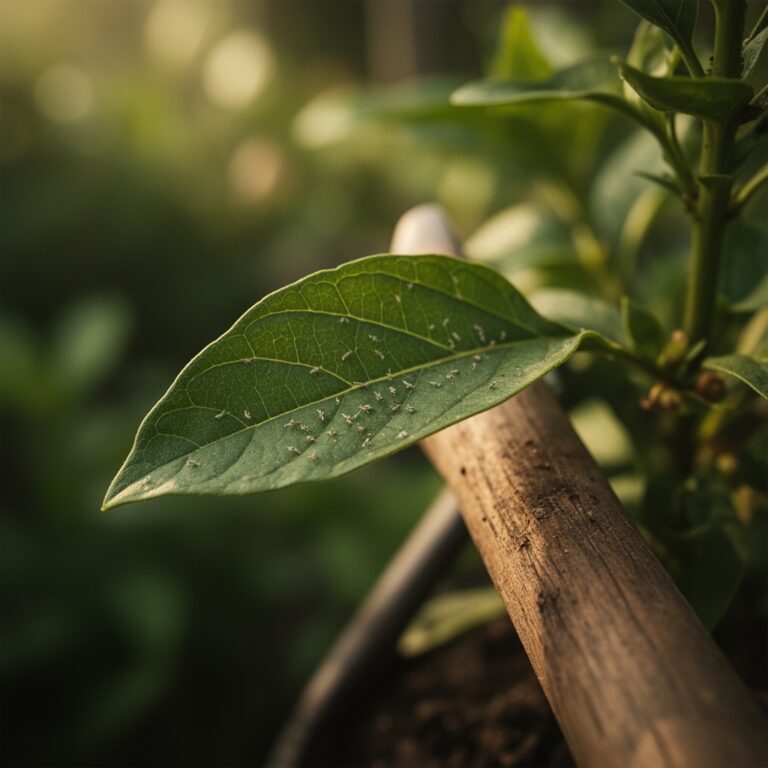
Solution: Chestnut gall wasp (Dryocosmus kuriphilus). Prune infested twigs 6 inches below galls in winter. Release Torymus sinensis, a parasitoid biocontrol agent.
Symptom: Nuts drop prematurely in August with small entry holes.
Solution: Chestnut weevil (Curculio species). Apply kaolin clay at petal fall and repeat every 14 days until husk formation. Collect and destroy dropped nuts.
Symptom: Bark develops sunken, orange-brown cankers exuding fan-shaped white mycelium under bark.
Solution: Chestnut blight. Prune infected branches 12 inches below visible cankers during dry weather. Sterilize tools with 10 percent bleach solution between cuts. Plant resistant hybrids.
Symptom: Leaves yellow uniformly; growth is stunted.
Solution: Poor drainage or compacted subsoil. Transplant to raised beds or berms 18 inches tall with 60 percent native soil and 40 percent compost.
Maintenance
Apply 1 lb of 10-10-10 fertilizer per year of tree age in early April, maximum 10 lbs per tree. Broadcast in a band starting 2 feet from the trunk and extending to the drip line. Water within 24 hours to move nutrients into the root zone.
Prune annually in late winter when trees are dormant. Remove water sprouts, crossing branches, and limbs below 6 feet to ease harvest and mowing. Maintain central leader dominance through year five, then transition to modified central leader or open center forms.
Test soil every three years. Adjust pH with sulfur or lime based on results. Maintain organic matter above 4 percent through annual mulch applications.
Monitor for blight cankers monthly during the growing season. Early detection allows surgical removal before girdling occurs.
FAQ
How far apart should I space chestnut trees?
Space trees 35 to 40 feet apart for full-sized cultivars. Dwarf or semi-dwarf selections tolerate 20 to 25 feet. Adequate spacing ensures air circulation and reduces fungal disease pressure.
Do chestnuts need cross-pollination?
Yes. Chestnuts are self-incompatible. Plant at least two different cultivars within 200 feet. Wind carries pollen; bees are secondary pollinators.
When do chestnut trees begin producing nuts?
Grafted cultivars bear in three to five years. Seedlings require seven to ten years. Consistent crops begin after year five when trees reach 12 to 15 feet tall.
Can I grow chestnuts in containers?
Young trees tolerate containers for two to three years. Use 20-gallon pots with drainage holes. Transplant before taproots circle or grow beyond 36 inches.
What causes chestnuts to split before harvest?
Excessive rain during nut maturation swells kernels faster than shells expand. Select late-maturing cultivars in high-rainfall regions. Avoid overhead irrigation after July.