5 Simple Ways How to Grow Nut Trees
Growing nut trees transforms bare ground into long-lived productive ecosystems capable of yielding protein-dense harvests for decades. The crunch of fresh almonds, the oil-rich meat of black walnuts, and the sweet snap of hazelnuts all begin with understanding how to grow nut trees from the soil up. Mastering this process requires matching species to site conditions, manipulating root architecture during establishment, and calibrating nutrition across juvenile and mature phases. Learning how to grow nut trees successfully hinges on five integrated practices that address mycorrhizal symbiosis, structural pruning, and targeted nutrient management.
Materials
Soil pH directly governs nutrient availability. Almonds and pecans thrive between 6.0 and 7.5, while chestnuts and hickories tolerate 5.0 to 6.5. Test cation exchange capacity before planting; values below 10 meq/100g require organic matter amendment. Use compost aged for twelve months to avoid nitrogen tie-up during lignin breakdown.
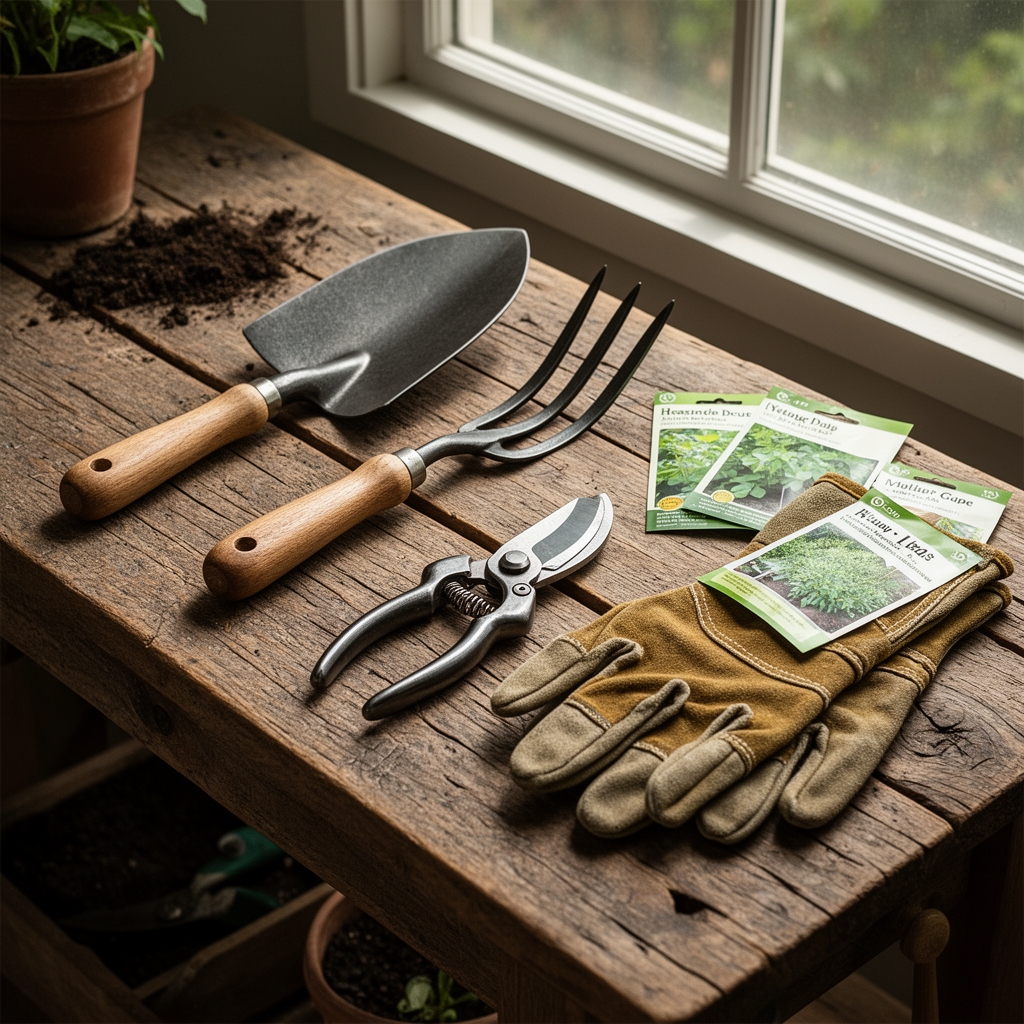
For establishing trees under three years, apply a balanced 4-4-4 organic meal at 2 pounds per inch of trunk diameter annually. Split applications into early spring and late summer to match auxin distribution cycles. Mature bearing trees require phosphorus and potassium prioritization; shift to 2-6-6 formulations at 4 pounds per inch of diameter. Trace elements matter: zinc deficiency causes rosetting in pecans, while boron deficiency triggers hollow nuts in almonds. Incorporate kelp meal at 1 pound per tree annually to supply micronutrients through slow-release complexes.
Mycorrhizal fungi inoculants containing Rhizopogon or Tuber species improve phosphorus uptake by 40 to 60 percent. Mix granular inoculant directly into the planting hole at 2 ounces per tree. Avoid high-nitrogen synthetic fertilizers during the first eighteen months; they inhibit fungal colonization.
Timing
Hardiness zones determine species selection. English walnuts perform in Zones 5 through 9, chestnuts in Zones 4 through 8, and almonds exclusively in Zones 7 through 9 with fewer than 300 chill hours. Plant bare-root stock in late winter, two to four weeks before the last average frost date. This timing allows root growth before bud break.
Container-grown trees tolerate planting through early summer, but establishment stress increases. In Zone 6, optimal planting runs from mid-March through mid-April. In Zone 9, the window shifts to late January through February. Monitor soil temperature; root initiation accelerates above 50°F at six-inch depth.
Phases

Sowing
Direct seeding suits black walnuts, hickories, and oaks. Stratify nuts in moist sand at 34 to 38°F for 90 to 120 days to break embryo dormancy. Plant stratified nuts horizontally at twice their diameter depth in amended soil. Space seeding sites 30 feet apart for full canopy expansion. Rodent pressure requires hardware cloth cages with one-half-inch mesh extending twelve inches below grade.
Pro-Tip: Inoculate seeding holes with native soil from beneath mature trees of the same species. This introduces site-adapted mycorrhizae and beneficial bacteria.
Transplanting
Bare-root whips establish faster than container stock if roots remain moist. Soak roots in water with 1 tablespoon kelp extract per gallon for two hours before planting. Dig holes three times the root spread width but only as deep as the root collar. Prune broken or circling roots with sharp bypass shears at 45-degree angles.
Backfill with native soil, avoiding amendments that create textural boundaries. Water with 15 gallons immediately after planting to eliminate air pockets. Stake only if wind exposure exceeds 15 mph; use flexible ties to permit trunk flex and taper development.
Pro-Tip: Delay fertilization until the second spring. Transplant shock reduces root absorptive capacity; premature feeding causes salt accumulation and tip dieback.
Establishing
Train central leaders during dormancy by removing competing apical shoots. Maintain a single trunk to six feet height before allowing scaffold branch development. Select scaffolds with 45 to 60-degree crotch angles; narrower angles create weak unions prone to splitting under crop load.
Remove branches originating below four feet to improve air circulation and reduce rodent access. Make cuts flush with the branch collar, avoiding stubs that invite canker pathogens. Apply dormant horticultural oil at 2 percent concentration in late winter to smother overwintering scale and aphid eggs.
Pro-Tip: Prune minimally during the juvenile phase. Leaf area drives root expansion. Remove only damaged or crossing branches until the fifth year.
Troubleshooting
Symptom: Yellowing between leaf veins with green venation.
Solution: Iron chlorosis from high pH. Apply chelated iron at 2 ounces per inch trunk diameter. Sulfur amendments at 1 pound per 100 square feet lower pH over twelve months.
Symptom: Small, shriveled nuts with blackened kernels.
Solution: Water stress during kernel fill, typically July through August. Increase irrigation to 2 inches weekly during this critical window.
Symptom: Sawdust-like frass at branch crotches with entry holes.
Solution: Peachtree borer infestation. Apply Steinernema carpocapsae nematodes at 25 million per tree in early September when soil temperature reaches 55 to 60°F.
Symptom: Sudden wilting of terminal growth with brown discoloration.
Solution: Eastern filbert blight in hazelnuts. Prune infected branches twelve inches below visible cankers during dormancy. Sterilize tools between cuts with 10 percent bleach solution.
Symptom: Leaf edges scorched with premature drop.
Solution: Potassium deficiency. Top-dress with sulfate of potash at 1 pound per inch diameter in spring.
Maintenance
Apply 1 inch of water weekly from bud break through harvest. Use drip irrigation with emitters spaced at eighteen-inch intervals around the dripline. Mulch with wood chips at four-inch depth, maintaining a six-inch gap from the trunk to prevent crown rot. Replenish mulch annually.
Foliar feed with fish emulsion at 2 tablespoons per gallon every three weeks during active growth. Spray in early morning to maximize stomatal absorption. Conduct annual soil tests and adjust amendments to maintain target pH and nutrient ratios.
Prune mature trees biennially during dormancy to maintain 30 percent canopy openness. This light penetration improves nut quality and reduces fungal disease pressure.
FAQ
How long until nut trees produce?
Grafted cultivars bear in three to five years. Seedling trees require seven to ten years to reach productive maturity.
Can nut trees grow in containers?
Dwarf hazelnuts and genetic dwarf almonds tolerate containers exceeding 25 gallons. Repot biennially and root-prune by one-third.
Do all nut trees need cross-pollination?
Almonds, chestnuts, and most hazelnuts require distinct cultivars for pollination. Plant at least two compatible varieties within 100 feet.
What spacing prevents overcrowding?
Standard pecans need 60 feet, walnuts 40 feet, and hazelnuts 15 feet. Calculate based on mature canopy diameter.
How deep do nut tree roots grow?
Taproots reach 10 to 20 feet in well-drained soils. Lateral feeder roots concentrate in the top eighteen inches where oxygen is abundant.