5 Easy Ways How to Care for Dendrobium Orchids
The snap of a turgid pseudobulb under thumb pressure signals a plant in peak physiological health. A healthy Dendrobium orchid smells of wet fir bark and sharp, metallic minerals. To master how to care for dendrobium orchids, one must move beyond casual observation and into the realm of precise environmental manipulation. These epiphytes do not grow in soil; they exist in an aerial interface where gas exchange is as critical as hydration. Success requires maintaining high osmotic pressure within the cellular walls to prevent desiccation.
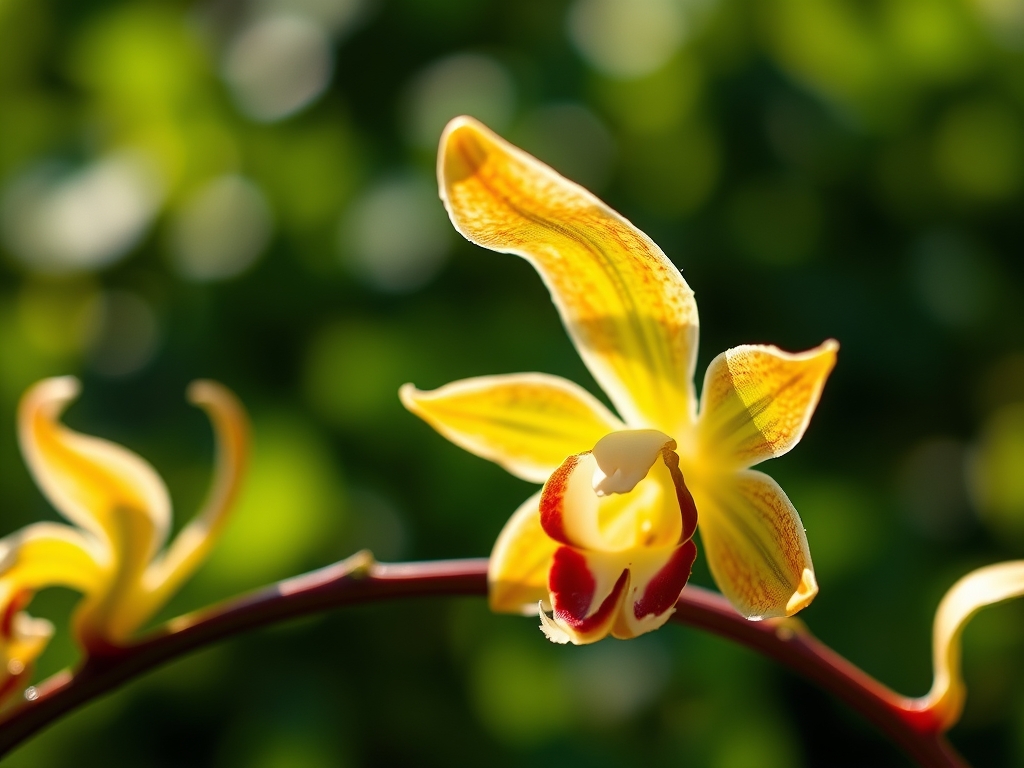
Understanding how to care for dendrobium orchids begins with the recognition that these plants are divided into distinct groups based on their thermoperiodic requirements. Most common cultivars are Nobile-type or Phalaenopsis-type hybrids. Each requires a specific manipulation of light intensity and temperature drops to trigger the transition from vegetative growth to floral initiation. Without a 15 to 20 degree Fahrenheit fluctuation between day and night, the plant will remain in a state of perpetual green stasis.
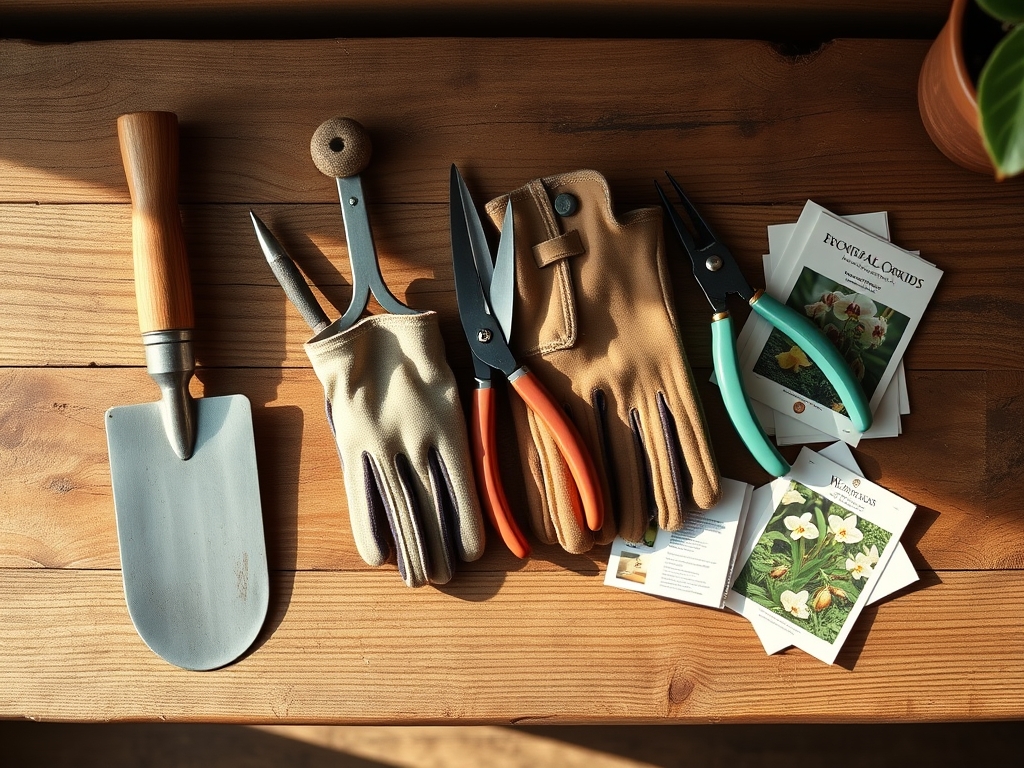
Materials:
The substrate for a Dendrobium must facilitate a high Cation Exchange Capacity (CEC) while maintaining maximum macroporosity. Do not use terrestrial potting soil. The ideal medium is a mixture of 70 percent medium-grade Douglas fir bark, 20 percent horticultural charcoal, and 10 percent perlite. This creates a friable, coarse texture that prevents anaerobic conditions in the rhizosphere.
Maintain a target pH between 5.5 and 6.5. Use a balanced water-soluble fertilizer with an NPK ratio of 20-20-20 during the active growth phase. When the terminal leaf appears on the pseudobulb, switch to a "bloom booster" formula with an NPK ratio of 10-30-20. This shift in phosphorus levels encourages the development of flower spikes rather than additional foliage. Ensure the water source has a Total Dissolved Solids (TDS) reading below 200 parts per million (ppm) to avoid salt accumulation on the sensitive root velamen.
Timing:
Dendrobiums are generally suited for USDA Hardiness Zones 9 through 12 if grown outdoors; however, most are managed as greenhouse or indoor specimens. The biological clock of the Dendrobium is governed by the photoperiod and temperature. The vegetative stage typically occurs from late spring through early autumn. During this window, the plant requires consistent moisture and high light.
The reproductive stage is triggered by the "winter rest." For Nobile-type orchids, this involves a cessation of fertilizer and a significant reduction in water starting in November. This period of stress induces the plant to move nutrients from the older pseudobulbs to the developing buds. Failure to provide this cool, dry period results in the production of "keikis" (adventitious plantlets) instead of flowers. Resume standard care only when the flower buds are clearly visible and approximately 0.5 inches in length.
Phases:
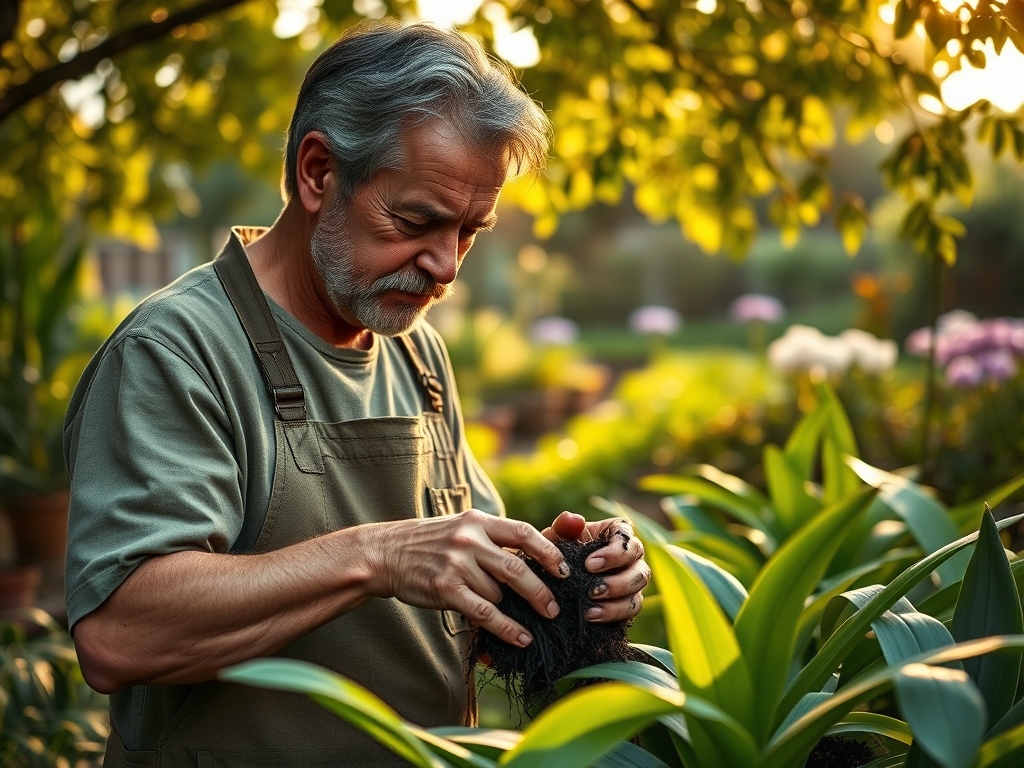
Sowing and Propagation
Commercial growers utilize agar-based flasking for seeds, but home growers rely on division. Divide the plant only when the lead pseudobulb has outgrown the pot. Ensure each division contains at least three healthy pseudobulbs to provide enough stored carbohydrates for new growth.
Pro-Tip: When dividing, leave the older, leafless pseudobulbs intact. These serve as nutrient reservoirs. Removing them causes auxin suppression, which can stunt the development of new lead growths.
Transplanting
Repot every two to three years or when the bark substrate begins to decompose. Decomposed bark loses its structural integrity and collapses, which suffocates the roots. Use a pot that appears too small for the plant; Dendrobiums prefer to be "pot-bound." This constriction helps regulate moisture levels around the roots.
Pro-Tip: Soak the new bark medium for 24 hours prior to transplanting. This ensures the dry wood does not strip moisture from the orchid roots through capillary action, preventing immediate post-transplant dehydration.
Establishing
After repotting, place the orchid in a location with 50 percent humidity and bright, indirect light. Do not water for the first seven days. This allows any micro-fractures in the roots to callous over, preventing pathogens from entering the vascular system.
Pro-Tip: Utilize a mycorrhizal inoculant during the first watering. This symbiotic relationship enhances the plant's ability to uptake phosphorus and micronutrients, significantly increasing the plant's metabolic efficiency.
The Clinic:
Physiological disorders in Dendrobiums often manifest through leaf color and texture.
- Symptom: Yellowing of lower leaves (Chlorosis).
Solution: This typically indicates a Nitrogen deficiency. Increase the frequency of 20-20-20 fertilizer applications. - Symptom: Accordion-like pleating on new leaves.
Solution: This is a sign of inconsistent hydration. The plant experienced a drop in turgor pressure during leaf expansion. Increase watering frequency and maintain higher ambient humidity. - Symptom: Black, soft spots on leaves.
Solution: This indicates bacterial soft rot. Improve air circulation and reduce overhead misting. Excise the infected tissue with a sterilized blade. - Symptom: Failure to bloom despite healthy growth.
Solution: Insufficient light or lack of a temperature drop. Move the plant to a location where it receives 2,000 to 3,000 foot-candles of light.
Fix-It: If you observe salt crusting on the pot rim, flush the substrate with distilled water for five minutes to leach out accumulated minerals.
Maintenance:
Precision is the hallmark of professional orchid care. Use a soil moisture meter to ensure the core of the media is nearly dry before re-watering. Generally, Dendrobiums require watering once every 5 to 7 days, depending on the ambient evaporation rate. Apply water until it flows freely from the drainage holes; this ensures the entire root mass is hydrated.
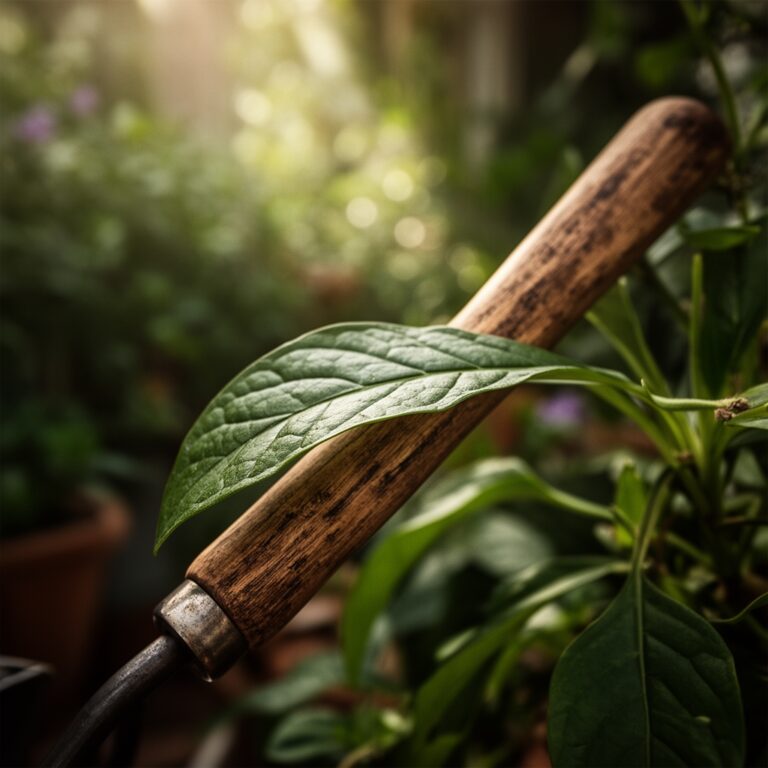
Use bypass pruners to remove spent flower spikes. Sterilize the blades with 70 percent isopropyl alcohol between every cut to prevent the transmission of Orchid Fleck Virus. If the plant becomes top-heavy, use a hori-hori knife to carefully create a pilot hole in the substrate for a bamboo stake, avoiding the central root mass. Monitor light levels; leaves should be a light olive green. Dark green leaves indicate insufficient light, while yellow or bleached leaves indicate photo-inhibition and heat stress.
The Yield:
For Dendrobiums, the "yield" is the floral display. Harvest spikes when the first two or three blossoms have fully opened. Cutting the spike too early prevents the remaining buds from reaching full expansion. Use a clean, angled cut at the base of the peduncle.
To maintain "day-one" freshness, plunge the cut ends into 100 degree Fahrenheit water for thirty minutes to clear any air embolisms in the xylem. Store the cut flowers in a cool environment, ideally 55 to 60 degrees Fahrenheit, away from ripening fruit. Ethylene gas produced by fruit will cause rapid senescence and flower drop.
FAQ:
How much light do Dendrobium orchids need?
Dendrobiums require bright, filtered light. Aim for 2,000 to 3,000 foot-candles. In home settings, an east or shaded south-facing window is ideal. Leaves should be light olive green; dark green indicates insufficient light for blooming.
How often should I water my Dendrobium?
Water approximately every 5 to 7 days. Allow the substrate to dry almost completely between sessions. Use a moisture meter to check the center of the pot. Increase frequency during summer growth and decrease significantly during winter rest.
What is the best fertilizer for Dendrobiums?
Use a balanced 20-20-20 water-soluble fertilizer at half-strength during the growing season. Switch to a high-phosphorus 10-30-20 formula in late summer to encourage bud initiation. Always flush the pot with plain water once a month.
Why are my orchid leaves turning yellow?
Yellowing can indicate Nitrogen deficiency or natural senescence of old pseudobulbs. However, if new growth yellows, it often suggests overwatering or root rot. Check the root system; healthy roots are firm and white with green tips.