10 Pro Ways How to Grow Hazelnut Shrubs
The snap of a fresh hazelnut shell between your fingers in early autumn signals months of careful soil preparation, precise planting angles, and calculated pruning cuts. Learning how to grow hazelnut shrubs transforms a backyard into a productive agroforestry system capable of yielding 10 to 25 pounds of nuts per mature shrub annually. These nitrogen-fixing members of the Betulaceae family thrive when growers match cultivar selection to local hardiness zones and manage soil pH within a narrow 5.5 to 6.5 range. The science of how to grow hazelnut shrubs hinges on understanding auxin distribution during early scaffold development and recognizing that commercial yields depend on cross-pollination between compatible varieties planted in calculated ratios.
Materials
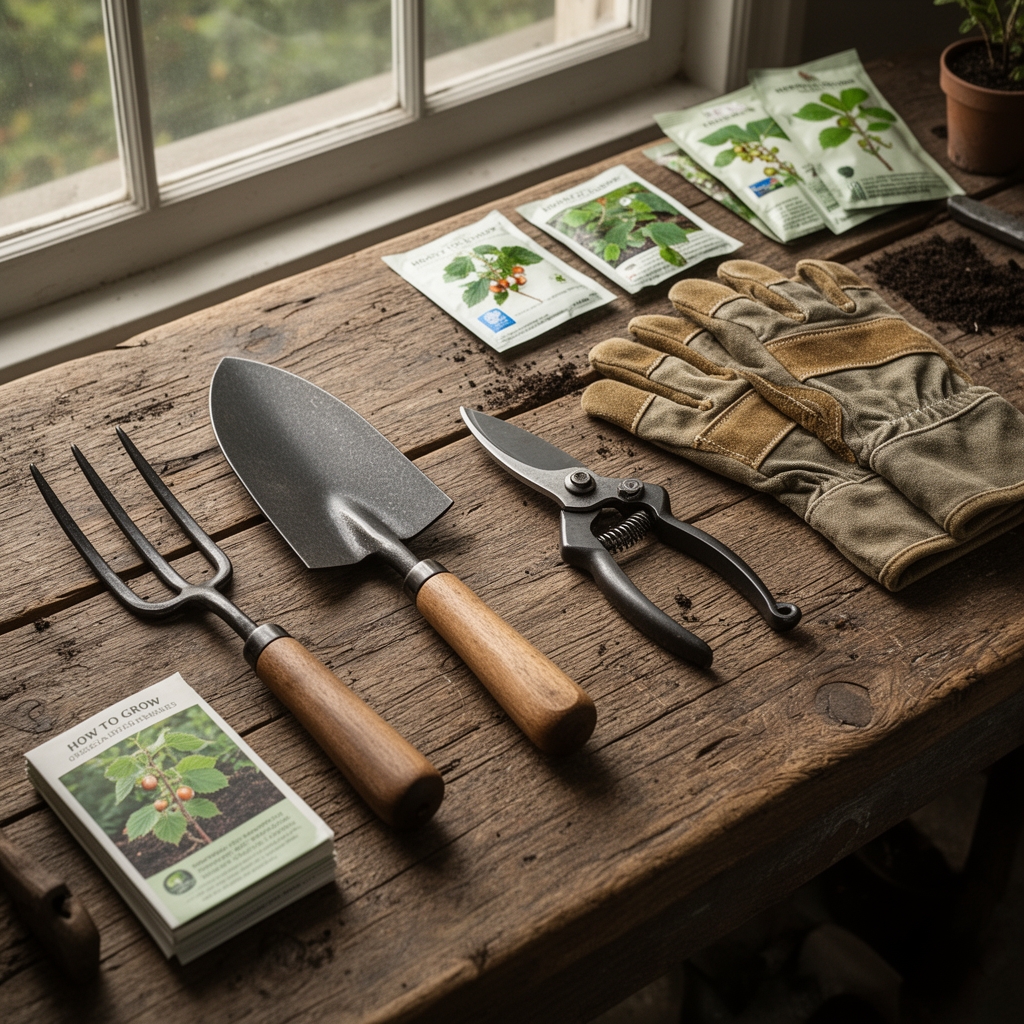
Begin with a soil test measuring pH, cation exchange capacity, and baseline nitrogen, phosphorus, and potassium levels. Amend acidic soils (below pH 5.5) with dolomitic limestone at 2 to 5 pounds per 100 square feet depending on current pH. Target soils should reach a cation exchange capacity of 10 to 15 meq/100g for optimal nutrient retention.
Select a balanced organic fertilizer rated 4-4-4 or 5-5-5 for establishment years. Incorporate 2 pounds per shrub into the planting zone before setting rootstock. Add mycorrhizal fungi inoculant (Glomus intraradices or G. mosseae) at 1 teaspoon per planting hole to colonize feeder roots and enhance phosphorus uptake by 40 to 60 percent.
Procure at least two cultivars with overlapping pollen shed periods. European varieties (Corylus avellana) such as 'Barcelona' and 'Ennis' perform in Zones 4 through 9, while American hybrids (C. americana x C. avellana) like 'Yamhill' tolerate colder winters to Zone 3. Purchase bare-root whips aged 1 to 2 years with root systems spanning 12 to 18 inches.
Mulch materials include aged wood chips (not cedar) applied 4 inches deep in a 4-foot diameter circle around each shrub. Drip irrigation tubing rated at 0.5 gallons per hour per emitter provides measured hydration.
Timing
Plant bare-root hazelnut shrubs during dormancy between late February and mid-April in Zones 5 through 7. Northern growers in Zones 3 and 4 should wait until soil temperatures reach 45°F at 6-inch depth, typically mid-April through early May. Southern regions in Zones 8 and 9 benefit from November through January planting windows when rainfall patterns reduce irrigation demands.
Avoid planting within three weeks of the last expected hard freeze below 28°F. Root establishment requires 4 to 6 weeks of frost-free conditions before new shoot growth begins. Potted container stock transplants successfully from April through June but demands vigilant irrigation during the first summer.
Phases

Sowing and Initial Planting
Dig planting holes 18 inches deep and 24 inches wide. Examine bare-root systems and prune any damaged or circling roots with sharp bypass pruners at 45-degree angles. Position the root crown 1 inch above final grade to account for settling. Backfill with native soil mixed 1:1 with aged compost.
Tamp firmly to eliminate air pockets. Water immediately with 3 gallons per shrub to settle soil particles around fine roots. Space shrubs 12 to 15 feet apart in rows separated by 18 to 20 feet for equipment access and full canopy development.
Pro-Tip: Soak bare roots in a slurry of mycorrhizal inoculant, kelp extract (diluted 1:10), and water for 20 minutes before planting. This treatment increases first-year survival rates from 85 to 95 percent.
Transplanting and First-Year Establishment
Apply 2 ounces of 4-4-4 organic fertilizer in a 24-inch ring around each shrub 30 days after planting. Avoid direct contact with stems. Monitor soil moisture at 4-inch depth weekly. Maintain consistent moisture equivalent to 1 inch of precipitation per week through drip irrigation.
Prune newly planted whips to 24 to 30 inches tall to balance top growth with root capacity. This heading cut stimulates lateral bud break along the main stem.
Pro-Tip: Install 4-foot tree shelters or hardware cloth cylinders around each shrub immediately after planting. This prevents deer browse and bark damage from rabbits, which can girdle young stems during winter.
Scaffold Development Years Two Through Four
Establish an open-center framework by selecting 4 to 6 vigorous shoots emerging at 45 to 60-degree angles from the main stem. Remove competing shoots and suckers monthly during the growing season. Each scaffold branch should originate 6 to 12 inches apart vertically.
Apply 4 to 8 ounces of 4-4-4 fertilizer in early March before bud break and again in mid-June. Increase amounts annually as canopy volume expands.
Pro-Tip: Use spreader bars or weighted clips to force scaffold branches into 50 to 60-degree angles from vertical. This distribution optimizes auxin flow and promotes earlier flowering, advancing first nut production from year 5 to year 4.
Troubleshooting
Symptom: Yellowing leaves with green veins appearing in early summer. Solution: Iron chlorosis caused by high soil pH above 7.0. Apply chelated iron (Fe-EDDHA) at 2 ounces per shrub dissolved in 2 gallons of water as a soil drench. Retest pH and apply elemental sulfur at 1 pound per 100 square feet to lower pH by 0.5 units.
Symptom: Blackened, shriveled nuts falling prematurely in July. Solution: Eastern filbert blight (Anisogramma anomala) fungal infection. Remove and burn infected branches 2 feet below visible cankers. Apply copper fungicide at 2 tablespoons per gallon every 14 days from bud break through June in endemic regions.
Symptom: Stems severed cleanly at 12 to 24 inches above ground during winter. Solution: Rabbit damage. Install 24-inch hardware cloth cylinders with 0.25-inch mesh buried 3 inches below grade. Check barriers monthly for gaps.
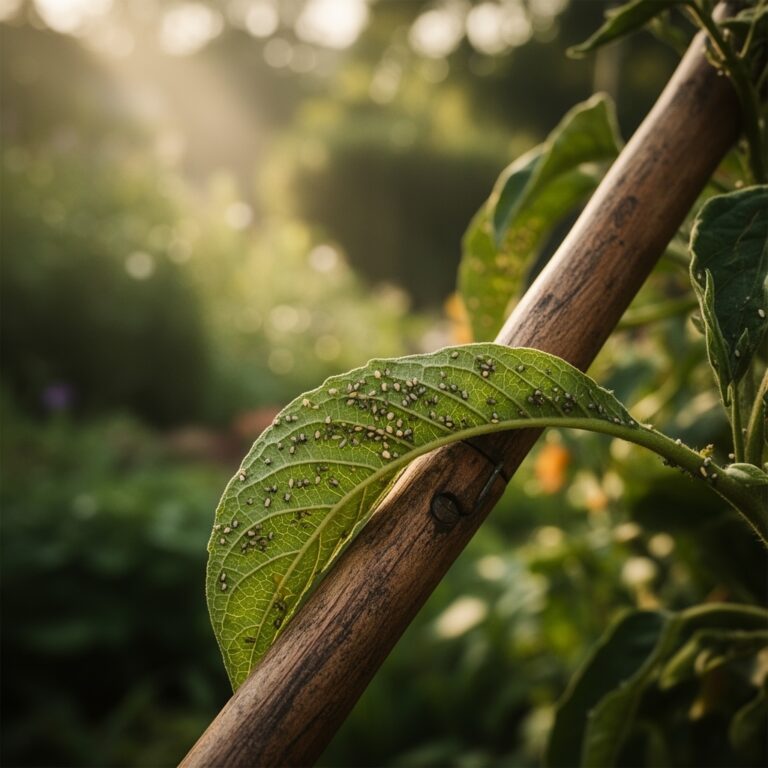
Symptom: Leaves with irregular holes and brown margins by mid-summer. Solution: Filbert weevil (Curculio nucum) feeding. Apply spinosad-based organic insecticide at labeled rates when adults emerge in May. Repeat applications every 10 days through petal fall.
Symptom: Poor nut fill with many blanks. Solution: Inadequate cross-pollination. Plant additional compatible pollinizer cultivars at 1:4 ratio (one pollinizer for every four primary cultivars) within 50 feet of production shrubs.
Maintenance
Deliver 1 inch of water weekly from June through September in the absence of rainfall. Drip irrigation applied over 4 to 6 hours provides deep moisture penetration to 18-inch root zones. Reduce watering to 0.5 inches every 10 days in October as dormancy approaches.
Refresh wood chip mulch annually to maintain 4-inch depth. Keep mulch 6 inches away from main stems to prevent crown rot. Apply 8 to 12 ounces of 4-4-4 fertilizer per mature shrub split between March and June applications.
Prune mature shrubs during dormancy between January and March. Remove dead, diseased, or crossing branches. Thin sucker growth from the base, retaining 6 to 9 main stems per shrub. Cut oldest stems (over 10 years) to ground level to stimulate renewal growth.
Harvest nuts when husks turn brown and nuts fall freely with light shaking in late September through October. Dry collected nuts at 95 to 100°F for 48 hours to reduce moisture content below 10 percent for storage.
FAQ
How long until hazelnut shrubs produce nuts?
Expect first crops in years 3 to 4 from grafted cultivars and years 5 to 6 from seedlings. Full production begins in year 7 to 8 with yields of 10 to 25 pounds per shrub annually.
Do I need more than one hazelnut shrub?
Yes. Hazelnuts are self-incompatible and require two different cultivars with synchronized pollen release for successful nut set. Plant at minimum two cultivars within 50 feet.
What soil pH do hazelnut shrubs prefer?
Optimal pH ranges from 5.5 to 6.5. Test soil annually and amend with sulfur or lime to maintain this range for maximum nutrient availability.
How do I protect hazelnuts from squirrels?
Harvest promptly when nuts drop naturally. Install metal flashing around trunk bases to prevent climbing. Deploy motion-activated deterrents near ripening clusters in September.
Can hazelnut shrubs tolerate drought?
Established shrubs tolerate brief drought but nut quality and size decline significantly without consistent moisture. Maintain 1 inch per week during kernel development from June through August for commercial-grade yields.