10 Basic Steps to Mealybug Removal
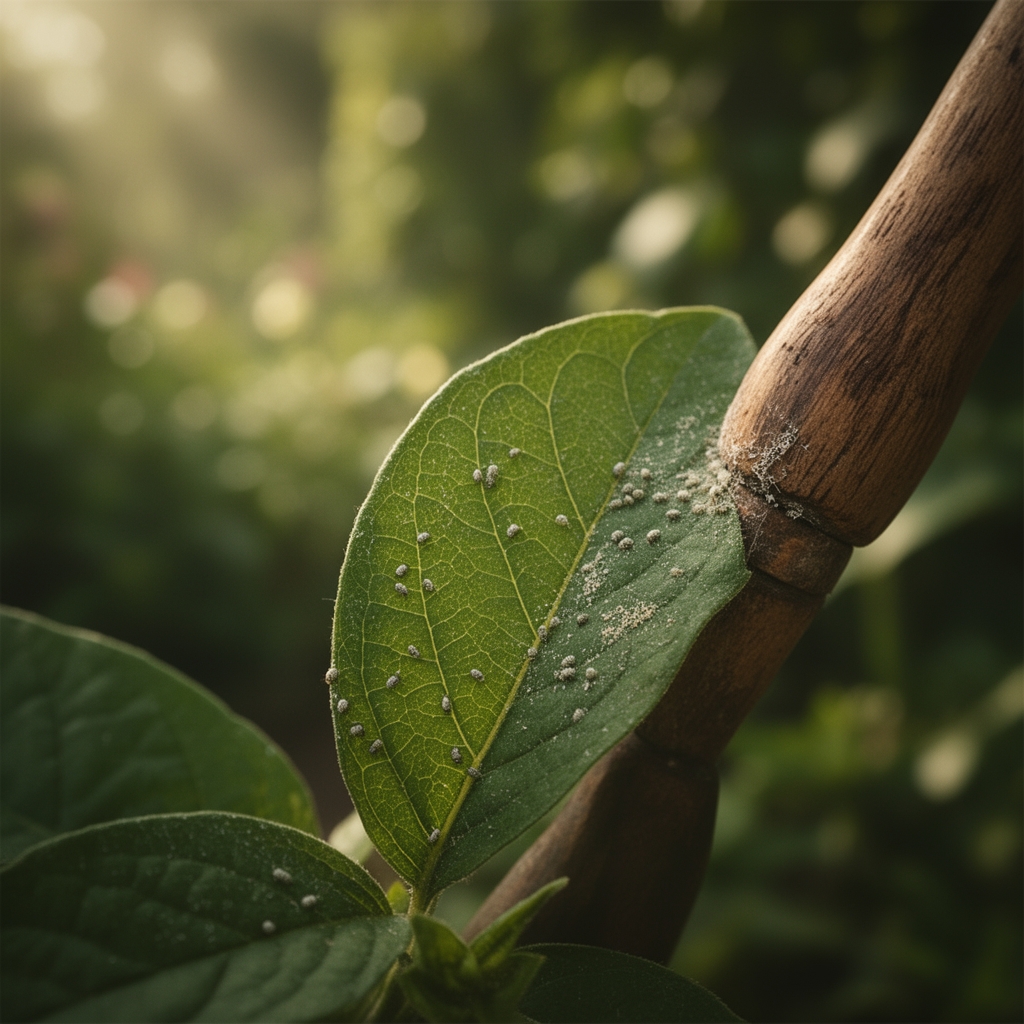
Mealybugs cluster in leaf axils and stem joints like powdery snow that never melts. Their waxy secretions protect them from casual sprays, and their rapid reproduction turns a single overlooked insect into a colony of hundreds within three weeks. Effective steps to mealybug removal require understanding their biology: these sap-feeders excrete honeydew that invites sooty mold, weakens auxin distribution, and creates entry points for secondary pathogens. The ten steps outlined here integrate mechanical removal, horticultural oils, and systemic approaches to eliminate infestations while preserving beneficial insect populations.
Materials
Assemble tools and amendments before beginning treatment. Isopropyl alcohol (70% concentration) serves as the primary contact agent, denaturing mealybug wax coatings on contact. Cotton swabs, soft brushes, and microfiber cloths facilitate manual removal without damaging plant tissue. Neem oil (azadirachtin content 0.5-2%) acts as both contact and systemic disruptor, interfering with molting hormones. Insecticidal soap (potassium salts of fatty acids at 1-2% concentration) offers a low-toxicity option for soft-bodied insects.
For soil-dwelling species, diatomaceous earth (food-grade) provides mechanical control by abrading waxy cuticles. Systemic imidacloprid granules (0-0-0 NPK, pesticide only) work through root uptake but require 8-12 weeks for full translocation. Horticultural oil (mineral or plant-based, 98% concentration before dilution) suffocates eggs and crawlers when applied at 2-4 tablespoons per gallon of water.
Organic growers may prefer spinosad spray (derived from Saccharopolyspora spinosa) at 4-8 fluid ounces per gallon. Mycorrhizal fungi inoculant (Glomus species) strengthens root systems, improving plant resilience during recovery. A 4-4-4 organic fertilizer restores nitrogen, phosphorus, and potassium without promoting excessive tender growth that attracts reinfestation.
Timing

Begin treatment when daytime temperatures range between 65-85°F. Cooler conditions slow mealybug metabolism, reducing treatment efficacy. Warmer temperatures above 90°F stress plants, making them more susceptible to treatment damage. In USDA Hardiness Zones 8-11, mealybugs remain active year-round, requiring vigilance during all seasons. Zones 3-7 see peak activity from late spring through early fall, with overwintering populations hiding in bark crevices and soil crowns.
Apply treatments in early morning or late evening to avoid leaf burn from oil-based products under direct sun. Schedule inspections every 7-10 days during active growing season, every 14-21 days during dormancy. Begin systemic treatments 6-8 weeks before anticipated peak populations to allow adequate uptake and translocation through xylem and phloem tissues.
Phases
Inspection and Identification
Examine leaf undersides, stem joints, and root crown zones with a 10x hand lens. White cottony masses indicate adult females. Tan or brown oval scales suggest earlier instar stages. Check for honeydew (sticky residue) and black sooty mold. Long-tailed mealybugs (Pseudococcus longispinus) appear most frequently on houseplants. Citrus mealybugs (Planococcus citri) prefer woody ornamentals.
Pro-Tip: Use a black cloth beneath plants when shaking stems. Crawlers and adults fall and become visible against dark backgrounds, revealing hidden infestations.
Mechanical Removal
Dip cotton swabs in 70% isopropyl alcohol and touch directly to each visible mealybug. The alcohol penetrates the waxy coating immediately. For heavy infestations, use a soft brush dipped in alcohol to scrub stems and leaf axils. Prune heavily infested stems at a 45-degree angle just above a node, disposing of cuttings in sealed plastic bags to prevent spread.
Rinse plants under a strong water stream to dislodge crawlers. Direct spray at 30-45 psi toward undersides and crevices. This mechanical action reduces populations by 40-60% before chemical intervention.
Pro-Tip: Submerge the entire root ball of containerized plants in 110°F water for 15 minutes to kill soil-dwelling mealybugs without damaging root tissues.

Chemical Application
Mix horticultural oil at 2 tablespoons per gallon of water with 1 teaspoon insecticidal soap as a spreader-sticker. Spray to runoff, ensuring complete coverage of all plant surfaces. Oil suffocates eggs and nymphs by blocking spiracles (respiratory pores). Reapply every 7-10 days for three consecutive cycles to target hatching generations.
For persistent infestations, alternate neem oil (2 tablespoons per gallon) on a 14-day rotation to prevent resistance development. Neem disrupts ecdysone (molting hormone) synthesis, preventing larvae from reaching reproductive maturity.
Pro-Tip: Add 0.5 teaspoon of cold-pressed soap flakes per gallon to neem mixtures. This increases emulsification and improves adherence to waxy cuticles by reducing surface tension.
Systemic Treatment
Apply imidacloprid granules to soil surface at 1 teaspoon per 6-inch pot diameter. Water thoroughly to initiate dissolution and root uptake. The compound moves through xylem tissue, concentrating in new growth where mealybugs feed preferentially. Effectiveness begins at 21 days, peaks at 60 days, and persists for 90-120 days.
Monitor cation exchange capacity of soil. Clay-based media (CEC >20 meq/100g) bind imidacloprid more tightly, requiring higher application rates. Sandy soils (CEC <10 meq/100g) allow faster leaching and reduced persistence.
Pro-Tip: Combine systemic application with foliar sprays during the first 21 days. This dual approach eliminates existing populations while preventing recolonization as the systemic becomes active.
Biological Control
Release Cryptolaemus montrouzieri (mealybug destroyer beetles) at a ratio of 5 beetles per heavily infested plant. Adult beetles consume 200-250 mealybugs over their 50-day lifespan. Larvae (which resemble mealybugs but larger) eat even more voraciously. Maintain temperatures above 70°F for optimal predator activity.
Green lacewing larvae (Chrysoperla species) consume 200+ mealybugs during their 2-3 week larval stage. Release at 10 larvae per plant for moderate infestations. Parasitoid wasps (Leptomastix dactylopii) lay eggs inside mealybugs, killing hosts as larvae develop internally.
Pro-Tip: Avoid broad-spectrum insecticides for 30 days before and after releasing beneficial insects. Residual chemicals eliminate predators, negating biological control efforts.
Troubleshooting
Symptom: Yellowing leaves with stunted growth despite mealybug removal.
Solution: Mealybug feeding injects toxins that disrupt nitrogen uptake. Apply foliar kelp spray (1:500 dilution) weekly for four weeks to restore auxin balance and chlorophyll production.
Symptom: Black sooty mold persists after mealybug elimination.
Solution: The fungus feeds on residual honeydew, not plant tissue. Wipe leaves with a solution of 1 tablespoon baking soda per gallon of water. The alkaline environment (pH 8.5) inhibits fungal growth while honeydew decomposes naturally over 2-3 weeks.
Symptom: Mealybugs return within 14 days of treatment.
Solution: Eggs protected by waxy egg sacs survive initial treatments. Maintain spray intervals at 7-10 days for three full cycles to target successive generations. Inspect neighboring plants within 6 feet, as crawlers migrate up to 40 feet.
Symptom: Brown leaf margins after oil spray application.
Solution: Phytotoxicity results from application during temperature extremes or on water-stressed plants. Water plants thoroughly 24 hours before oil application. Never apply when temperatures exceed 85°F or fall below 50°F.
Symptom: Root mealybugs persist despite soil drenches.
Solution: These species colonize depths beyond drench penetration. Unpot plants, remove all soil, rinse roots under 110°F water for 15 minutes, and repot in fresh, sterile medium. Apply systemic granules to new soil immediately.
Maintenance
Water plants to maintain soil moisture at 40-60% field capacity. Overwatering stresses roots and creates conditions favoring mealybug establishment. Apply 1 inch of water weekly for outdoor plants, adjusting for rainfall. Container plants require watering when the top 2 inches of soil feel dry.
Feed established plants every 6-8 weeks with balanced organic fertilizer (4-4-4 or 5-5-5 NPK ratio). Excess nitrogen produces succulent growth with thin cell walls, attracting mealybugs. Maintain phosphorus levels to support cell wall lignification and natural pest resistance.
Quarantine new plants for 21 days before introducing them to collections. Inspect thoroughly every 3-4 days during quarantine. Isolate infested plants immediately, maintaining at least 6 feet of separation from healthy specimens to prevent crawler migration.
Prune plants annually to improve air circulation. Dense canopies create humid microclimates preferred by mealybugs. Remove crossing branches and thin interior growth to maintain 30-40% light penetration through the canopy.
FAQ
How long does complete mealybug elimination take?
Expect 4-6 weeks with consistent treatment every 7-10 days. Egg-to-adult cycles complete in 7-14 days depending on temperature. Three treatment cycles target overlapping generations, ensuring no survivors reach reproductive maturity.
Can mealybugs spread between plants without direct contact?
First-instar crawlers travel up to 40 feet by wind dispersal or hitchhiking on tools, clothing, and pets. Adult females remain stationary once feeding begins. Males (rarely seen) fly short distances but do not feed or cause damage.
Are mealybugs harmful to humans?
No direct harm occurs from contact. However, honeydew attracts wasps and ants. Some individuals experience minor skin irritation from contact with waxy secretions. Always wash hands after handling infested plants.
Do systemic insecticides harm beneficial soil organisms?
Imidacloprid shows minimal impact on mycorrhizal fungi and nitrogen-fixing bacteria at labeled rates. However, it persists in soil for 90-120 days and may affect earthworms at concentrations above recommended levels. Use only when other methods prove insufficient.
Can mealybugs develop resistance to neem oil?
Neem contains multiple active compounds (azadirachtin, salannin, nimbin) that disrupt various biological pathways simultaneously. This multi-modal action makes resistance development unlikely. Rotate with horticultural oil and insecticidal soap to further reduce resistance risk while preserving effectiveness across all control methods.